
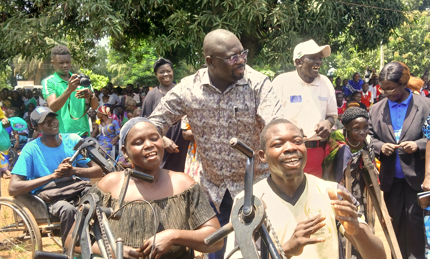
Western Equatoria State: Partners Abandon SS Women with Disabilities After Pregnancy
Summary
- Five women with disabilities were allegedly impregnated and abandoned by their partners in Western Equatoria State.
- One case involves an underage girl, raising concerns over child protection from sexual abuse and exploitation.
- People living with disabilities face significant challenges accessing essential services, including healthcare and education.
- The government has urged families, community leaders, and institutions to protect people with disabilities and ensure equal treatment.
Abandonment of Pregnant Women with Disabilities in Western Equatoria State
This incident is not an isolated case; it is part of a broader pattern of neglect and discrimination faced by people with disabilities in rural communities.
Reports have surfaced of five women with disabilities who were allegedly impregnated and later abandoned by their partners in Western Equatoria State. The cases highlight the vulnerability of people with disabilities, particularly women, to exploitation and abuse. According to officials, one of the cases involves an underage girl, raising concerns over the protection of children from sexual abuse and exploitation. This incident is not an isolated case; it is part of a broader pattern of neglect and discrimination faced by people with disabilities in rural communities.
Legal and Regulatory Context
The Western Equatoria State Ministry of Gender, Child and Social Welfare has confirmed receiving reports of the alleged abandonment. The ministry's Director General, John Zebruna Gasi, emphasized that people living with disabilities continue to face significant challenges in accessing essential services, including healthcare and education. He urged families, community leaders, and government institutions to protect people with disabilities and ensure they receive equal treatment. However, the lack of resources at the ministry has hindered their ability to provide adequate support to those affected.
Why It Matters
The abandonment of pregnant women with disabilities is a stark reminder of the need for stronger protection and support mechanisms in rural communities. As Lucy Luka Bunde, a person living with visual impairment, pointed out, people with disabilities struggle to provide basic needs for their families due to limited access to resources. The government's failure to include people with disabilities in development programs and provide meaningful assistance has exacerbated the problem. It is imperative that lawyers and compliance officers advise clients on the importance of including people with disabilities in government initiatives and providing support to prevent exploitation and abuse.
Practical Implications
Lawyers and compliance officers should be aware that this development highlights the need for stronger protection and support mechanisms for women with disabilities, particularly in rural communities where access to essential services is limited. They may want to advise clients on the importance of including people with disabilities in government development programs and providing meaningful assistance to prevent exploitation and abuse.
Source
How does this affect you?
Get an AI analysis of this article grounded in your jurisdictions, practice areas, and any policy documents you've uploaded to Wansom.
Wansom is AI and can make mistakes.