
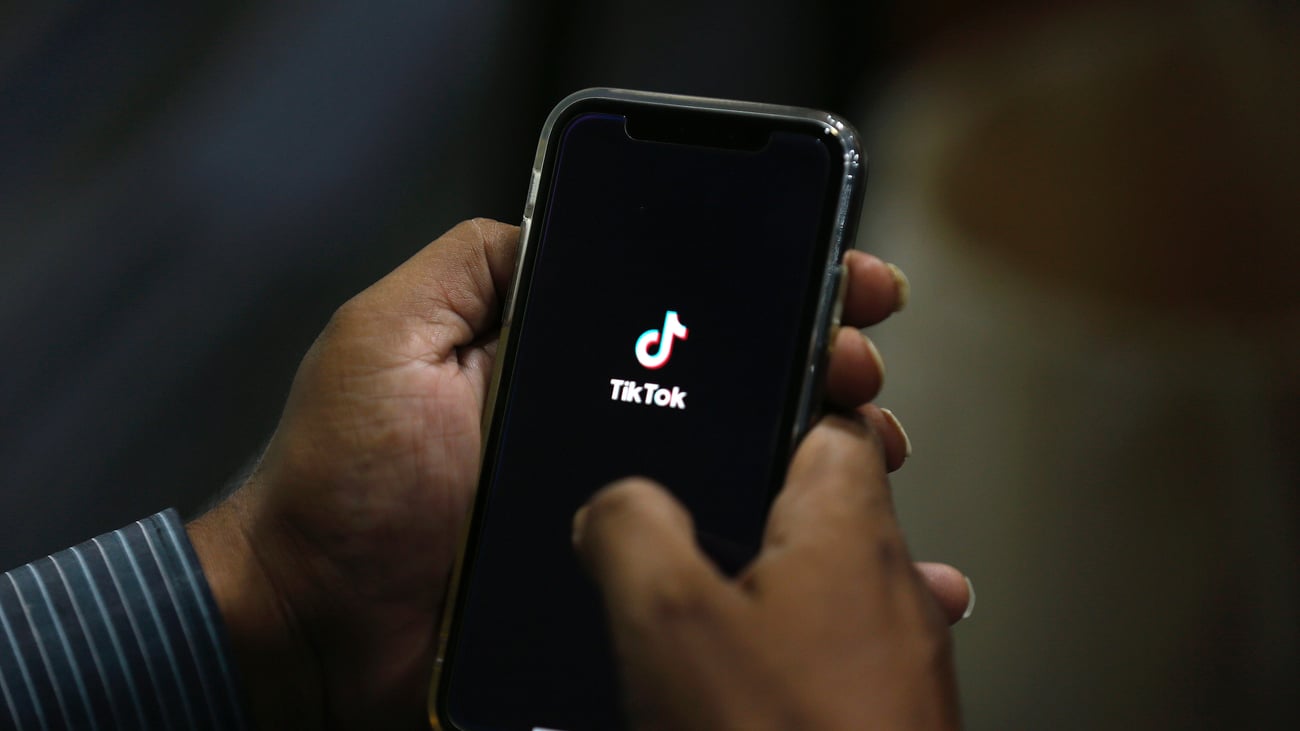
TikTok Gauth Class Action: Google Data Privacy Lawsuit Alleges Secret Data Transmission
Summary
- A class action lawsuit has been filed against TikTok USDS Joint Venture, LLC, alleging its Gauth AI homework helper secretly sent user data to Google for advertising.
- Plaintiff Edward Lominchar claims Gauth's embedded Google Analytics code transmitted the full text of student queries without consent.
- The lawsuit asserts that sensitive educational information, including academic difficulties and personal details, was shared, allowing Google to build comprehensive user profiles for advertisers.
- Lominchar argues users were not informed or consented to this commercial use, and he would not have used Gauth if aware of the data sharing.
- The complaint alleges violations of the Electronic Communications Privacy Act (ECPA) and the California Invasion of Privacy Act (CIPA), alongside claims of intrusion upon seclusion and invasion of privacy.
Class Action Targets TikTok's AI Homework Helper
The complaint highlights that users never anticipated, agreed to, or were informed that their sensitive educational information would be utilized by Google for independent commercial purposes, which are entirely separate from the AI homework assistance provided by the platform.
A new class action lawsuit has been filed against TikTok USDS Joint Venture, LLC, the entity responsible for TikTok's operations in the United States, alleging that its artificial intelligence-powered homework assistance platform, Gauth, secretly transmitted users' private data and search queries to Google for commercial advertising purposes. The complaint, filed in the Central District of California, names Edward Lominchar, a resident of Miami, Florida, as the lead plaintiff, representing a class of users who claim their sensitive educational information was shared without their knowledge or consent.
Gauth, previously known as Gauthmath, offers AI-driven answers to student questions across various subjects. The platform is accessible to students of all ages, requiring no payment or age verification, and allows users to submit questions via text or upload through a browser or dedicated app. While a free version provides limited access and queries, a premium subscription offers unlimited answers, faster responses, a more advanced AI model, higher accuracy, credits for an assignment solver, and access to premium AI courses.
Lominchar's personal experience with Gauth began around December 2024, when he started using the service as a minor in high school without creating an account. He later registered and continued to submit questions until approximately January 2026. Crucially, Lominchar asserts that he was never presented with Gauth's privacy policy before his initial use and reasonably expected that the content of his questions would remain confidential between himself and the platform. The lawsuit was filed on a Monday, comprising a 44-page complaint detailing these allegations.
Sensitive Data Allegedly Shared with Google
The core of the TikTok Gauth class action Google data privacy dispute centers on the alleged transmission of highly sensitive user data. The lawsuit claims that Gauth embeds Google Analytics code, which is responsible for sending the complete text of users' search questions directly to Google. This data sharing, according to the complaint, occurred without any user consent, violating their privacy expectations. The plaintiff argues that individuals utilizing the platform had no expectation, nor were they informed or provided consent, for their sensitive academic details to be leveraged by Google for independent commercial purposes, which are entirely separate from the AI homework assistance provided by the platform.
Lominchar contends that the data Gauth allegedly transmits to Google can paint an "extraordinarily sensitive portrait" of each user. This includes specific subjects and courses being studied, academic proficiency levels, areas of academic difficulty, and even personal information such as names, schools, and teachers. Furthermore, the complaint highlights usage patterns, detailing when and how frequently students engage with the platform. The lawsuit posits that Google can then combine this activity data from Gauth users with information gathered from its own extensive suite of services, including Google Search, Gmail, YouTube, and Google Workspace for Education, to construct comprehensive user profiles that are subsequently sold to third-party advertisers.
The potential ramifications of such disclosures are significant, according to the plaintiff. The specific subjects a student struggles with, questions they cannot answer, personal essays, assignment content, and their reliance on external help all carry substantial educational, reputational, and developmental implications. Lominchar states that he would not have used Gauth if he had known about the Google Analytics data transmission for advertising purposes, emphasizing the potential for substantial harm if this information were to be revealed to school administrators, advertisers, data brokers, or any other unrelated third party.
Legal and Regulatory Context
The TikTok USDS Gauth data sharing lawsuit brings forth several critical legal claims, asserting violations of both federal and state privacy statutes. Specifically, the complaint alleges breaches of the Electronic Communications Privacy Act (ECPA) and the California Invasion of Privacy Act (CIPA). These acts are designed to protect the confidentiality of electronic communications and prevent unauthorized interception or disclosure of private information. The lawsuit also includes common law claims of intrusion upon seclusion and invasion of privacy, underscoring the plaintiff's assertion that Gauth's actions constituted an unwarranted and offensive intrusion into users' private affairs.
This case highlights the growing scrutiny over student AI homework privacy and the data sharing practices of educational technology platforms, particularly when minors are involved. The legal framework surrounding data collection and commercial use, especially without explicit consent, is a complex area, and the lawsuit underscores the importance of transparency in privacy policies. Companies deploying AI-powered educational tools or handling sensitive user data, especially from minors, must meticulously review their data sharing practices and privacy policies to ensure explicit consent and compliance with acts like ECPA and CIPA, or face significant class action litigation risk.
Practical Implications
Companies deploying AI-powered educational tools or handling sensitive user data, especially from minors, must meticulously review their data sharing practices and privacy policies to ensure explicit consent and compliance with acts like ECPA and CIPA, or face significant class action litigation risk. Compliance officers should audit third-party analytics integrations for data leakage.
Source
How does this affect you?
Get an AI analysis of this article grounded in your jurisdictions, practice areas, and any policy documents you've uploaded to Wansom.
Finish Reading the Full Story and the Expert Analysis.
Wansom is AI and can make mistakes.