
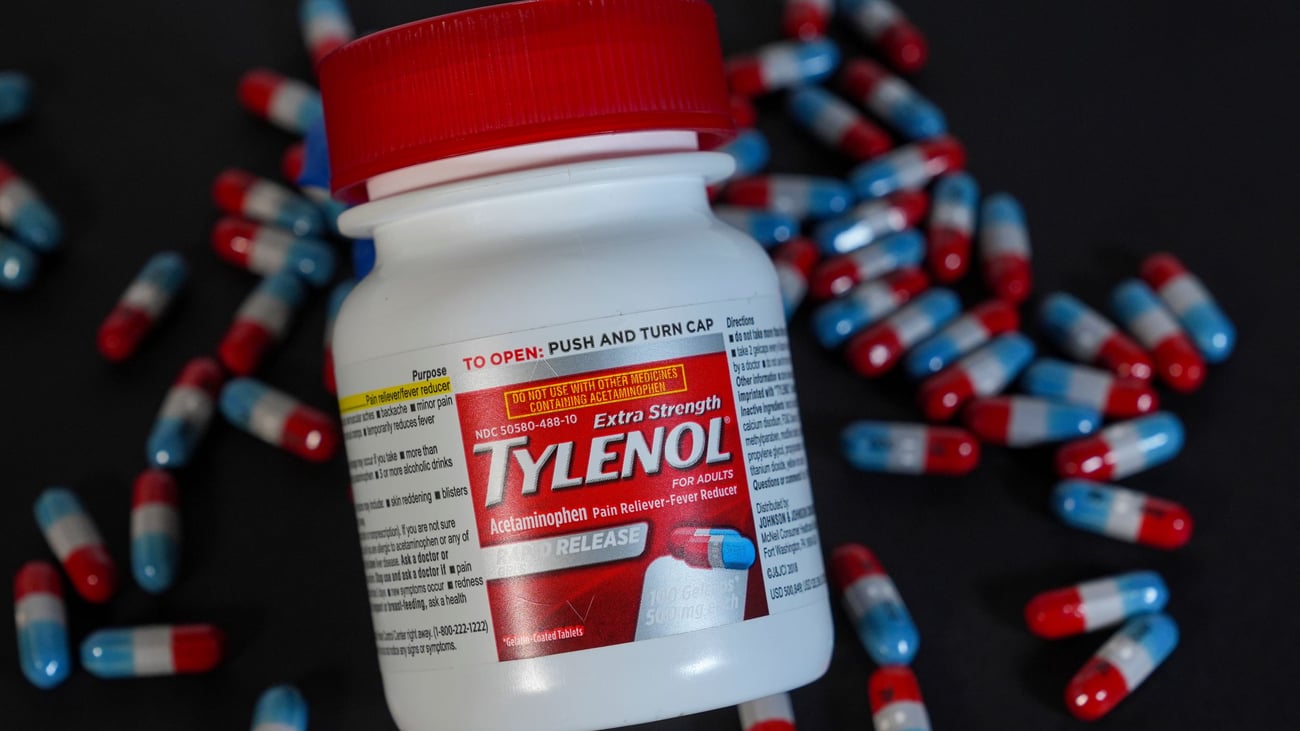
Texas Fifth Circuit: Hears Tylenol Removal Fees Appeal
Summary
- Texas is seeking legal fees from Johnson & Johnson after a state consumer protection lawsuit concerning Tylenol and autism was removed to federal court and then remanded.
- The core dispute before the Fifth Circuit is whether the district court applied the correct "objective reasonableness" standard from *Martin v. Franklin Capital* when denying Texas's request for removal fees.
- Texas argues the removal was not objectively reasonable, citing the state-law basis of its claims and the high rate of Grable doctrine remands without fee awards.
- Johnson & Johnson contends its removal was objectively reasonable, pointing to judicial interpretations of the Grable standard in similar cases involving FDA labeling.
- The Fifth Circuit's ruling will clarify the financial risks associated with federal court removal attempts and the criteria for awarding fees post-remand, particularly in cases involving the Grable jurisdiction standard.
Texas Sues Over Tylenol, Leading to Federal Removal
The Fifth Circuit's decision will clarify the financial risks associated with federal court removal attempts and the criteria for awarding fees post-remand, particularly in cases involving the Grable jurisdiction standard.
The State of Texas initiated legal action against Johnson & Johnson and its spinoff, Kenvue, in October, filing a lawsuit in Panola County. The state's claims centered on alleged violations of its consumer protection law, asserting that the companies failed to adequately warn consumers about a potential link between Tylenol use during pregnancy or early childhood and conditions such as autism and ADHD. Additionally, Texas contended that the 2023 corporate split that created Kenvue constituted a fraudulent transfer, designed to insulate the parent company from liabilities.
In conjunction with the lawsuit, Texas sought a temporary restraining order that would have mandated new warning labels on Tylenol products sold within the state and blocked a significant $400 million dividend. However, just thirteen hours before a scheduled November 7 hearing on the matter, the companies moved to remove the case to federal court in Tyler. This maneuver automatically paused the state court proceedings.
The companies justified their removal by arguing that the lawsuit presented crucial federal questions related to FDA-approved labeling, falling under the narrow Grable doctrine, which grants federal courts jurisdiction in certain state-law claims. They also expressed a desire to transfer the case to a multidistrict litigation (MDL) already handling private Tylenol-autism claims in New York. U.S. District Judge J. Campbell Barker promptly convened a rare Saturday hearing the following day. While Judge Barker ultimately remanded the case back to state court, he denied Texas's request for legal fees and a motion for sanctions, characterizing the removal as "zealous advocacy" but acknowledging the Grable question as "at least debatable."
Fifth Circuit Considers Removal Fees Appeal
Texas subsequently appealed the denial of fees to the Fifth Circuit, arguing that the district court applied an incorrect legal standard. Representing Texas, Ashley Keller informed U.S. Circuit Judges James C. Ho, Stephen A. Higginson, and Carl E. Stewart that the Supreme Court's precedent in *Martin v. Franklin Capital* mandates an "objective reasonableness" inquiry for awarding fees post-remand, explicitly rejecting a frivolousness standard. Keller emphasized that applying the wrong standard constitutes an abuse of discretion, pointing to a pattern of 16 Grable-based remands in the circuit over the past year, all of which were granted, yet fees were almost never awarded.
Keller elaborated on Texas's position regarding the Grable doctrine, asserting that the state's petition does not "necessarily raise" a federal issue. He argued that the duty to warn originates from state law, and any citations to FDA regulations within the petition serve as factual context rather than legal elements of the Deceptive Trade Practices Act claim. The companies, for their part, maintained through attorney Geoffrey Wyatt that their removal was objectively reasonable. Wyatt cited lower court rulings where Grable jurisdiction was established in similar state consumer protection or product liability cases that involved alleged violations of FDA labeling and marketing rules. He contended that paragraphs referencing FDA pregnancy categories in the Texas complaint create a distinct legal theory not solely resolvable under state law, further noting Justice Clarence Thomas's concurrence in *Grable* itself, which described the doctrine as "anything but clear." Notably, the companies did not introduce additional Supreme Court precedent until the appeal stage, and Keller offered an apology to Judge Higginson regarding the tone of Texas's reply brief.
Implications for Federal Court Removal Fees
The Fifth Circuit's impending decision holds significant weight for the landscape of federal court removal fees, particularly concerning the application of the Grable jurisdiction standard. This ruling will provide crucial clarity on the financial risks associated with attempts to remove cases to federal court and will define the circumstances under which plaintiffs, such as the State of Texas, can recover costs for improper removals. The outcome will directly impact how the "objective reasonableness" standard, as established in *Martin v. Franklin Capital*, is interpreted and applied in the context of federal court remand fees.
Lawyers involved in litigation, especially those considering or opposing federal court removal, should closely monitor the Fifth Circuit's ruling on the 'objective reasonableness' standard for awarding fees post-remand. This decision will clarify the financial risks associated with federal court removal attempts and the ability to recover costs for improper removals, particularly in cases involving complex federal question arguments like the Grable doctrine. The judgment will influence strategic decisions regarding the viability of federal court removal, especially in state consumer protection lawsuits that touch upon federal regulatory standards, such as those related to FDA labeling, and will set a precedent for Texas Fifth Circuit Tylenol removal fees.
Practical Implications
Lawyers involved in litigation, especially those considering or opposing federal court removal, should closely monitor the Fifth Circuit's ruling on the 'objective reasonableness' standard for awarding fees post-remand. This decision will clarify the financial risks associated with removal attempts and the ability to recover costs for improper removals, particularly in cases involving complex federal question arguments like the Grable doctrine.
Source
How does this affect you?
Get an AI analysis of this article grounded in your jurisdictions, practice areas, and any policy documents you've uploaded to Wansom.
Finish Reading the Full Story and the Expert Analysis.
Wansom is AI and can make mistakes.