
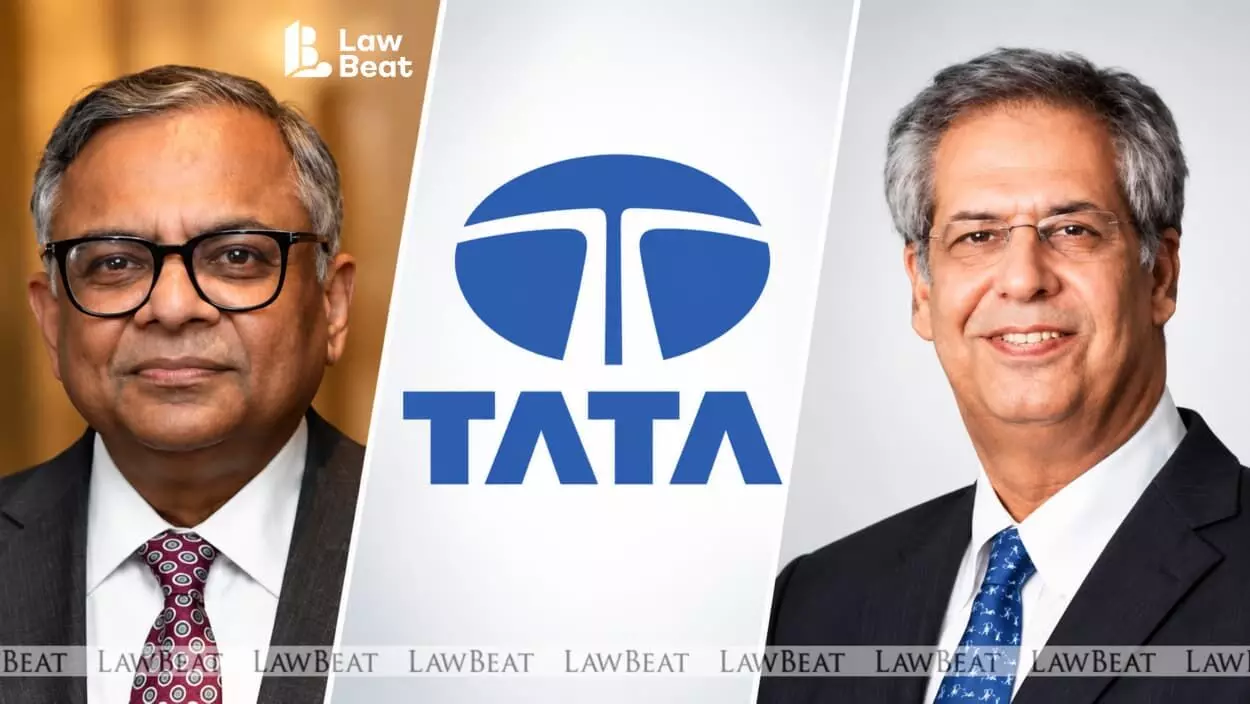
Tata Sons Caveats N Chandrasekaran Reappointment: Files in SC, Bombay HC
Summary
- Tata Sons has filed caveats in the Supreme Court and Bombay High Court to ensure it is heard before any orders are issued regarding N Chandrasekaran's reappointment.
- The move anticipates a challenge from Sir Dorabji Tata Trust and RD Tata Trust to the Bombay High Court's refusal to stay the reappointment.
- The trusts argue Chandrasekaran's reappointment is invalid, citing Article 121 of Tata Sons' Articles of Association, which requires an affirmative vote from trust-nominated directors.
- The dispute centers on the use of a casting vote by the chairman to approve the reappointment despite a split vote among the trust's nominees.
- The legal battle highlights significant corporate governance issues and the interpretation of shareholder rights in India.
Strategic Legal Maneuver
The trusts maintain that the affirmative vote requirement under Article 121 Tata Sons dispute cannot be circumvented or overridden by a casting vote when the Trust-nominated directors are not in agreement.
Tata Sons has proactively filed caveats with both the Supreme Court of India and the Bombay High Court, signaling its anticipation of further legal challenges regarding the reappointment of N Chandrasekaran as its executive chairman. This strategic move, which saw Tata Sons caveats N Chandrasekaran reappointment, aims to ensure the company is afforded a hearing before any judicial body issues orders in response to potential appeals from the Sir Dorabji Tata Trust and RD Tata Trust. The trusts are expected to contest the Bombay High Court's recent decision not to halt Chandrasekaran's continued tenure.
These caveats were lodged on November 27, shortly after a single-judge bench of Justice Abhay Ahuja in the Bombay High Court declined to issue an injunction. The court had refused to postpone Tata Sons' board meeting scheduled for November 30 or to prevent the company from proceeding with its planned agenda. While the court did not grant interim relief, it stipulated that any resolutions passed during the meeting would remain subject to the ultimate outcome of the ongoing legal proceedings. The next hearing for this matter is set for January 21, 2027, indicating a protracted legal battle.
The Heart of the Dispute: Article 121
The underlying contention stems from the Tata Trusts' challenge to a board resolution passed on September 17, which sanctioned Chandrasekaran's reappointment for a third five-year term as executive chairman. The trusts, which collectively control a substantial 66% stake in Tata Sons, argue that this reappointment is invalid. Central to their argument is the interpretation of Article 121 of Tata Sons' Articles of Association, which mandates an affirmative vote from a majority of the directors nominated by the Tata Trusts for specific critical decisions.
The trusts assert that the reappointment resolution was improperly carried through the casting vote of the September 17 board meeting chairman, Harish Manwani. This occurred despite a clear disagreement between the two directors nominated by the trusts: Noel Tata voted against the reappointment, while Venu Srinivasan supported it. The resulting split was treated as a tie, enabling Manwani to exercise his casting vote in favor of the resolution. The trusts maintain that the affirmative vote requirement under Article 121 Tata Sons dispute cannot be circumvented or overridden by a casting vote when the Trust-nominated directors are not in agreement.
Legal Arguments and Corporate Governance
During the Bombay High Court proceedings, senior advocate Abhishek Manu Singhvi, representing the trusts, emphasized that the Articles of Association were specifically crafted to safeguard the rights and significant influence of the trusts within Tata Sons. Conversely, senior advocate Harish Salve, appearing for Tata Sons, countered that the trusts should not be permitted to impede the board's operational capacity by leveraging internal disagreements among their own nominee directors. This highlights a critical aspect of corporate governance director reappointment India, particularly in entities with complex ownership structures involving trusts.
The trusts have sought judicial intervention to restrain Tata Sons and its directors from implementing the reappointment resolution. Furthermore, they aim to prevent the company from passing any future board resolutions on matters that require an affirmative vote from a majority of Trust-nominated directors without first securing the stipulated approval. The filing of caveats, a mechanism under Section 148A CPC caveat filing, ensures that Tata Sons will be heard before any adverse orders are issued, underscoring the company's preparedness for an escalated legal confrontation.
Broader Implications and Next Steps
The intensifying dispute precedes the November 30 board meeting, which was anticipated to address several significant corporate matters, including the potential listing of Tata Sons. The company had previously initiated the process for Chandrasekaran's reappointment, with his new term slated to commence in February 2027. This ongoing legal battle underscores the complexities inherent in corporate governance, especially when foundational documents like Articles of Association are subject to differing interpretations among key stakeholders.
Beyond the high court, the Sir Dorabji Tata Trust has also engaged with the Charity Commissioner, filing additional caveats. This action followed communications from Venu Srinivasan and Vijay Singh to the authority concerning the legal proceedings initiated by the trusts. The multi-pronged legal approach by the trusts and the defensive measures taken by Tata Sons illustrate the high stakes involved in this corporate governance challenge, which could set precedents for how director appointments and shareholder rights are interpreted in India's corporate landscape.
Practical Implications
This case highlights the critical importance of meticulously drafted Articles of Association, particularly regarding director appointment procedures and voting rights for significant shareholders like trusts. Lawyers advising corporate clients, especially those with complex ownership structures or trust holdings, should review their AoA to ensure clarity on affirmative voting clauses and dispute resolution mechanisms to prevent similar challenges. It also demonstrates the strategic use of caveats in anticipating and pre-empting legal challenges.
Source
How does this affect you?
Get an AI analysis of this article grounded in your jurisdictions, practice areas, and any policy documents you've uploaded to Wansom.
Finish Reading the Full Story and the Expert Analysis.
Get the latest legal & regulatory intelligence in India
Wansom is AI and can make mistakes.