
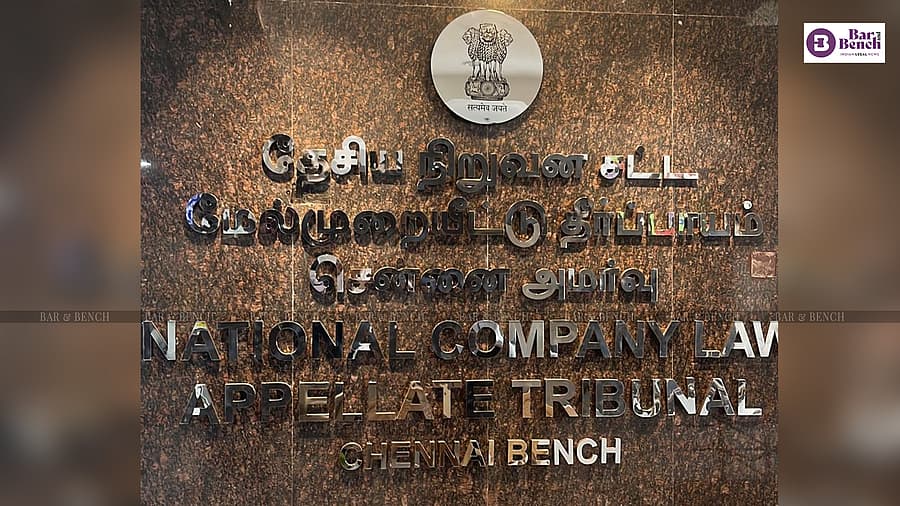
NCLAT Upholds IPCL Insolvency Power Ring-Fencing: Protects Core Operations
Summary
- The NCLAT in Chennai allowed insolvency proceedings against India Power Corporation Limited (IPCL) to continue, initiated by SBI.
- The tribunal ordered the ring-fencing of IPCL’s core power distribution business from creditor claims.
- The dispute arose from a corporate guarantee IPCL provided in 2016 for Meenakshi Energy Limited (MEL), which later defaulted on loans.
- Suspended IPCL directors appealed an NCLT Hyderabad order from May 2026, arguing the resolution professional wrongly took over the entire company.
- The NCLAT ruled the guarantee is enforceable only against IPCL’s separate commercial ventures, noting the distinct spheres of the Electricity Act and the Insolvency Code.
The NCLAT's Decision
This NCLAT decision sets a significant precedent for companies operating in regulated sectors, particularly those providing essential services.
The National Company Law Appellate Tribunal (NCLAT) in Chennai recently permitted the continuation of insolvency proceedings against India Power Corporation Limited (IPCL), a decision stemming from a petition filed by the State Bank of India (SBI). Crucially, the tribunal's ruling included a directive to ring-fence IPCL’s primary power distribution operations, thereby shielding this core business from the claims of creditors. This significant judgment, rendered in the case of Debashis Bose & Anr. v. State Bank of India & Anr., delineates a clear boundary for insolvency actions involving companies with essential public services.
The dispute originated from a corporate guarantee that IPCL had extended in 2016 to secure loans for Meenakshi Energy Limited (MEL). Following MEL's subsequent default on these financial obligations, SBI initiated the Corporate Insolvency Resolution Process (CIRP) against IPCL. This mechanism, designed for bankruptcy resolution, involves an independent professional assuming control of a company to manage its debt restructuring. However, the suspended directors of IPCL, Debashis Bose and Pragya Jhunjhunwala, subsequently challenged an insolvency order issued by the National Company Law Tribunal (NCLT) in Hyderabad in May 2026. Their appeal contended that the appointed resolution professional had improperly taken over the entirety of IPCL’s assets, rather than confining the scope of action to the company's non-core ventures.
Legal Context and NCLAT's Rationale
The NCLAT bench, comprising Judicial Member Justice N Seshasayee and Technical Member Jatindranath Swain, carefully distinguished between IPCL’s regulated power supply activities and its other commercial enterprises. The tribunal determined that the corporate guarantee provided by IPCL was enforceable exclusively against the company’s separate business interests and the income generated from them, effectively isolating the power distribution segment. This distinction was central to the NCLAT's decision to uphold IPCL insolvency power ring-fencing.
In its reasoning, the NCLAT highlighted the distinct operational spheres of the Electricity Act and the Insolvency and Bankruptcy Code (referred to as "the Code"). The tribunal observed that these two legislative frameworks operate in different domains, implying that the provisions of the Code should not unduly interfere with the essential public service mandates governed by the Electricity Act. This interpretation provides a form of Electricity Act insolvency protection, ensuring that critical infrastructure and services are not jeopardized during corporate financial distress. The NCLAT Chennai insolvency ruling thus offers a nuanced approach to balancing creditor rights with public interest.
Significance for Regulated Industries
This NCLAT decision sets a significant precedent for companies operating in regulated sectors, particularly those providing essential services. By allowing the India Power Corporation Limited CIRP to proceed while simultaneously protecting its core power distribution business, the tribunal has established a framework for safeguarding vital operations from the full impact of insolvency proceedings. The ruling underscores the judiciary's recognition of the unique challenges faced by regulated entities, where the continuity of service is paramount.
The judgment has important implications for the enforcement of corporate guarantee insolvency ring-fencing. It suggests that in cases where a company's core business is subject to specific regulatory oversight, such as power supply, the scope of insolvency actions may be limited to prevent disruption of public services. This approach ensures that even when a corporate guarantee has been invoked and insolvency proceedings are initiated, the essential functions of the company remain insulated, offering a crucial layer of protection for public utility providers and potentially influencing how future corporate guarantees are structured in such industries.
Practical Implications
This NCLAT decision sets a precedent for protecting core, regulated business operations, such as power supply, from creditor claims during corporate insolvency resolution processes, even when a corporate guarantee has been invoked. Lawyers advising companies in regulated sectors should note this ruling as it provides a potential strategy for safeguarding essential services and assets from being fully absorbed into the insolvency estate, impacting how corporate guarantees are structured and enforced in such industries.
Source
How does this affect you?
Get an AI analysis of this article grounded in your jurisdictions, practice areas, and any policy documents you've uploaded to Wansom.
Finish Reading the Full Story and the Expert Analysis.
Get the latest legal & regulatory intelligence in India
Wansom is AI and can make mistakes.