
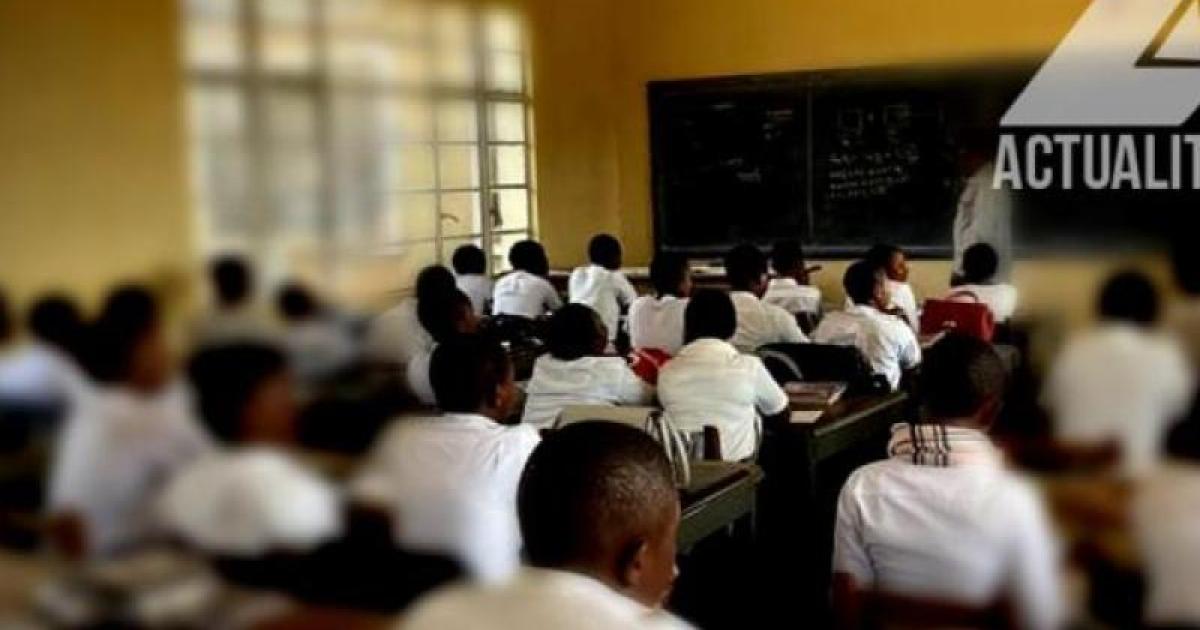
Syeco: Calls for Boycott of Rentrée Scolaire in RDC
Summary
- The Syndicat des enseignants du Congo (Syeco) has called for its members to boycott the upcoming school year's return in the Democratic Republic of Congo.
- The boycott is scheduled to begin on September 1st, coinciding with the planned rentrée scolaire.
- Syeco's primary demand is for a revaluation of teachers' salaries.
- This action represents a significant industrial dispute with potential widespread impact on the RDC's education system.
- The call was issued on Thursday, August 27, 2026.
What Happened
The Syndicat des enseignants du Congo (Syeco) has issued a directive to its members, urging them to abstain from resuming classes for the upcoming school year in the Democratic Republic of Congo (RDC).
The Syndicat des enseignants du Congo (Syeco) has issued a directive to its members, urging them to abstain from resuming classes for the upcoming school year in the Democratic Republic of Congo (RDC). This significant call for a Syeco boycott rentrée scolaire RDC was made public on Thursday, August 27, 2026, ahead of the scheduled school reopening on September 1st.
The union's primary motivation behind this widespread industrial action is to secure a revaluation of teachers' salaries. By calling for a non-resumption of duties, Syeco aims to exert pressure on relevant authorities to address the long-standing demands for improved remuneration for educators across the nation. This move signals a potential disruption to the start of the academic calendar, impacting students and the educational system throughout the RDC.
Legal Framework and Industrial Action
The directive from the Syndicat des enseignants du Congo represents a clear instance of planned industrial action, a common mechanism employed by labor organizations to advocate for their members' interests. Such actions, including boycotts or strikes, are generally governed by national labor laws, which delineate the rights of workers to organize, engage in collective bargaining, and undertake work stoppages to press for demands like salary adjustments or improved working conditions. The specific legal parameters surrounding a grève enseignants RDC would typically outline procedures for declaring such actions, notice periods, and any limitations.
While the source does not detail the specific provisions of the droit du travail RDC that apply to this situation, the union's call for a boycott falls squarely within the realm of labor relations and collective disputes. The objective of securing a revalorisation salariale through such a measure underscores the importance of robust negotiation frameworks between employee representatives and employers, particularly in the public sector. This type of conflit social éducation Congo often necessitates mediation or arbitration to reach a resolution that satisfies both parties while minimizing disruption to essential services.
Why It Matters
The impending Syeco boycott rentrée scolaire RDC carries substantial implications for the educational landscape and social stability within the Democratic Republic of Congo. A widespread refusal by teachers to return to classrooms on September 1st would inevitably lead to significant delays in the academic year, affecting countless students and their families. This disruption could exacerbate existing challenges within the RDC's education sector, potentially impacting learning outcomes and access to schooling.
Furthermore, the union's demand for salary revaluation highlights persistent economic grievances among public sector employees. The outcome of these potential négociations salariales Syeco will be closely watched, as it could set a precedent for other labor groups seeking similar improvements. The government's response to this industrial action will be critical in determining the duration of the boycott and the broader trajectory of labor relations in the country, particularly within the vital education sector.
Practical Implications
Lawyers advising educational institutions or public sector clients in the DRC should monitor this labor dispute for potential operational disruptions and legal implications regarding collective bargaining and industrial action. Compliance officers need to assess the risk of service interruption and ensure appropriate contingency planning.
Source
How does this affect you?
Get an AI analysis of this article grounded in your jurisdictions, practice areas, and any policy documents you've uploaded to Wansom.
Finish this article free. Just your email for instant unlock.
Wansom is AI and can make mistakes.