
Inongo Teachers: Salary Arrears Boycott Threat Over 2 Months Unpaid Wages
Summary
- Teachers from the Maï-Ndombe 1 educational province protested in Inongo on August 25, demanding two months of salary arrears.
- The educators are owed salaries for December 2025 and January 2026.
- The protest occurred just days before the scheduled start of the 2026-2027 school year.
- Teachers are threatening to boycott the commencement of the academic year if their outstanding wages are not paid.
- This action signals potential labor instability within the DRC's public education sector.
Teachers Issue Ultimatum in Inongo
The unrest in Inongo serves as a critical indicator of potential labor instability within the DRC's public education sector.
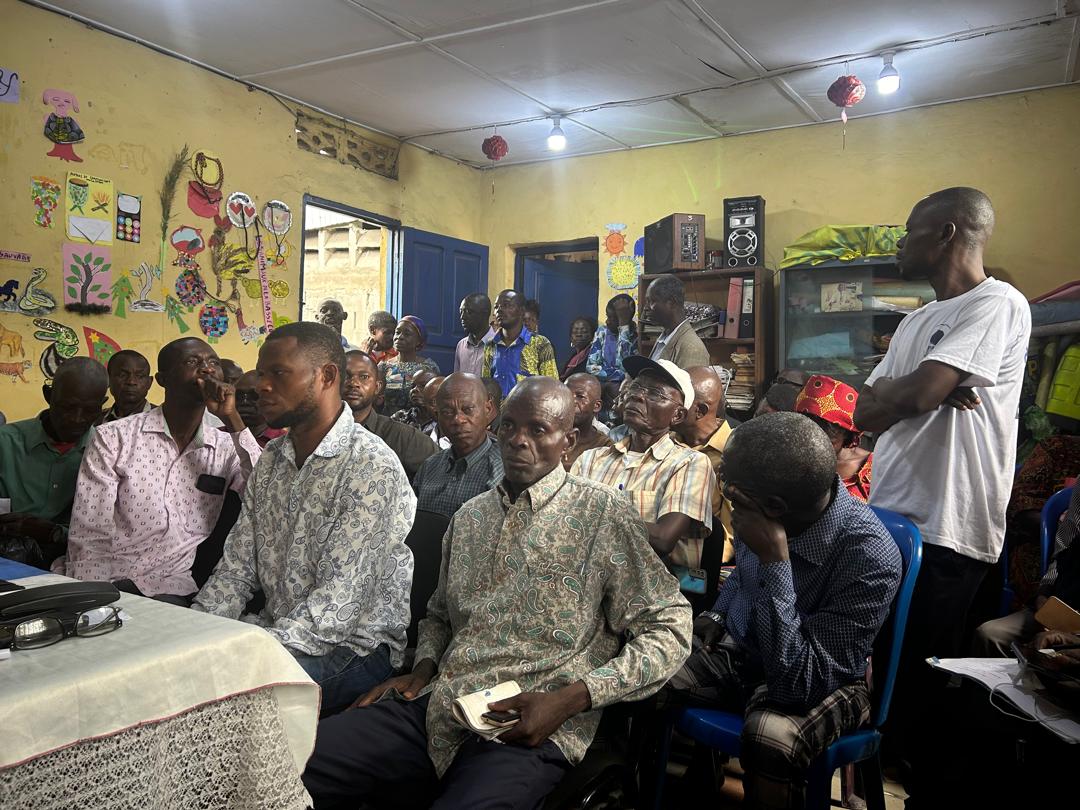
On Tuesday, August 25, educators from the Maï-Ndombe 1 educational province staged a public demonstration in the streets of Inongo. Their collective action was aimed at pressuring authorities to settle two months of outstanding salary payments, a critical demand voiced just days before the scheduled commencement of the 2026-2027 academic year. This protest underscores growing frustration among public sector employees regarding their remuneration.
The teachers have issued a clear warning: they intend to boycott the start of the new school year if their salary arrears are not promptly addressed. This "Inongo teachers salary arrears boycott threat" represents a significant challenge to the educational system in the region, potentially leaving classrooms empty and disrupting the learning process for countless students. Such a widespread refusal to work would effectively paralyze public education across the province.
The timing of this ultimatum, so close to the academic calendar's opening, places immense pressure on provincial and national authorities. Failure to resolve this dispute quickly could lead to a chaotic start to the school year, with long-term repercussions for educational continuity and public trust in the administration's ability to manage its financial obligations to its workforce.
Unpaid Wages Spark Outcry
The specific financial grievance at the heart of the teachers' protest involves salaries for December 2025 and January 2026. These two months of unpaid wages constitute the arrears that have prompted the educators to take to the streets and threaten industrial action. The demand for these specific payments highlights a direct and unfulfilled contractual obligation by the employer.
This situation in Inongo is indicative of broader "Inongo unpaid teacher salaries" issues, which could be symptomatic of a wider "DRC public sector salary dispute." Persistent delays in salary payments for public employees, particularly those in essential services like education, can severely impact their livelihoods, leading to financial hardship and a decline in morale. Such conditions often fuel "Congo education labor unrest" across various regions.
The consistent failure to disburse salaries on time not only violates employment agreements but also undermines the stability of the education sector. Teachers, as critical public servants, rely on timely compensation to meet their basic needs, and any disruption to this fundamental expectation can lead to widespread discontent and a breakdown in the delivery of public services.
Potential for Widespread Disruption
Should the educators follow through on their threat, the Maï-Ndombe 1 educational province would face a significant "Maï-Ndombe 1 teachers strike" at the outset of the 2026-2027 school year. This action would not only halt academic activities but also create considerable social and economic disruption for families and communities reliant on public schooling. The immediate impact would be felt by students unable to attend classes and parents struggling with childcare arrangements.
This incident also brings into focus the broader context of "DRC labor law public employees" and the government's adherence to its obligations. While the source does not detail specific legal provisions, the expectation of timely salary payment is a fundamental aspect of labor relations. Prolonged disputes over wages can signal underlying fiscal challenges within the government, potentially affecting its capacity to meet other financial commitments or maintain regulatory stability.
The unrest in Inongo serves as a critical indicator of potential labor instability within the DRC's public education sector. Stakeholders, including legal professionals advising clients with investments or operations in the region, should closely monitor these developments. The government's response to this "Inongo teachers salary arrears boycott threat" could set a precedent for how similar disputes are handled, impacting the overall operational environment and the reliability of public services in the Democratic Republic of Congo.
Practical Implications
This development signals potential labor instability within the DRC's public education sector, particularly in the Maï-Ndombe 1 province. Lawyers advising clients with investments or operations reliant on public services in the region should monitor for potential disruptions and assess the government's capacity to meet its financial obligations, which could impact other contractual payments or regulatory stability.
Source
Source: Reporting from local DRC media
How does this affect you?
Get an AI analysis of this article grounded in your jurisdictions, practice areas, and any policy documents you've uploaded to Wansom.
Wansom is AI and can make mistakes.