
Supreme Court: UAPA Charge Sheet Extension Can Factor Sanction Delay
Summary
- The Supreme Court ruled that the time taken to obtain prosecution sanction can justify extending the period for filing a UAPA charge sheet.
- The Court clarified that stating 'sufficient material' exists does not mean an investigation is complete, and sanction is a distinct, non-mechanical process.
- Default bail is a fundamental right under Article 21 that ceases once the charge sheet is filed.
- This ruling stemmed from an appeal by the State of Maharashtra against a Bombay High Court decision granting default bail to alleged PFI members, Momin Moiuddin Gulam Hasan and Asif Aminul Hussain Khan Adhikari.
Supreme Court Clarifies UAPA Charge Sheet Extension Rules
The duration required for such procedural formalities can be considered when evaluating the progress of investigation for the purpose of granting an extension.
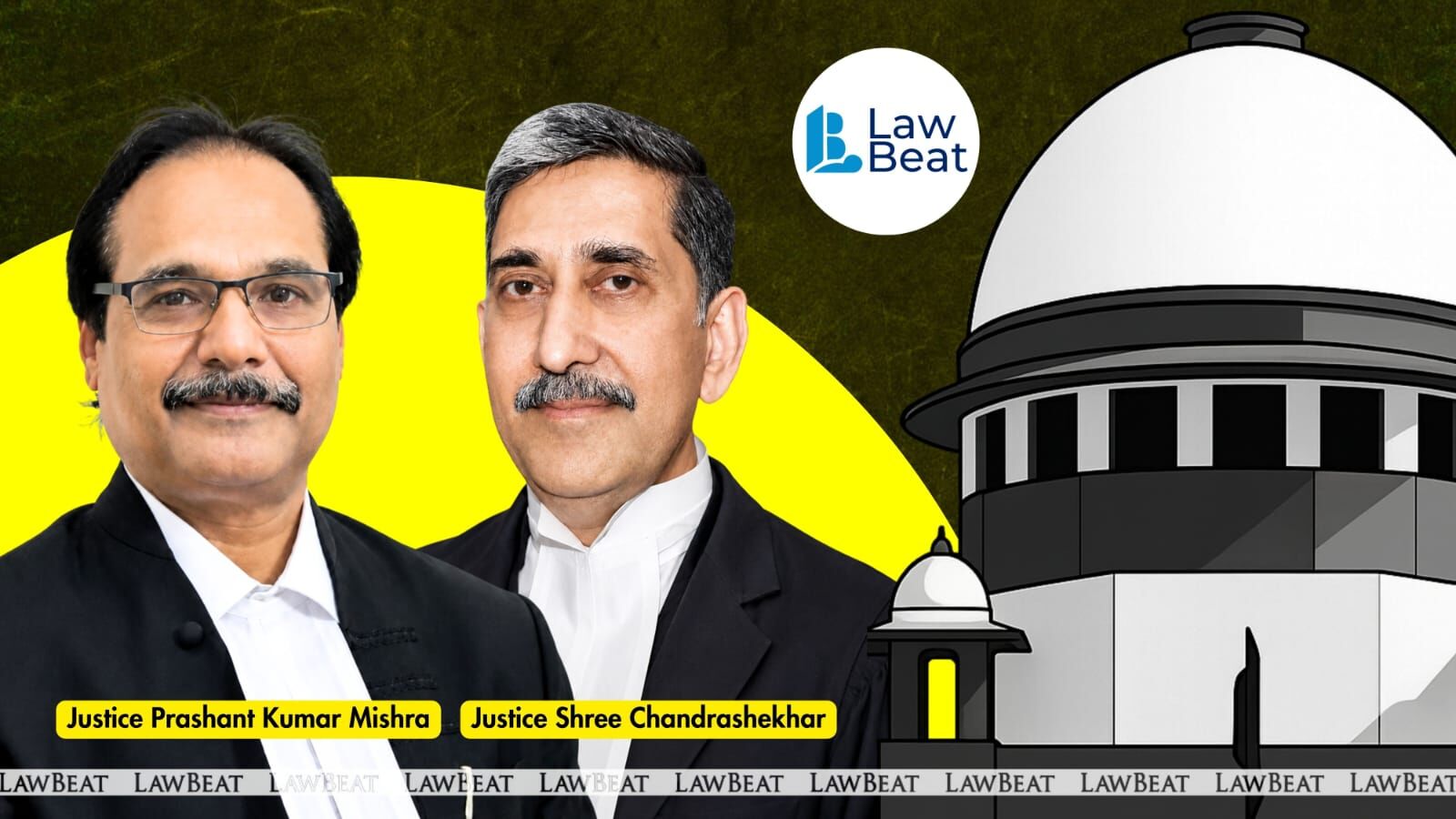
The Supreme Court of India has provided crucial clarity regarding the extension of time for filing a charge sheet in cases under the Unlawful Activities (Prevention) Act (UAPA). A bench comprising Justices Prashant Kumar Mishra and Shree Chandrashekhar ruled that the duration required to obtain prosecution sanction can be a valid consideration when a special court decides whether to grant an extension for completing an investigation. This decision directly addresses the common challenge of `Supreme Court UAPA charge sheet extension sanction delay` faced by prosecuting agencies.
The apex court emphasized that an application for extending the charge sheet filing period under the `Unlawful Activities Prevention Act charge sheet` provisions cannot be dismissed simply because the prosecution asserts that sufficient material is available. Such a statement, the Court clarified, does not automatically signify the completion of the investigation. The process of securing prosecution sanction is distinct from the investigative phase itself, and the time consumed by these procedural formalities is a legitimate factor in evaluating the progress of the investigation for the purpose of granting an extension.
The Nuance of Prosecution Sanction and Investigation
The Supreme Court elaborated on the nature of prosecution sanction, noting that while it is a prerequisite for taking cognizance of an offense, it is not a mere mechanical formality. The sanctioning authority is mandated to meticulously review all material gathered during the investigation before making a decision. This necessitates the prosecution to present comprehensive documents and relevant facts to the authority to secure the necessary approval.
This distinction is vital for understanding `Section 43D UAPA investigation extension` applications. The Court's ruling underscores that even if an investigation has progressed to a point where evidence seems substantial, the administrative step of obtaining sanction is a separate, time-consuming process that can justify an extension. This prevents situations where delays in the sanctioning process, which are often beyond the direct control of the investigating agency, unfairly prejudice the prosecution's ability to file a timely charge sheet.
Default Bail and Its Limitations Under Article 21
In its ruling, the Supreme Court also reiterated the fundamental right to default bail, which is enshrined as part of the procedure established by law under Article 21 of the Constitution. This right, often referred to as `UAPA default bail Article 21`, accrues to an accused when the investigating agency fails to conclude its investigation and submit a final report within the statutory timeframe. It is an indefeasible right that must be exercised by the accused before the charge sheet is formally filed.
However, the Court firmly stated that once a charge sheet has been filed, the right to default bail ceases to exist and can no longer be claimed by the accused. This clarification is crucial for legal practitioners assessing timelines and strategic options in `Prosecution sanction UAPA charge sheet India` cases, highlighting the critical window during which default bail can be sought.
Case Background: Maharashtra vs. Momin Moiuddin Gulam Hasan
The Supreme Court's pronouncements came in response to an appeal filed by the State of Maharashtra. The appeal challenged a Bombay High Court judgment that had granted default bail to `Momin Moiuddin Gulam Hasan UAPA` alias Moin Mistri and Asif Aminul Hussain Khan Adhikari. These individuals were identified as alleged members of the banned Popular Front of India and had been arrested on September 22, 2022.
Initially, a special court had granted the Anti-Terrorist Squad a 15-day extension to file the charge sheet and rejected the accused's plea for default bail. However, the High Court subsequently overturned this decision, noting that a prior 30-day extension had already been granted. The High Court had misinterpreted the prosecution's statement of having 'sufficient material' as an indication that the investigation was complete, thus deeming an extension for awaiting sanction impermissible. The charge sheet in this particular case was eventually filed on February 2, 2023. The accused faced charges under Sections 120B, 121A, 153A, 201, and 116 of the Indian Penal Code (now Sections 61, 148, 196, 238, and 54 of the Bharatiya Nyaya Sanhita, respectively), alongside Section 13(1)(b) of the UAPA, for alleged activities aimed at overthrowing the Indian government and disrupting sovereignty through foreign aid to establish an Islamic State in India.
Practical Implications
This ruling provides crucial clarity for lawyers handling UAPA cases, establishing that the time required to obtain prosecution sanction can be considered a valid reason for extending the charge sheet filing period. Practitioners must factor this into their strategic assessment of investigation timelines, default bail applications, and arguments for or against extensions, particularly when challenging the prosecution's grounds for delay or justifying their own.
Source
Source: Original reporting via Live Law
How does this affect you?
Get an AI analysis of this article grounded in your jurisdictions, practice areas, and any policy documents you've uploaded to Wansom.
Finish Reading the Full Story and the Expert Analysis.
Get the latest legal & regulatory intelligence in India
Wansom is AI and can make mistakes.