
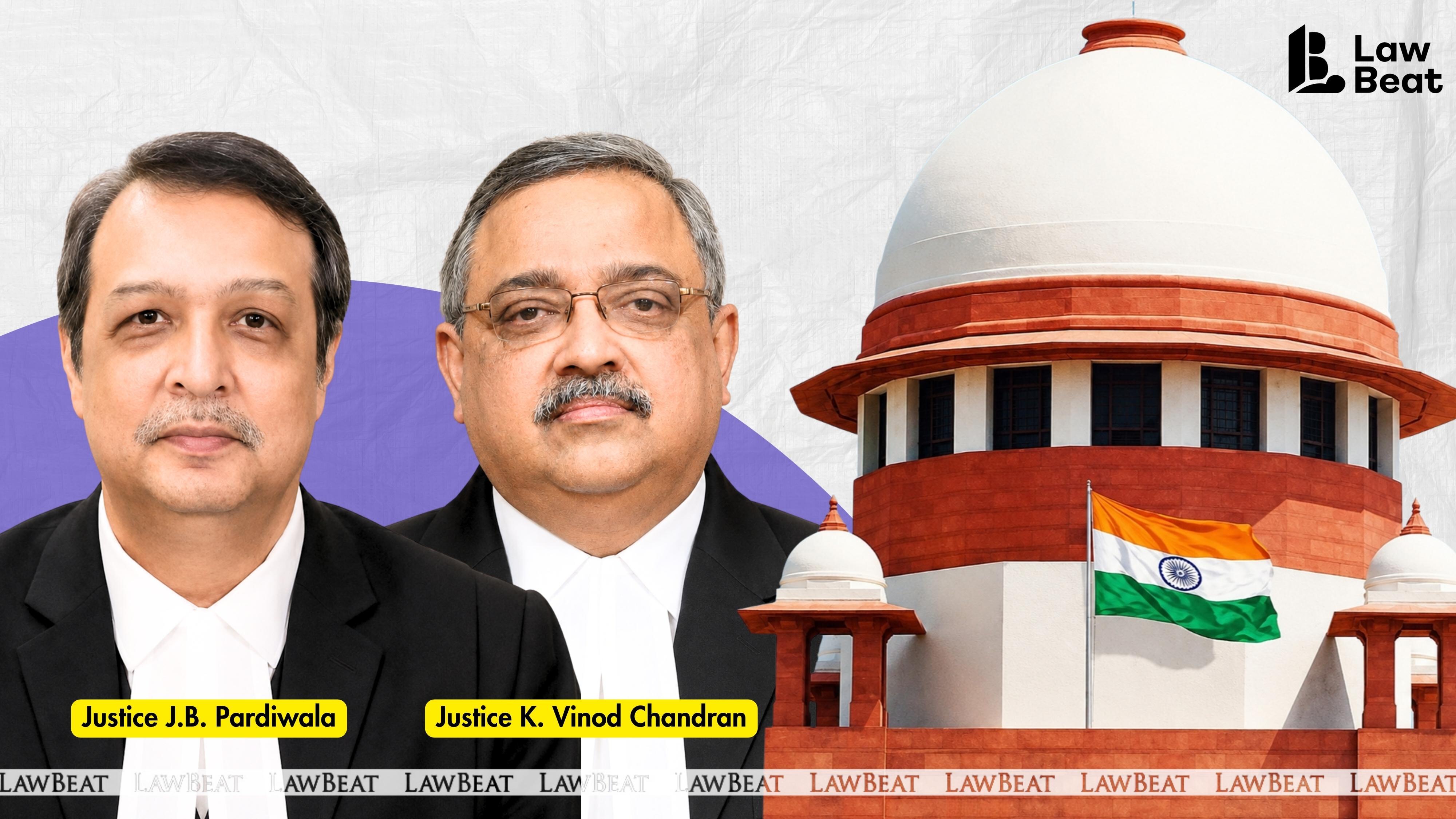
Supreme Court: Suo Motu Delhi-NCR Public Safety Probe Cites Systemic Failure
Summary
- The Supreme Court of India has taken suo motu cognizance of recent rape and sexual assault cases in the Delhi-NCR region.
- Justices J.B. Pardiwala and K. Vinod Chandran stated these incidents highlight a systematic failure of law enforcement and public administration to ensure basic public safety.
- The Court drew "painful parallels" to the 2012 Nirbhaya incident and emphasized the right to live with dignity under Article 21.
- It stressed that public spaces must not become "zones of high risk" due to administrative deficiencies like poor lighting or lack of patrolling.
- The Supreme Court demanded measurable responses and fixed accountability, rejecting mere expressions of solidarity, and directed a suo motu case registration on September 28, 2026.
What Happened
The Supreme Court firmly rejected mere expressions of concern or solidarity from public authorities and elected representatives as sufficient responses to this grave issue.
The Supreme Court of India has initiated a suo motu proceeding concerning recent incidents of rape and sexual assault within the Delhi-National Capital Region (Delhi-NCR), signaling a significant judicial intervention into public safety failures. This proactive step was taken on a Monday by a bench comprising Justices J.B. Pardiwala and K. Vinod Chandran, who expressed profound distress over the recurring nature of sexual offenses in the region. The Court specifically cited two harrowing cases: the gang-rape and murder of a teenage girl in Swarup Nagar, Delhi, whose decomposed remains were later discovered in a field, and the alleged sexual assault of a minor aboard a moving sleeper bus.
This latter incident was particularly highlighted for the bus's uninterrupted journey of approximately 47 kilometers from Greater Noida to Delhi, without any police interception. The Supreme Court's decision to take suo motu cognizance underscores its view that these incidents are not isolated occurrences but rather indicative of a broader, systemic breakdown. The Justices explicitly stated that such events point to a fundamental failure on the part of law enforcement and public administrative authorities to uphold basic public safety standards.
Judicial Observations and Systemic Failures
In its order, the Supreme Court drew "painful parallels" between the current wave of sexual offenses and the infamous Nirbhaya incident of 2012, questioning whether any meaningful progress in systematic law enforcement mechanisms has been achieved since that landmark case. The Court's observations unequivocally assert that these incidents, alongside other recent reports of sexual crimes across Delhi-NCR, starkly reveal a systematic failure by both law enforcement and public administrative bodies to guarantee the fundamental right to public safety.
The bench underscored that the right to live with dignity and without the constant threat of violence is an inherent aspect of the right to life, as enshrined under Article 21 of the Indian Constitution. Furthermore, the Court emphasized that public spaces, including vital infrastructure like roads, parks, buses, metro stations, subways, and footbridges, must not be allowed to devolve into "zones of high risk." This deterioration, the Justices noted, often stems from preventable administrative deficiencies such as inadequate illumination, poor surveillance, and a lack of regular patrolling.
Call for Accountability
The Supreme Court firmly rejected mere expressions of concern or solidarity from public authorities and elected representatives as sufficient responses to this grave issue. The Justices articulated that such gestures, when "devoid of accountability," fail to address the deeper institutional questions at hand, stating that "expressing solidarity is not a solution to this social evil." Instead, the Court demanded a "measurable response" that clearly assigns responsibility and accountability to the authorities tasked with preventing crimes, maintaining public order, and safeguarding vulnerable individuals.
To facilitate a comprehensive examination of these critical issues, the Supreme Court directed the formal registration of a suo motu case on September 28, 2026. This directive aims to scrutinize the systemic failures in public safety and law enforcement accountability across the Delhi-NCR region, with the ultimate goal of ensuring that concrete measures are implemented to protect citizens. This judicial initiative highlights the India Supreme Court's commitment to addressing systemic deficiencies that compromise public safety, particularly in cases involving sexual assault.
Practical Implications
The Supreme Court's suo motu action signals a high-level judicial intervention into systemic failures in public safety and law enforcement accountability. Lawyers should monitor this case for potential new directives or precedents impacting public administration, and consider its implications for litigation involving victims of sexual assault or public interest matters concerning state negligence.
Source
How does this affect you?
Get an AI analysis of this article grounded in your jurisdictions, practice areas, and any policy documents you've uploaded to Wansom.
Finish Reading the Full Story and the Expert Analysis.
Get the latest legal & regulatory intelligence in India
Wansom is AI and can make mistakes.