
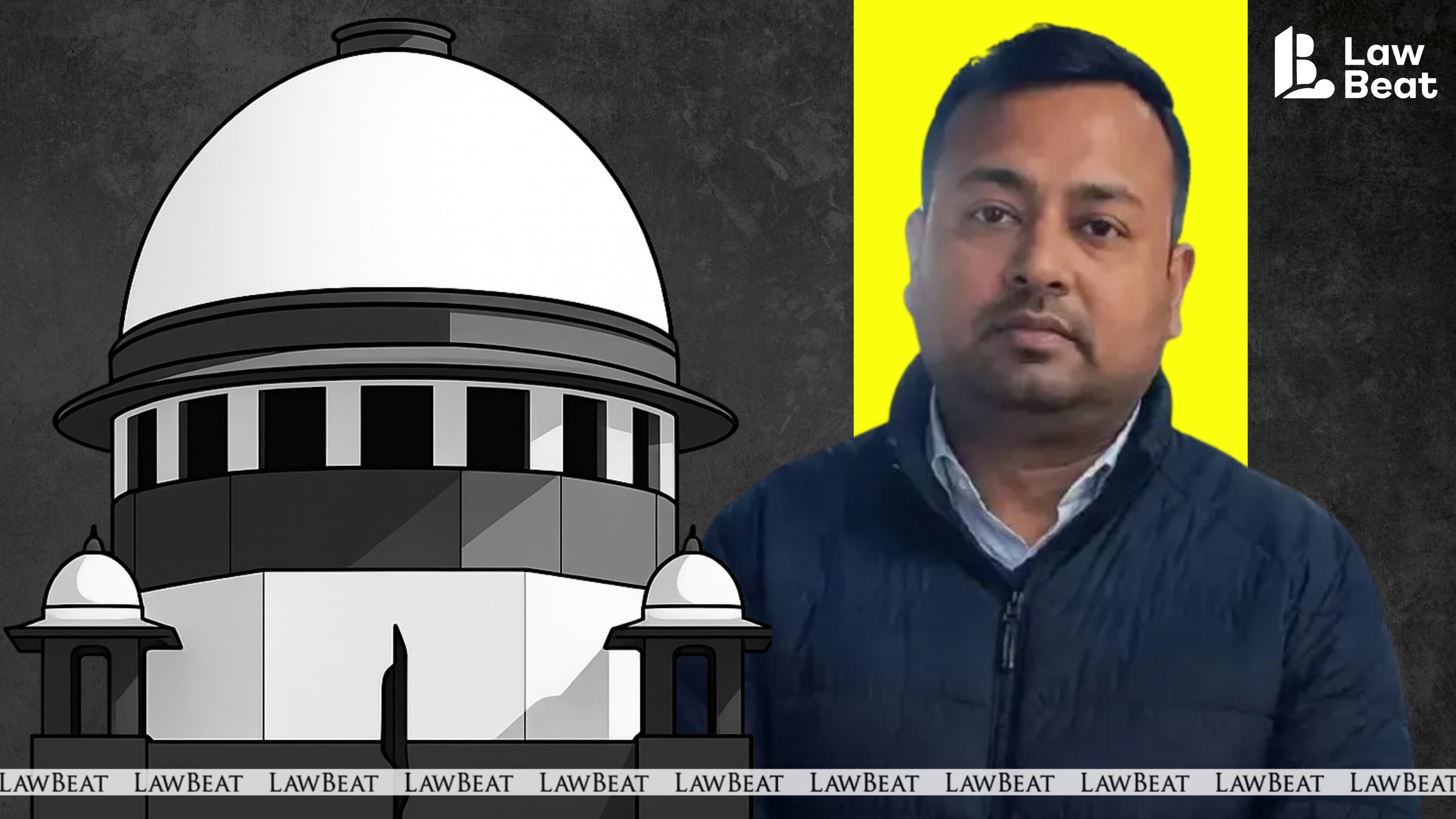
Supreme Court: Refuses Sumit Roy Anticipatory Bail
Summary
- The Supreme Court has rejected the anticipatory bail plea of Sumit Roy, personal assistant to Trinamool Congress MP Abhishek Banerjee.
- Roy is accused in the Salboni land-grabbing case, which involves allegations of government land fraud, cheating, and criminal conspiracy.
- The Enforcement Directorate had consistently sought custodial interrogation of Roy, arguing the investigation revealed the matter was "only a tip of the iceberg."
- Roy's counsel contended that he had cooperated fully during 88 hours of questioning and that the inquiry was a "fishing and roving" investigation into a political party.
- This ruling follows a previous refusal of pre-arrest protection by the Calcutta High Court on August 3, which Roy had challenged before the apex court.
Supreme Court Refuses Pre-Arrest Bail
The Supreme Court's decision underscores a stringent judicial approach towards pre-arrest bail applications in cases involving serious economic offenses, particularly when central agencies like the Enforcement Directorate seek custodial interrogation.
India's Supreme Court has denied anticipatory bail to Sumit Roy, an individual identified as the personal assistant to Trinamool Congress MP Abhishek Banerjee. The decision, orally pronounced by a bench led by Chief Justice of India Surya Kant, came after hearing extensive submissions from both sides regarding Roy's involvement in the Salboni land-grabbing case. This ruling effectively paves the way for the Enforcement Directorate (ED) to proceed with its investigation, as the agency had consistently sought custodial interrogation of Roy.
Senior Advocate Gopal Sankaranarayanan represented Roy, arguing against the necessity of pre-arrest detention. Conversely, Solicitor General Tushar Mehta appeared for the Enforcement Directorate, advocating for the agency's need to question Roy in custody. The apex court's refusal marks a significant development in the ongoing probe, which centers on allegations of government land fraud.
Allegations in the Salboni Land-Grabbing Case
The underlying legal action stems from a police case registered in Salboni, which includes serious charges such as cheating, criminal breach of trust, forgery, using forged documents, and criminal conspiracy. These provisions relate to an alleged fraud involving government land. The Enforcement Directorate, as the investigating agency, has been actively pursuing the matter, with Solicitor General Mehta previously stating that their investigation indicated the issue was merely "a tip of the iceberg."
Roy's counsel maintained that his client was not named in the initial First Information Report (FIR) and that his alleged involvement only emerged during the subsequent investigation. Furthermore, it was argued that Roy had no direct connection to the land transactions in question and was implicated solely due to his professional association as the personal assistant to a prominent political figure.
Contentious Interrogations and Prior Legal Challenges
During the Supreme Court proceedings, Roy's legal team highlighted that he had already undergone 88 hours of questioning and had cooperated fully with investigators. Sankaranarayanan contended that no deposit slips or banking records bearing Roy's signature or handwriting, nor any other material identifying him as the person who made alleged deposits, had been presented. He also asserted that Roy had never been confronted with any complainant or victim, characterizing the inquiry as a "fishing and roving" investigation into a political party rather than the specific offense.
However, Justice Bagchi observed that while large volumes of cash were not deposited in Roy's personal account, there were contemporaneous deposits made into a political party's account. Solicitor General Mehta, referring to interrogation material, countered that Roy had indeed been questioned about cash deposits into his personal bank account and that the ED possessed documentary evidence bearing his signature. The Supreme Court had previously requested interrogation details after Roy alleged that investigators barely questioned him about the Salboni case, focusing instead on his family and the political party's recruitment and funding. Justice Bagchi had also directed SG Mehta to provide transcripts of the interrogation and responses.
This Supreme Court decision follows an earlier refusal of anticipatory bail by the Calcutta High Court on August 3, where Justice Tirthankar Ghosh declined pre-arrest protection. Roy had challenged this High Court ruling before the apex court. On August 6, the Supreme Court had issued an interim order, staying Roy's arrest while simultaneously directing him to fully cooperate with the ongoing investigation.
Implications for Pre-Arrest Bail in Economic Offenses
The Supreme Court's decision underscores a stringent judicial approach towards pre-arrest bail applications in cases involving serious economic offenses, particularly when central agencies like the Enforcement Directorate seek custodial interrogation. The consistent demand for custodial questioning by the ED, coupled with the court's refusal of Sumit Roy's pre-arrest bail, signals a high bar for such relief in investigations where agencies allege non-cooperation or present evidence of financial irregularities.
This ruling reinforces the principle that even if direct involvement is disputed by the accused, the courts may prioritize the investigating agency's need for unhindered inquiry, especially when dealing with complex financial crimes. The outcome serves as a significant reference point in Supreme Court India criminal law, potentially influencing future considerations of anticipatory bail refusal precedent in similar high-profile cases.
Practical Implications
This ruling underscores the Supreme Court's stringent stance on anticipatory bail in serious economic offenses, particularly when the Enforcement Directorate seeks custodial interrogation. Lawyers should advise clients that the bar for pre-arrest bail remains high in such cases, especially where agencies allege non-cooperation or present evidence of financial irregularities, even if direct involvement is disputed.
Source
Source: Original reporting via Live Law
How does this affect you?
Get an AI analysis of this article grounded in your jurisdictions, practice areas, and any policy documents you've uploaded to Wansom.
Finish Reading the Full Story and the Expert Analysis.
Get the latest legal & regulatory intelligence in India
Wansom is AI and can make mistakes.