
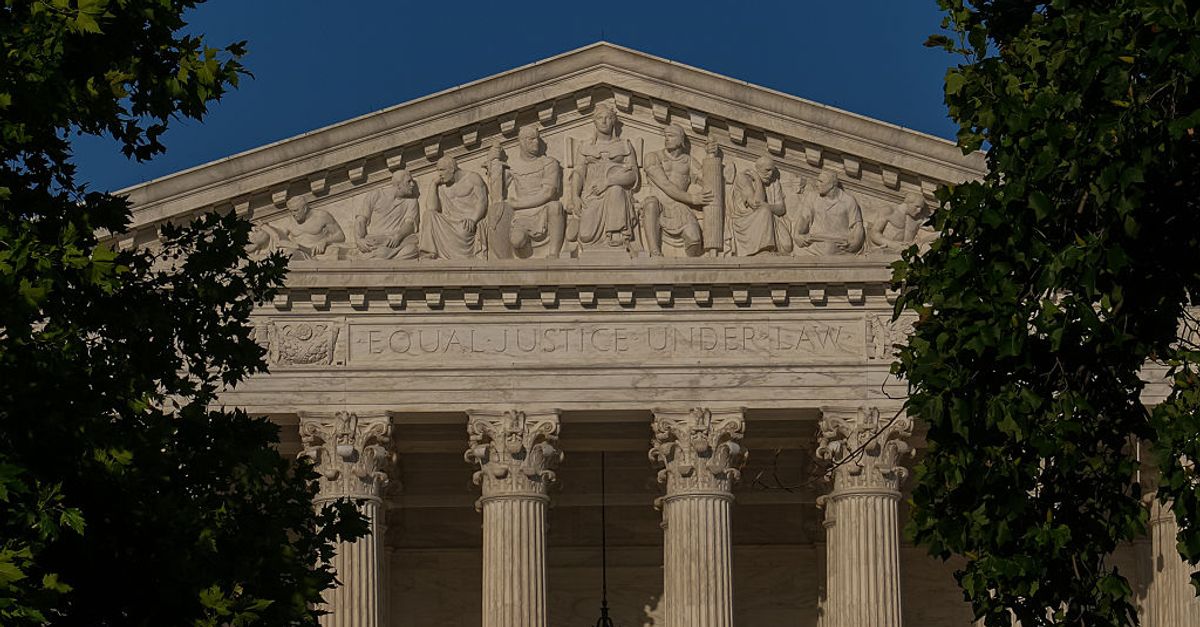
US Supreme Court: Extends Political Ad Rate Pause for Parties
Summary
- The Supreme Court has paused a lower court's order, allowing political parties and joint fundraising committees to retain favorable advertising rates.
- This ruling means the Federal Communications Commission is not required to review these discounted rates on an expedited timeline.
- The favorable rates, extended to parties and joint fundraising committees by an FCC Media Bureau notice in March, will remain in effect for the 2026 election.
- Justices Sotomayor and Jackson indicated their dissent from the Supreme Court's decision.
- This marks the second time since late August that the Supreme Court has intervened in the dispute over these campaign finance advertising rates.
Supreme Court Pauses Ad Rate Review
This decision by the Supreme Court effectively maintains the current campaign finance landscape regarding advertising costs for political parties and joint fundraising committees through the 2026 election cycle.
The Supreme Court has issued a significant ruling that will allow political parties and joint fundraising committees to continue benefiting from favorable advertising rates as the 2026 election cycle approaches. In an unsigned, five-page opinion delivered on Wednesday, the justices granted a request to extend a pause on a previous directive from a federal appeals court in Virginia. This appellate court had instructed the Federal Communications Commission (FCC) to promptly address a petition from four Democratic congressional candidates.
The petition specifically sought a review of an FCC notice that affirmed the entitlement of political parties and joint fundraising committees to these advantageous advertising rates. The Supreme Court's action effectively removes any immediate obligation for the FCC to rule on the availability of these favorable rates within a specific timeframe, particularly before the upcoming November election. This intervention marks the second instance since late August that the nation's highest court has become involved in the ongoing dispute concerning these discounted campaign finance advertising rates.
Legal Context of Discounted Ad Rates
Under existing federal election law, candidates for federal office are already entitled to discounted advertising rates during specific periods: 45 days prior to a primary election and 60 days before a general election. The current controversy stems from a "public notice" issued by the FCC’s Media Bureau in March. This notice indicated that the same favorable advertising rates should also be extended to political parties and joint fundraising committees, expanding the scope of entities eligible for these beneficial terms.
This expansion prompted the challenge from the four Democratic candidates for Congress, who sought a review of the FCC's interpretation. The federal appeals court in Virginia had sided with the petitioners, directing the FCC to expedite its review process. However, the recent Supreme Court political ad rate pause overrides that directive, ensuring that the FCC political ad rates for joint fundraising and political parties remain as they are for the foreseeable future, impacting the landscape of SCOTUS election advertising rates.
Implications for the 2026 Election Cycle
This decision by the Supreme Court effectively maintains the current campaign finance landscape regarding advertising costs for political parties and joint fundraising committees through the 2026 election cycle. For lawyers advising these entities, it means the favorable advertising rates remain in effect, allowing for continued strategic planning based on these discounted costs. The ruling provides clarity, albeit temporary, that the current structure of campaign finance discounted ad rates will persist, influencing budgeting and compliance strategies for upcoming campaigns.
While the majority of the Court supported the pause, Justices Sonia Sotomayor and Ketanji Brown Jackson indicated their dissent, though without providing a detailed explanation for their position. Their disagreement highlights the contentious nature of these federal election law ad rates and the broader debate surrounding political parties favorable advertising. The Supreme Court's intervention underscores the significant financial implications of these rates for political campaigning and the ongoing legal scrutiny of campaign finance regulations.
Practical Implications
Lawyers advising political parties and joint fundraising committees should note that the favorable advertising rates for these entities remain in effect for the 2026 election, as the Supreme Court has paused a lower court's directive for the FCC to review them. This maintains the current campaign finance landscape regarding ad spending and impacts budgeting and compliance strategies for upcoming campaigns.
Source
How does this affect you?
Get an AI analysis of this article grounded in your jurisdictions, practice areas, and any policy documents you've uploaded to Wansom.
Finish Reading the Full Story and the Expert Analysis.
Get the latest legal & regulatory intelligence in United States
Wansom is AI and can make mistakes.