
California AG Sues: National Archives San Bruno Relocation Challenged
Summary
- California Attorney General Rob Bonta has sued the Trump administration over the planned closure and relocation of the National Archives at San Francisco.
- The lawsuit alleges the decision was made improperly, without public notice, and violates the Administrative Procedure Act.
- The San Bruno facility houses critical records, including those related to Japanese American internment, the Chinese Exclusion Act, and Native American tribal matters.
- Many of these historical documents are not digitized, making in-person access essential for researchers and affected communities.
- The relocation could make records inaccessible for years and significantly increase access costs for those who rely on them.
What Happened
The potential relocation of the San Francisco federal archives carries profound implications for various communities and governmental functions.
California's Attorney General, Rob Bonta, has initiated legal action against the Trump administration, challenging a decision to close the National Archives at San Francisco and relocate its extensive collection of historical documents. The lawsuit, filed on a Wednesday, alleges that the federal government's plan to move these records, some dating back nearly two centuries, is improper and was made without adequate public notification or opportunity for community input. The facility in question, situated in San Bruno, California, is home to over 75,000 cubic feet of records accumulated since 1973, serving as one of the National Archives and Records Administration's (NARA) 27 public research rooms.
Legal Context
The core of Attorney General Rob Bonta's National Archives lawsuit rests on the assertion that the federal government's decision violates the Administrative Procedure Act (APA). The lawsuit specifically requests a federal judge to declare the relocation unlawful and a breach of the APA's requirements for public notice and comment. Furthermore, Bonta seeks a judicial order to prohibit the planned relocation entirely and to vacate the original decision to close the California facility. This legal challenge highlights the importance of due process in federal administrative actions, particularly when they impact public access to vital resources.
NARA, in an August statement, previously justified the closures by citing underutilized space, attributing this to the government's broader transition towards electronic record-keeping. However, Bonta contends that the majority of the records stored in San Bruno are not digitized, making in-person access essential. The lawsuit argues that without proper public engagement, the decision to move these non-digitized records circumvents established legal procedures and disregards the significant public interest in their continued local availability.
Why It Matters
The potential relocation of the San Francisco federal archives carries profound implications for various communities and governmental functions. California state agencies, for instance, rely on these historical documents for research necessary to undertake certain state construction projects. Beyond governmental needs, numerous groups depend on these records, and their removal from the Bay Area would impose significantly increased costs for access, potentially creating insurmountable barriers for researchers and affected communities. The inaccessibility of records during a multi-year relocation period further exacerbates these concerns.
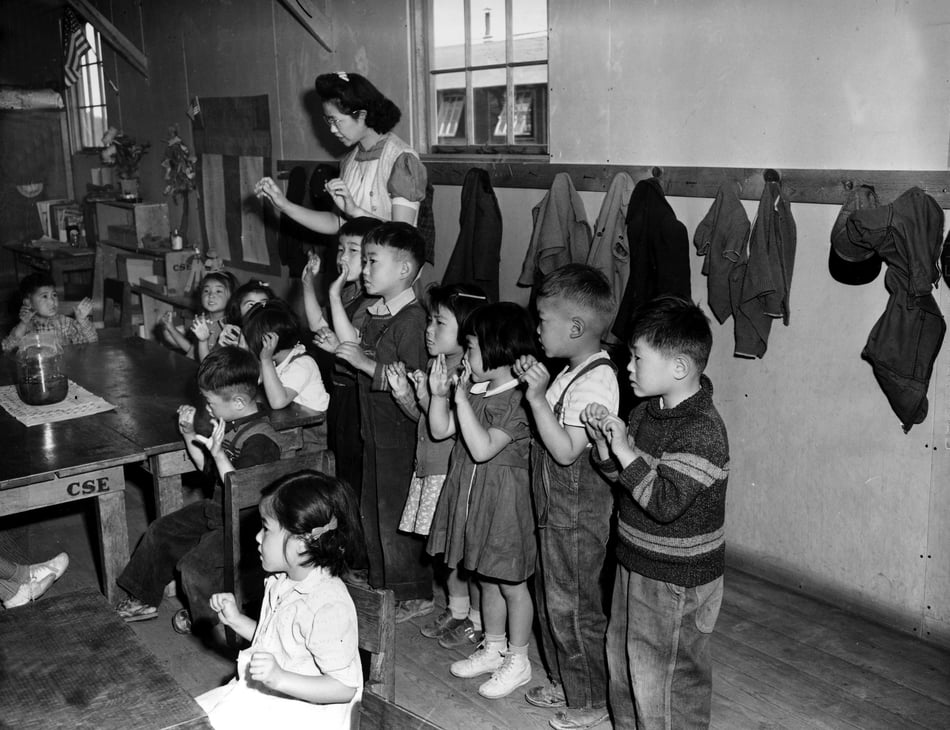
For the Japanese American community, the facility holds particular significance, being adjacent to a former temporary detention site from World War II. The archives contain crucial Japanese American internment records, including case files and immigration documents, such as those related to Fred Korematsu's challenge to his internment and Bruce Lee's immigration records. Mike Ishii, Executive Director of Tsuru for Solidarity, characterized the move as a "form of historical erasure," emphasizing that these records preserve the stories of families who endured imprisonment and resisted internment. Similarly, Heather Hostler, Executive Director of California Indian Legal Services, underscored the vital role of Native American tribal records from San Bruno for tribes seeking federal recognition and asserting their sovereignty, making their continued local access indispensable for their future.
Practical Implications
Lawyers advising clients who rely on historical records from the National Archives at San Francisco, particularly those related to Japanese American internment, Chinese Exclusion Act, or Native American tribal matters, should monitor this lawsuit. The outcome will determine the accessibility and location of vital documentation, and the case itself sets a precedent for challenging federal agency decisions made without proper public notice under the Administrative Procedure Act.
Source
How does this affect you?
Get an AI analysis of this article grounded in your jurisdictions, practice areas, and any policy documents you've uploaded to Wansom.
Finish Reading the Full Story and the Expert Analysis.
Get the latest legal & regulatory intelligence in United States
Wansom is AI and can make mistakes.