
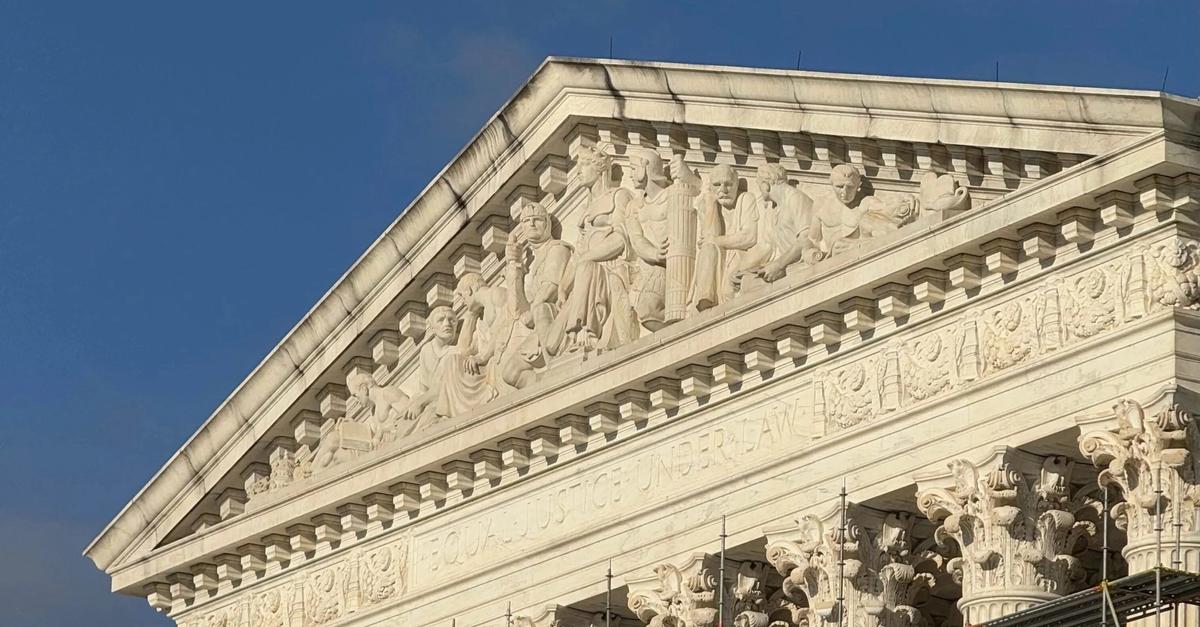
Supreme Court: Beaird, Salazar Oral Arguments Address Key Legal Issues
Summary
- The Supreme Court will hear oral arguments in Beaird v. United States concerning judicial deference to U.S. Sentencing Commission commentary.
- Justices will also consider Salazar v. Paramount Global, which examines the application of the 1988 Video Privacy Protection Act to the internet era.
- Orders from a recent private conference are expected this morning, following discussions and votes on petitions for review.
- The Court is also reviewing a Trump administration request regarding a policy on healthcare for transgender inmates.
- The Supreme Court has granted stays regarding requests from the FCC and two Republican groups concerning a federal appeals court ruling on political advertising rates.
Key Oral Arguments Set for Supreme Court
The Court's decision will have far-reaching consequences for companies operating in the digital content space, particularly those involved in streaming, social media, and online advertising.
The Supreme Court is poised for a busy week, with significant oral arguments scheduled that could reshape legal interpretations in criminal sentencing and digital privacy. Following a private conference on Friday where justices discussed cases and voted on petitions for review, orders from that session are anticipated to be released this morning at 9:30 a.m. EDT. These orders precede a series of crucial hearings that will draw considerable attention from legal observers and practitioners.
Today, the Court will hear oral arguments in Beaird v. United States, a case that directly addresses the level of deference federal courts must afford to the U.S. Sentencing Commission’s interpretive commentary regarding the application of federal sentencing guidelines. This case is pivotal for understanding the judiciary's role in interpreting and applying guidelines set by an administrative body.
Later in the week, specifically on Wednesday, the justices will turn their attention to Salazar v. Paramount Global. This case presents a contemporary challenge to an older statute, asking whether and how the 1988 Video Privacy Protection Act (VPPA) applies within the modern internet era. The VPPA, originally enacted in response to a Washington City Paper report on Supreme Court nominee Robert Bork’s video rental history, now faces scrutiny concerning its relevance to today’s digital streaming and content consumption.
Deference to Sentencing Guidelines Under Scrutiny
The Beaird v. United States case brings the critical issue of US Sentencing Commission commentary deference to the forefront of the Supreme Court's docket. The outcome of this argument could significantly alter how federal courts interpret and apply the detailed guidelines that dictate sentencing in criminal cases across the nation. The degree to which judges are bound by or can deviate from the Commission's explanations of its own guidelines has profound implications for consistency and fairness in sentencing.
A ruling that either strengthens or weakens the deference owed to this commentary will directly impact both criminal defense strategies and prosecutorial approaches. If courts are granted more latitude to interpret guidelines independently, it could lead to greater variability in sentencing outcomes. Conversely, if deference is reinforced, it could solidify the Commission's influence over judicial discretion in sentencing matters, potentially streamlining the application of federal criminal law.
Modernizing Data Privacy for the Digital Age
The Salazar v. Paramount Global case is a landmark opportunity for the Supreme Court to clarify the reach of the Video Privacy Protection Act in the digital landscape. Enacted decades before the widespread adoption of the internet, the VPPA was designed to protect individuals' privacy concerning their video rental and purchase histories. The central question now is how this statute, crafted for a physical media world, translates to online platforms that track user video consumption data.
The Court's decision will have far-reaching consequences for companies operating in the digital content space, particularly those involved in streaming, social media, and online advertising. A broad interpretation of the VPPA's internet application could impose significant new compliance burdens on these entities, requiring them to re-evaluate how they collect, store, and share user data related to video viewing. Conversely, a narrow interpretation might limit the statute's effectiveness in protecting consumer privacy in an era dominated by digital data collection. This case is a key part of SCOTUS upcoming cases that will shape the future of data privacy law.
Other Significant Cases Awaiting Decision
Beyond the scheduled oral arguments, the Supreme Court is also actively considering several other fully briefed cases that could see decisions at any time. Among these is a request from the Trump administration, filed on September 28, seeking to allow the Federal Bureau of Prisons to implement a new policy concerning healthcare and accommodations for transgender inmates. This policy aims to prevent these inmates from accessing gender-transition surgeries, hormone therapy, and certain "social accommodations," raising significant questions about inmate rights and correctional facility responsibilities.
Additionally, the Supreme Court has already issued orders regarding requests from the Federal Communications Commission (FCC) and two Republican organizations. These parties had sought to block a federal appeals court ruling that mandated the FCC to promptly decide on a challenge to its 'public notice.' The Supreme Court has granted stays, allowing the FCC's guidance on political advertising rates to remain in effect while the legal challenge continues. These interim docket cases highlight the breadth of complex legal issues currently before the nation's highest court.
Practical Implications
Lawyers should closely monitor the upcoming oral arguments in Beaird v. United States for potential shifts in the deference owed to federal sentencing guidelines, which could impact criminal defense and prosecution strategies. Additionally, the Salazar v. Paramount Global argument is critical for understanding the evolving application of the Video Privacy Protection Act in the internet era, directly affecting data privacy compliance for companies handling user video consumption data.
Source
How does this affect you?
Get an AI analysis of this article grounded in your jurisdictions, practice areas, and any policy documents you've uploaded to Wansom.
Finish Reading the Full Story and the Expert Analysis.
Get the latest legal & regulatory intelligence in United States
Wansom is AI and can make mistakes.