
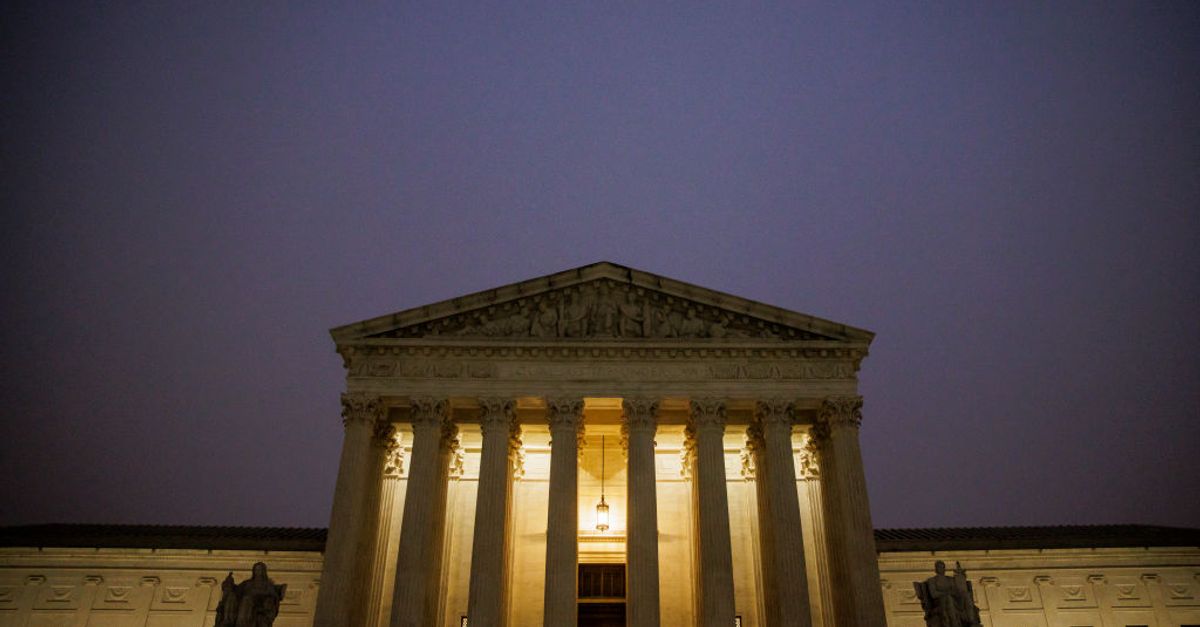
Supreme Court: 2025-26 Interim Relief Docket Shows 123 Emergency Applications
Summary
- The Supreme Court resolved 123 emergency applications during its 2025-26 term, as detailed in a new SCOTUSblog report.
- These applications included 44 capital cases, 43 refiled applications, and 36 substantive requests for intervention.
- The Trump administration filed fewer emergency applications and experienced a significantly lower success rate in the 2025-26 term compared to the previous year.
- Out of nine Trump administration applications ruled on, five were granted (56%), a sharp decline from 90% in the 2024-25 term.
- Trump administration cases in the 2025-26 term also took longer to resolve, averaging 26 days from filing to decision.
Analysis of the 2025-26 Supreme Court Interim Relief Docket
Lawyers should note the significant shift in the Supreme Court's handling of emergency applications, particularly the reduced success rate for the Trump administration compared to previous terms.
The Supreme Court's handling of its emergency docket, often referred to as the "shadow docket," for the 2025-26 term has been detailed in a new statistical report. This analysis, a second edition following an initial publication covering the previous term, provides a comprehensive look at the Court's interim relief decisions from October 6, 2025, through October 4, 2026. The data offers valuable insights into the Court's operational patterns and its approach to urgent applications.
During this period, the Court processed a total of 123 emergency applications. These applications fell into several distinct categories: 44 originated from capital cases, 43 were refiled applications—meaning they were resubmitted to a different justice after an initial denial—and 36 were substantive applications. The substantive applications represent the more visible aspects of emergency relief, encompassing requests for stays, injunctions, and other forms of intervention in non-capital matters. Additionally, the term index included six other cases: two were deferred pending oral argument, three were dismissed as moot, and one was withdrawn after being referred. This detailed breakdown offers a clear picture of the diverse nature of the cases appearing on the Supreme Court 2025-26 interim relief docket.
Shifting Trends for Trump Administration SCOTUS Applications
A significant aspect of the 2025-26 Supreme Court term analysis reveals a marked change in the Court's disposition of emergency applications filed by the Trump administration. Unlike the preceding 2024-25 term, which saw a notable increase in such requests and a high success rate, the most recent term presented a different pattern. The administration submitted fewer applications and experienced a considerably lower rate of success.
Specifically, the Court issued rulings on only nine Trump administration applications during the 2025-26 term, granting relief in five of these, which translates to a 56% success rate. This stands in stark contrast to the 2024-25 term, when the Court granted 19 out of 21 (90%) of the administration's emergency applications. Furthermore, only one of the nine applications from the Trump administration in the 2025-26 term received a unanimous decision from the Court, and in that particular instance, the administration's request was denied. The processing time for these cases also differed, with Trump administration cases averaging 26 days from filing to decision, a duration longer than other emergency applications. These SCOTUS shadow docket statistics indicate a notable shift in how these particular emergency applications Supreme Court were handled.
Implications for Future Emergency Applications
The data from the 2025-26 Supreme Court term, particularly the SCOTUSblog interim relief stat pack, underscores a potentially evolving approach by the Court to emergency applications. The reduced success rate for the Trump administration, coupled with the longer processing times for its cases, suggests a more scrutinizing posture from the justices. This shift is crucial for legal practitioners to consider when strategizing future litigation that involves requests for immediate intervention from the nation's highest court.
Lawyers should note the significant shift in the Supreme Court's handling of emergency applications, particularly the reduced success rate for the Trump administration compared to previous terms. This data provides crucial insight for strategizing future litigation involving requests for stays, injunctions, or other emergency interventions, indicating a potentially more conservative approach by the court to such requests. Understanding these SCOTUS shadow docket statistics is vital for assessing the viability of emergency filings and preparing arguments that align with the Court's current disposition. The 2025-26 Supreme Court term analysis offers a critical benchmark for practitioners navigating the complexities of the shadow docket.
Practical Implications
Lawyers should note the significant shift in the Supreme Court's handling of emergency applications, particularly the reduced success rate for the Trump administration compared to previous terms. This data provides crucial insight for strategizing future litigation involving requests for stays, injunctions, or other emergency interventions, indicating a potentially more conservative approach by the court to such requests.
Source
How does this affect you?
Get an AI analysis of this article grounded in your jurisdictions, practice areas, and any policy documents you've uploaded to Wansom.
Finish Reading the Full Story and the Expert Analysis.
Get the latest legal & regulatory intelligence in United States
Wansom is AI and can make mistakes.