
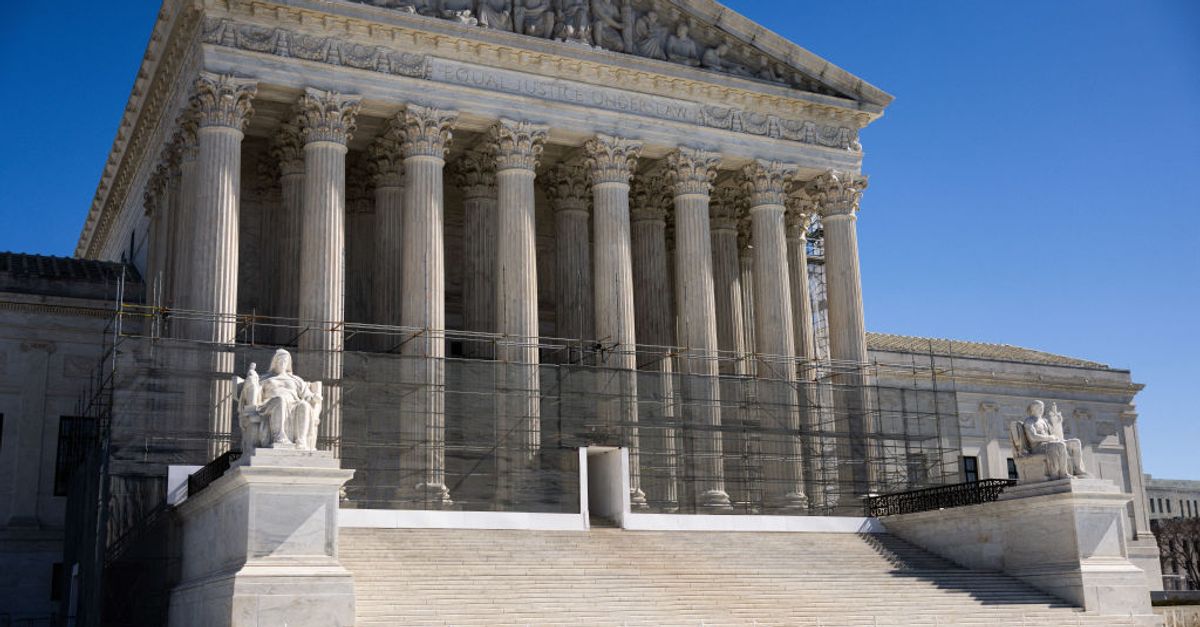
SCOTUSblog: Releases 2025-26 Interim Relief Docket Stat Pack
Summary
- The second Interim Relief Docket Stat Pack has been released, providing a statistical portrait of Supreme Court applications.
- The analysis covers the Supreme Court's 2025-26 term, specifically from October 6, 2025, to October 4, 2026.
- Dr. Taraleigh Davis, an Assistant Professor at Bradley University, authored this detailed statistical report.
- The Stat Pack was published on SCOTUSblog on October 13, 2026, offering insights into emergency applications.
- This resource helps legal professionals understand trends and inform strategies for potential Supreme Court emergency filings.
New Statistical Analysis Released for SCOTUS 2025-26 Term
For attorneys crafting strategic approaches to litigation that might eventually reach the Supreme Court on an emergency basis, this Stat Pack is an indispensable tool.
A new statistical analysis, titled the "Interim Relief Docket Stat Pack," has been made available, offering a comprehensive statistical portrait of the Supreme Court’s applications for the upcoming 2025-26 term. This marks the second iteration of such a report, providing valuable data on the high court's handling of urgent requests. The analysis specifically covers the period from October 6, 2025, through October 4, 2026, encompassing the entirety of the designated term.
Dr. Taraleigh Davis, an Assistant Professor of Public Law and American Politics at Bradley University, is credited with authoring this significant statistical resource. The detailed report was officially published on SCOTUSblog, a prominent platform for Supreme Court news and analysis. Its release occurred on October 13, 2026, at 10:00 AM, making it accessible to legal practitioners, scholars, and the public interested in the Court's operational trends. An overview highlighting key findings from the Stat Pack is also available for review.
Understanding Supreme Court Emergency Applications
The Supreme Court's interim relief docket, often referred to as the "shadow docket," comprises a distinct category of applications that seek immediate action from the justices, typically outside of the Court's regular merits docket. These emergency applications statistics provide critical insights into the Court's willingness to intervene in ongoing legal disputes, often involving requests for stays of lower court orders, injunctions, or other forms of urgent relief. The nature of these applications means they are often decided quickly and with minimal explanation, making statistical analysis particularly valuable for discerning patterns.
Analyzing interim relief applications data helps illuminate the Court's evolving approach to these high-stakes requests. The 2025-2026 Supreme Court docket trends, as captured by this Stat Pack, offer a window into the types of cases that reach the Court on an emergency basis, the frequency of such filings, and the outcomes. This statistical portrait is crucial for understanding the Court's operational dynamics beyond its more publicized merits decisions, providing a clearer picture of its role in contemporary legal and political landscapes.
Why This Analysis Matters for Legal Strategy
The release of the SCOTUS 2025-26 Interim Relief Docket Stat Pack holds significant implications for legal professionals, particularly those advising clients on potential Supreme Court emergency applications. This statistical overview offers a data-driven foundation for understanding the historical success rates and common characteristics of applications that receive the Court's attention. By examining past trends, lawyers can better gauge the likelihood of success for future filings and manage client expectations regarding the Court's disposition towards interim relief requests.
For attorneys crafting strategic approaches to litigation that might eventually reach the Supreme Court on an emergency basis, this Stat Pack is an indispensable tool. It provides context on how the Court has previously handled similar applications, informing decisions on when and how to pursue such extraordinary relief. Understanding these Supreme Court emergency applications statistics is vital for developing robust legal arguments and presenting compelling cases that align with the Court's demonstrated tendencies and procedural preferences for the upcoming term.
Practical Implications
Lawyers advising clients on potential Supreme Court emergency applications should review this statistical analysis to understand historical success rates, common application types, and the Court's general disposition towards interim relief requests for the upcoming term, informing their strategic approach and client expectations.
Source
How does this affect you?
Get an AI analysis of this article grounded in your jurisdictions, practice areas, and any policy documents you've uploaded to Wansom.
Finish Reading the Full Story and the Expert Analysis.
Get the latest legal & regulatory intelligence in United States
Wansom is AI and can make mistakes.