
Supreme Court: Contempt Petition on Delhi 9 October 2026 Order
Summary
- The Supreme Court has issued notice on a contempt petition alleging non-compliance with its 9 October 2026 order.
- No ad interim relief was granted by the Court, which has requested responses from authorities.
- Petitioners reported widespread disruptions on 10 October, including Metro closures, internet shutdowns, and detentions.
- Allegations include the illegal detention of approximately 7,000 people and arrests outside Section 163 of the BNSS areas.
- The Supreme Court's final ruling will clarify the enforceability of judicial orders regarding public movement and detention powers.
Supreme Court Initiates Contempt Proceedings
The Supreme Court's eventual ruling will be pivotal in clarifying the extent to which executive actions, such as imposing Section 163 of the BNSS prohibitory order violation or conducting mass detentions, must adhere to judicial pronouncements, even during periods of civil unrest.
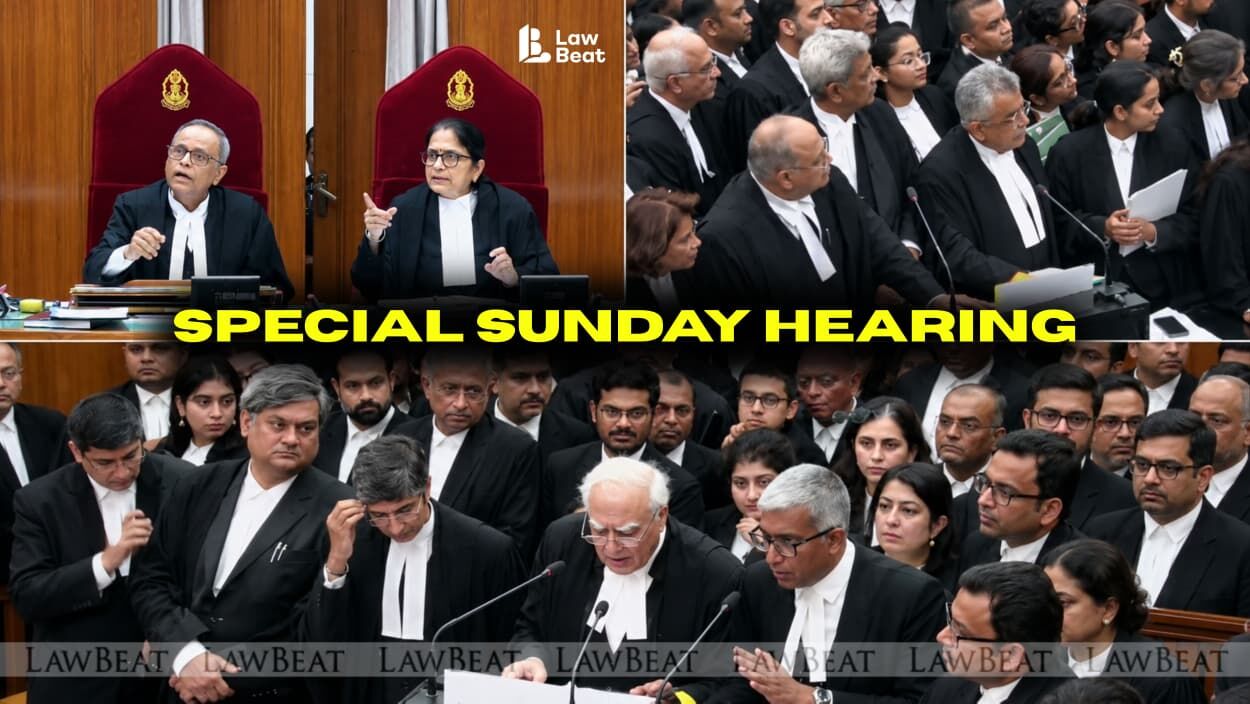
The Supreme Court of India recently took cognizance of a contempt petition alleging non-compliance with its prior directive issued on 9 October 2026. The apex court, convening on a Sunday for an urgent hearing, has formally sought responses from the concerned authorities regarding the alleged violations. This action comes after petitions were filed detailing widespread disruptions and detentions in Delhi on 10 October, the day immediately following the initial order.
Despite the urgency of the matter, the Supreme Court did not grant any ad interim relief at this preliminary stage. Instead, it acknowledged assurances provided by the government and has directed the authorities to submit their explanations. The Court explicitly stated that it has not yet formed a judgment on the merits of the claims, indicating that a full examination of the facts is still pending.
Allegations of Widespread Disruption and Detention
Lawyers presenting the contempt petition before the Supreme Court outlined a series of events from 10 October that they contend constitute a deliberate and wilful disregard for the 9 October 2026 order. They reported significant disruptions to public life in Delhi, including improper functioning of Metro services and the complete closure of key railway hubs like New Delhi and Nizamuddin stations. Numerous traffic advisories were issued, contributing to a sense of paralysis across the city.
Further allegations included extensive internet shutdowns, which, combined with the transport issues, created an atmosphere akin to a curfew, severely impacting the movement of both people and goods. Petitioners also highlighted instances of harassment and detention of individuals, with some arrests reportedly occurring even outside areas designated under prohibitory orders issued under Section 163 of the BNSS. Senior advocate Dr. Guruswamy emphasized that the habeas corpus petition extended beyond a few named individuals, asserting that it concerned the alleged illegal detention of approximately 7,000 people across the city. Another woman advocate recounted her personal experience, detailing how about 150 lawyers, after gathering near MC Setalvad chambers for a peaceful march, witnessed four individuals being apprehended at a red light and transported in a prison van, with a woman officer responsible for her own detention.
Legal Context and Future Implications
The ongoing India Supreme Court contempt proceedings underscore the critical importance of judicial orders, particularly concerning fundamental rights and public order. The alleged violations, including the `Delhi metro closure internet shutdown legal` issues and detentions, directly challenge the enforceability of the Supreme Court's directives. The Court's eventual ruling will be pivotal in clarifying the extent to which executive actions, such as imposing `Section 163 of the BNSS prohibitory order violation` or conducting mass detentions, must adhere to judicial pronouncements, even during periods of civil unrest.
This case, rooted in a `habeas corpus petition illegal detention India`, carries significant weight for future legal interpretations regarding state powers versus individual liberties. The Supreme Court's decision, especially concerning the `Supreme Court contempt petition Delhi 9 October 2026 order`, will set a precedent for how judicial orders are to be respected and implemented by authorities. It will also offer crucial guidance on the balance between maintaining public order and safeguarding citizens' rights to movement, communication, and freedom from arbitrary detention, thereby impacting future compliance strategies for both governmental bodies and the public.
Practical Implications
Lawyers should closely monitor the Supreme Court's proceedings on this contempt petition, as its eventual ruling will clarify the enforceability of judicial orders regarding public movement, internet access, and detention powers during civil unrest, potentially impacting future compliance strategies for businesses and individuals in similar situations.
Source
How does this affect you?
Get an AI analysis of this article grounded in your jurisdictions, practice areas, and any policy documents you've uploaded to Wansom.
Finish Reading the Full Story and the Expert Analysis.
Get the latest legal & regulatory intelligence in India
Wansom is AI and can make mistakes.