
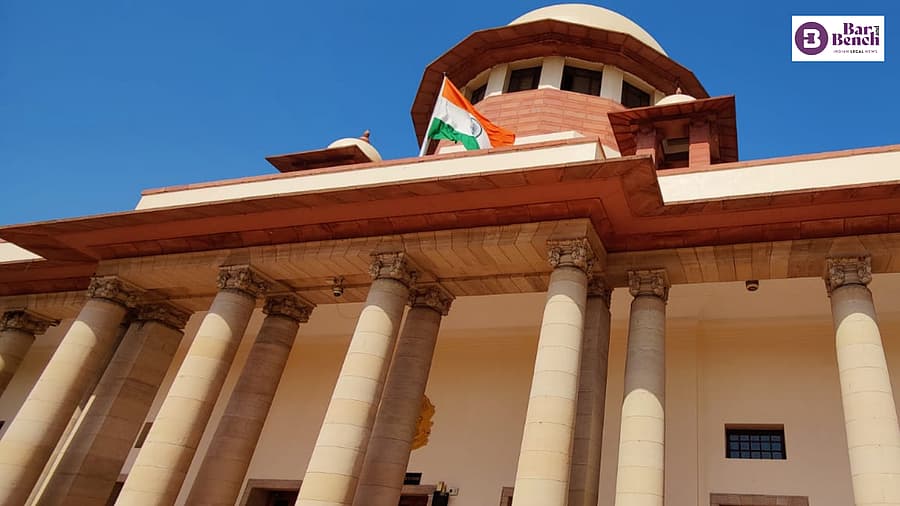
Supreme Court India: States Must Detail Consumer Commission Vacancies Plan
Summary
- The Supreme Court directed all states to respond within three weeks to a report highlighting vacancies in district and state consumer commissions.
- States must also explain compliance with a July 22, 2026 order concerning pay and allowances for commission members.
- The Court noted an NCDRC President's report on vacancies and pendency, emphasizing its serious consideration.
- Key concerns include the appointment process for members and the transition to a new enactment, with existing members continuing only until September 6.
- The Supreme Court initiated this suo motu case to address nationwide vacancies, staff shortages, and mounting case backlogs, including nearly 18,000 cases at the NCDRC alone.
Supreme Court Intervenes on Consumer Commission Vacancies
The Supreme Court's proactive stance underscores the critical need to fortify the consumer dispute resolution mechanism across India.
India's Supreme Court has issued a directive to all states, requiring them to respond within three weeks to a status report detailing significant vacancies within district and state consumer commissions. This order came from a bench comprising Chief Justice of India Surya Kant, alongside Justices Joymalya Bagchi and V Mohana. The court's intervention highlights a critical issue impacting consumer dispute resolution nationwide.
Beyond addressing current staffing shortfalls, the Supreme Court also instructed states to provide an explanation regarding their compliance with a previous order from July 22, 2026. This earlier directive specifically concerned the pay and allowances for members serving on these commissions. The comprehensive nature of the court's inquiry signals a concerted effort to address both the operational capacity and the welfare of personnel within these vital judicial bodies.
Further emphasizing the gravity of the situation, the Supreme Court took formal notice of a report submitted by the President of the National Consumer Disputes Redressal Commission (NCDRC). This crucial document specifically outlined the extent of vacancies and the mounting pendency of cases across various consumer commissions. The Court underscored that the findings presented in the NCDRC President's report warrant serious and immediate consideration.
Addressing Systemic Challenges
The NCDRC President's report brought to light several key systemic challenges, particularly focusing on the appointment process for commission members and the complexities arising from the transition to a new enactment. A significant concern is that members appointed under the previous legal framework are only authorized to continue in their roles until September 6, creating potential gaps in judicial capacity.
In response to these transitional hurdles, Attorney General R Venkataramani proposed a pragmatic solution: selection processes that commenced under the old law could be permitted to conclude, provided they adhere to the terms and conditions stipulated by the new enactment. This suggestion aims to ensure continuity and prevent further disruption. The Chief Justice of India reinforced this sentiment, stating that no tribunal should become non-functional simply due to the ongoing transition.
This entire proceeding stems from a suo motu case initiated by the Supreme Court itself, reflecting its proactive approach to judicial administration. The primary objective of this self-initiated case is to thoroughly examine the widespread vacancies, staff shortages, and the escalating pendency of cases that plague consumer commissions throughout the country. The Supreme Court's directives on consumer commissions are thus a direct response to these identified systemic issues.
Implications for Dispute Resolution
The persistent issue of pendency poses a significant threat to the efficiency of consumer justice. The NCDRC alone, for instance, is currently grappling with a substantial backlog of nearly 18,000 pending cases. Such figures underscore the urgent need for a structured plan to address both the vacancies and the overall operational efficacy of these commissions.
The Supreme Court's proactive stance underscores the critical need to fortify the consumer dispute resolution mechanism across India. By demanding responses from states and seriously considering the NCDRC's findings, the Court is pushing for a comprehensive solution to ensure that consumer rights are protected through timely and effective adjudication. The matter is scheduled to be heard again on September 8, indicating the Court's ongoing commitment to monitoring progress and ensuring accountability in this vital sector.
Practical Implications
Lawyers should monitor the Supreme Court's directives and the progress on addressing vacancies and pendency in consumer commissions, as these developments will directly impact the efficiency and timelines of consumer dispute resolution in India. The ongoing transition to the new enactment also has implications for commission appointments and the validity of selection processes.
Source
How does this affect you?
Get an AI analysis of this article grounded in your jurisdictions, practice areas, and any policy documents you've uploaded to Wansom.
Finish Reading the Full Story and the Expert Analysis.
Wansom is AI and can make mistakes.