
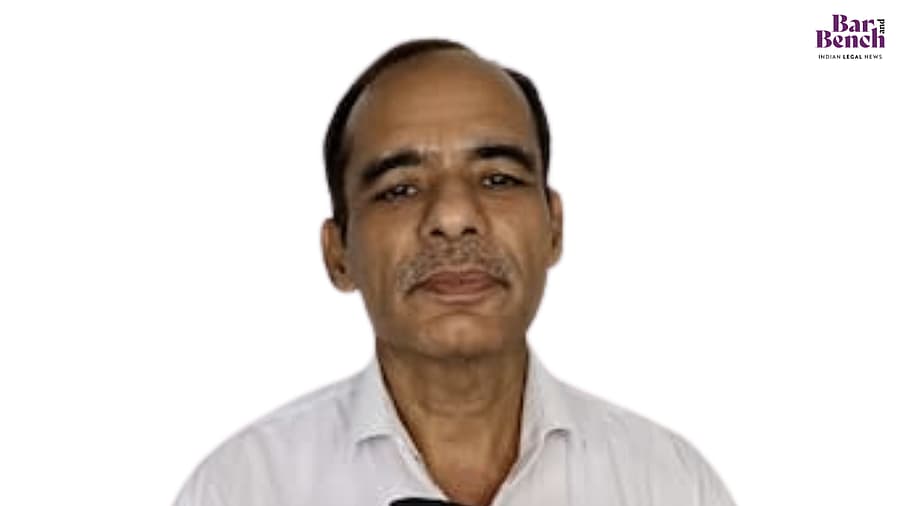
Supreme Court: Gulshan Pahuja Sentence Suspended, Released From Custody
Summary
- The Supreme Court suspended the six-month prison sentence of YouTuber Gulshan Pahuja for contempt of court.
- Pahuja was ordered released from jail after having already served 48 days of his sentence.
- The Delhi High Court had convicted Pahuja in May for criminal contempt due to scandalous comments about the judiciary in his videos and arguments.
- The High Court's sentence included six months imprisonment and a ₹2,000 fine.
- The Supreme Court issued notice to the Delhi High Court regarding Pahuja's appeal against the conviction.
Supreme Court Grants Interim Relief
The Supreme Court's decision to suspend the sentence of Gulshan Pahuja underscores its critical role in reviewing contempt of court convictions, particularly those involving public criticism of the judiciary.
India's Supreme Court on Thursday ordered the suspension of the prison sentence handed down to YouTuber Gulshan Pahuja, who had been convicted of contempt of court. A bench comprising Justices Dipankar Datta and Sheel Nagu directed Pahuja's immediate release from custody, noting that he had already served 48 days of his sentence.
The apex court also issued a formal notice to the Delhi High Court, seeking its response to Pahuja's appeal against the contempt conviction. The specific order from the Supreme Court stated: "Notice on appeal and application for interim relief. Sentence suspended. Order Dasti. Petitioner shall be released."
Pahuja's legal counsel argued before the Supreme Court that his client's actions were primarily aimed at drawing attention to perceived systemic issues within the judicial system. Following the suspension of the sentence, the bench inquired of the counsel, "What do you want now? You have already been granted suspension of sentence," to which the counsel expressed gratitude to the court.
The Delhi High Court's Contempt Ruling
The Supreme Court's intervention follows a ruling by the Delhi High Court in May of this year, which had found Gulshan Pahuja guilty of criminal contempt of court. For his actions, the High Court had sentenced Pahuja to six months of imprisonment and imposed a fine of ₹2,000.
The contempt charges stemmed from Pahuja's dissemination of what the High Court deemed "scandalous comments about the judiciary." These remarks were made both in his online videos and during arguments he presented before the court. The High Court specifically highlighted Pahuja's comparisons of the judiciary to a dictatorship, as well as his assertion that he expected no justice from the Indian judicial system.
Furthermore, the Delhi High Court noted Pahuja's allegations that "adaalaton ki manmarzi badhti jaa rahi," which translates to an increasing arbitrariness of the courts, contributing to the finding of criminal contempt.
Implications for Judicial Scrutiny and Free Speech
The `Supreme Court Gulshan Pahuja sentence suspended` decision highlights the crucial appellate function of India's highest court, demonstrating its power to review and intervene in `criminal contempt India` cases. This development offers a significant moment for the `Indian Supreme Court suspension of sentence` authority, especially in instances stemming from a `Delhi High Court contempt ruling` against individuals like Pahuja, a YouTuber known for `YouTuber allegations judiciary India`.
The case underscores the delicate balance between protecting judicial integrity and upholding freedom of expression, particularly for public figures who engage with digital media. The Supreme Court's decision to issue notice on the appeal and grant interim relief, even after a High Court has imposed a definitive sentence, provides an important check on the exercise of contempt powers. The Supreme Court's decision to suspend the sentence of Gulshan Pahuja underscores its critical role in reviewing contempt of court convictions, particularly those involving public criticism of the judiciary. This action by Justices Dipankar Datta and Sheel Nagu reinforces the Supreme Court's role as the ultimate arbiter, offering a potential avenue for relief and ensuring a thorough review of convictions that touch upon fundamental rights.
Practical Implications
This development underscores the Supreme Court's role in reviewing contempt of court sentences, particularly those involving public criticism of the judiciary. Lawyers advising clients on freedom of speech, especially in digital media, should note this case as it may influence how future contempt proceedings are handled and appealed, offering a potential avenue for relief even after a High Court conviction.
Source
How does this affect you?
Get an AI analysis of this article grounded in your jurisdictions, practice areas, and any policy documents you've uploaded to Wansom.
Finish Reading the Full Story and the Expert Analysis.
Wansom is AI and can make mistakes.