
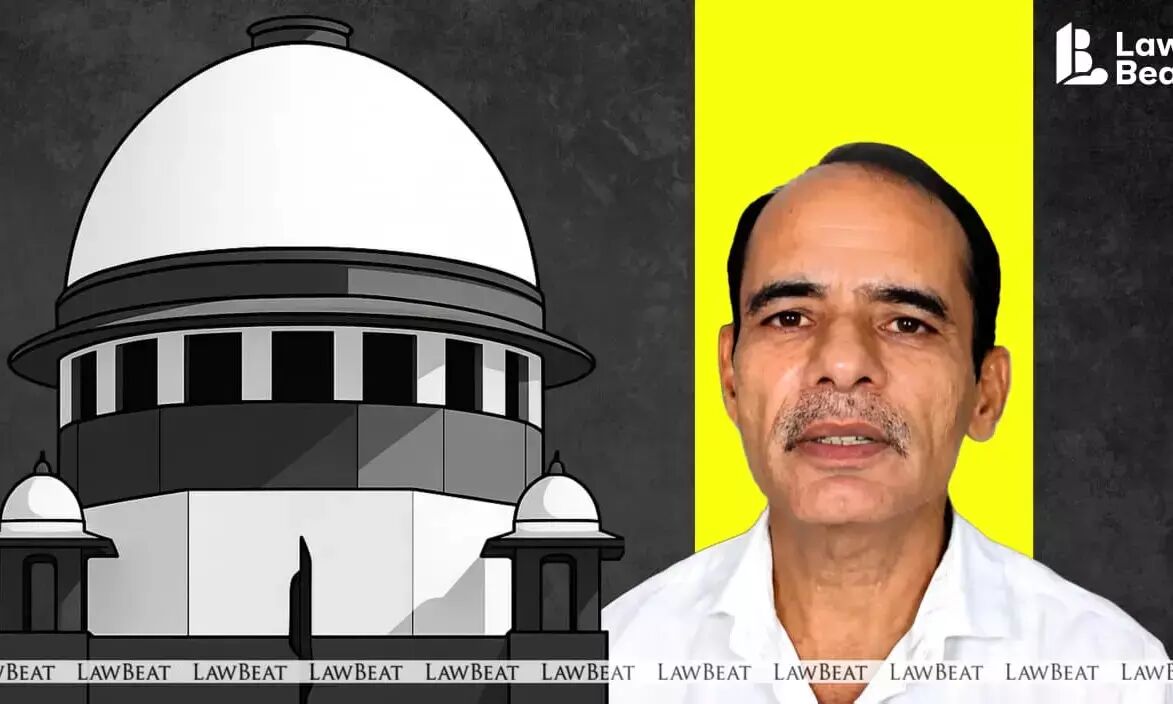
Supreme Court: Suspends Gulshan Pahuja Contempt Sentence, Orders Release
Summary
- The Supreme Court has suspended YouTuber Gulshan Pahuja's six-month criminal contempt sentence and ordered his release after he served approximately 48 days.
- Pahuja was convicted by the Delhi High Court for making remarks against the judiciary in videos on his "Fight 4 Judicial Reforms" YouTube channel.
- The Delhi High Court found Pahuja guilty of scandalizing the court and noted his complete lack of remorse, which aggravated his sentence.
- Pahuja's appeal against the Delhi High Court's judgment and his application for interim relief are now pending before the Supreme Court.
- The case highlights the judiciary's firm stance against public remarks that undermine its authority and the significance of demonstrating repentance in contempt proceedings.
Supreme Court Suspends Contempt Sentence
His persistent defiance and lack of regret, as noted by the Delhi High Court, significantly aggravated the penalties, highlighting how a contemnor's attitude can influence judicial outcomes in matters concerning the judiciary's authority.
India's Supreme Court has temporarily halted the six-month criminal contempt sentence imposed on YouTuber Gulshan Pahuja, ordering his immediate release from custody. The decision, handed down by a bench comprising Justices Dipankar Datta and Sheel Nagu, came after Pahuja had already spent approximately 48 days incarcerated. The apex court issued notice on Pahuja's appeal, which challenges the Delhi High Court's judgment finding him guilty of contempt, and also on his application seeking interim relief. The directive for his release was served dasti, ensuring swift action.
This interim order means that Gulshan Pahuja, known for his YouTube channel "Fight 4 Judicial Reforms," will remain out of custody while his appeal against the Delhi High Court's ruling proceeds before the Supreme Court. The Delhi High Court had previously sentenced Pahuja to six months of simple imprisonment and levied a fine of Rs. 2,000 in May, following his conviction for criminal contempt. The charges stemmed from remarks he made against the judiciary in videos uploaded to his platform, which the High Court deemed to have scandalized the court and lowered its authority.
Delhi High Court's Findings on Contempt
The Delhi High Court's judgment, dated April 21, found Pahuja guilty of criminal contempt, specifically noting that his actions had "scandalised the court and lowered the authority of the Court." A Division Bench of the High Court, including Justice Navin Chawla and Justice Ravinder Dudeja, highlighted Pahuja's complete lack of remorse throughout the proceedings. The court observed that he showed "no regret" for his conduct and did not suggest any "course correction," instead maintaining that his actions were intended to improve the judicial system.
During the sentencing hearing, Pahuja further aggravated his contempt with additional remarks before the High Court, stating, "adaalaton ki manmarzi badhti jaa rahi hai aur main koi nyay ki umeed nahi kar raha" (the arbitrariness of courts is increasing, and I am not hoping for any justice) and adding that "manmarzi ka dusra arth taanashahi hota hai" (arbitrariness means dictatorship). These statements were seen by the High Court as compounding his original contempt, leading the judges to conclude that he was "neither repentant nor deserves any mercy." The contempt proceedings originated from videos Pahuja uploaded, featuring interviews with advocates Shiv Narayan Sharma and Deepak Singh, which allegedly contained derogatory allegations against judges and courts, prompting three judicial officers to refer the matter for contempt action.
Judiciary's Stance and Appellate Review
The Supreme Court's intervention underscores its role in the appellate review of contempt proceedings, particularly in cases involving remarks against the judiciary. During the hearing, the Supreme Court bench itself observed the gravity of Pahuja's actions, noting, "Judicial officers, you bring them charge of corruption without any supporting material. You tarnish image of judicial officers, and you know how social media reacts. The entire career of the judicial officer is at stake." This statement reflects the judiciary's strict stance against unsubstantiated allegations that can undermine public trust and the integrity of judicial officers.
This case, involving Gulshan Pahuja's criminal contempt in India, reinforces the critical importance of demonstrating remorse in such proceedings. While the two advocates interviewed in Pahuja's videos tendered unconditional apologies and were discharged after explaining they were unaware of the objectionable online uploads, Pahuja consistently defended his actions as part of a campaign for judicial reforms, including the audio-video recording of court proceedings. His persistent defiance and lack of regret, as noted by the Delhi High Court, significantly aggravated the penalties, highlighting how a contemnor's attitude can influence judicial outcomes in matters concerning the judiciary's authority.
Practical Implications
This case highlights the Supreme Court's appellate review in contempt proceedings and reinforces the judiciary's strict stance against public remarks that scandalize the court. Lawyers should advise clients, especially those with public platforms, on the severe implications of contempt of court and the critical importance of demonstrating remorse, as a lack thereof can significantly aggravate penalties.
Source
Source: Original reporting via Live Law
How does this affect you?
Get an AI analysis of this article grounded in your jurisdictions, practice areas, and any policy documents you've uploaded to Wansom.
Finish Reading the Full Story and the Expert Analysis.
Wansom is AI and can make mistakes.