
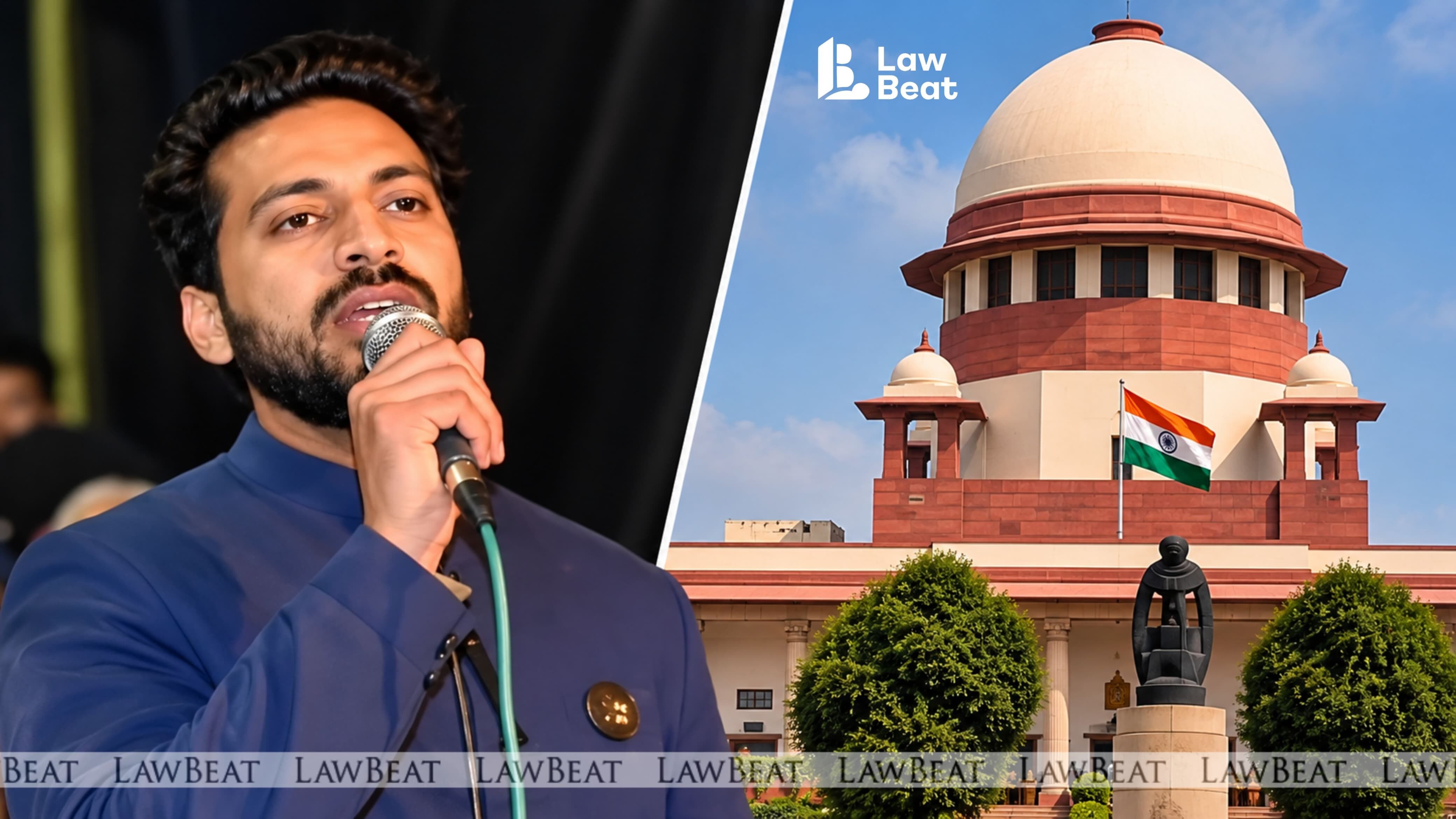
Supreme Court: Shadab Ahmed Ghaziabad Law College Bail Conditions Denied
Summary
- The Supreme Court declined to relax bail conditions for Shadab Ahmed, an accused in the 2020 Delhi riots, on October 26, 2026.
- Ahmed sought permission to attend law college in Ghaziabad and a reduction in his twice-weekly police reporting requirement.
- Justices Aravind Kumar and Vipul M. Pancholi directed Ahmed to approach the trial court, stating existing bail conditions already allowed for such requests.
- The Court noted that the travel restriction condition permitted movement outside Delhi with prior trial court permission, making Supreme Court intervention unnecessary.
- Ahmed's application was withdrawn from the Supreme Court, with liberty granted to pursue the modifications at the trial court.
Supreme Court Directs Delhi Riots Accused to Trial Court for Bail Condition Modifications
The Supreme Court's decision underscored the principle that requests for modification of existing bail conditions, even for seemingly minor adjustments, should first be addressed at the trial court level if the original order provides such a pathway.
On October 26, 2026, the Supreme Court of India declined a request from Shadab Ahmed, an accused in the 2020 Delhi riots cases, to relax his existing bail conditions. Ahmed had sought permission to attend law classes in Ghaziabad and a reduction in the frequency of his mandatory weekly reporting to the police. A bench comprising Justices Aravind Kumar and Vipul M. Pancholi instructed Ahmed to approach the trial court for these modifications, emphasizing that the existing bail order already provided a mechanism for such relief.
Ahmed's counsel subsequently withdrew the application from the Supreme Court, with the explicit liberty to pursue the requested changes before the trial court. This decision by the apex court underscores a judicial preference for initial recourse to lower courts when existing legal frameworks are already in place to address an applicant's concerns regarding their bail conditions.
Details of Shadab Ahmed's Request
Shadab Ahmed, who was granted bail in January 2026, had secured admission to a law college situated in Ghaziabad. He had also applied for a three-year law course at Delhi University. His daily class schedule, running from 10 am to 3 pm, presented a conflict with his current bail obligations. Given that Ghaziabad lies outside the National Capital Territory, attending classes would necessitate daily travel beyond Delhi's geographical limits.
Ahmed's legal representative argued that his client was actively seeking to reform himself through education, making the requested adjustments crucial for his future. Additionally, a separate bail condition mandated Ahmed to report to the Delhi Police Crime Branch twice weekly, specifically on Mondays and Thursdays, between 10 am and noon. This reporting window directly overlapped with his proposed class timings, prompting the request for a reduction to a single weekly reporting session. Counsel also referenced a similar relaxation granted to co-accused Meeran Haider on September 25, suggesting Ahmed was similarly situated and deserved comparable consideration for his bail condition modification India.
Judicial Scrutiny of Existing Bail Conditions
The Supreme Court meticulously reviewed the specifics of Shadab Ahmed's bail conditions. Regarding the travel restrictions, the Court noted that the original order required Ahmed to reside within Delhi but explicitly permitted travel beyond its boundaries with the prior permission of the trial court. This provision stipulated that any such request must be accompanied by valid reasons and would be assessed on its merits by the trial court.
Justice Aravind Kumar repeatedly highlighted that the mechanism for travel outside Delhi was already embedded within the existing condition, meaning the relief sought did not necessitate an alteration of the bail order itself. Consequently, the Supreme Court found no grounds to intervene at its level for the travel aspect. Despite counsel's contention that the reporting condition was distinct and could only be modified by the Supreme Court, the bench maintained its stance, directing that all requests for bail condition modification, including the reduction in reporting frequency, be presented to the trial court, thereby reinforcing the principle of trial court jurisdiction bail conditions.
Implications for Bail Condition Modification
The Supreme Court's decision in Shadab Ahmed's case serves as a significant directive regarding the process for modifying bail conditions. It clearly articulates that when an existing bail order already contains provisions or mechanisms for addressing specific requests, such as travel permissions or adjustments to reporting schedules, applicants must first exhaust these avenues at the trial court level. The Court's unwillingness to directly interfere, even for seemingly minor adjustments like attending classes or altering reporting frequency, underscores its emphasis on procedural propriety and the hierarchy of judicial remedies.
This ruling reinforces the principle that the apex court will direct applicants back to the trial court if existing bail orders already provide a mechanism for such relief. It highlights the importance for individuals and their legal counsel to thoroughly understand the scope and flexibility inherent in initial bail conditions, as the Supreme Court expects these established channels to be utilized before seeking intervention from higher judicial authorities for Shadab Ahmed travel restrictions or other adjustments.
Practical Implications
Lawyers advising clients on bail conditions should note the Supreme Court's emphasis on exhausting remedies at the trial court level for modification requests, even for seemingly minor adjustments like attending classes or reporting frequency. The ruling reinforces that the apex court will direct applicants back to the trial court if existing bail orders already provide a mechanism for such relief, highlighting the importance of understanding the scope and flexibility of initial bail conditions.
Source
How does this affect you?
Get an AI analysis of this article grounded in your jurisdictions, practice areas, and any policy documents you've uploaded to Wansom.
Finish Reading the Full Story and the Expert Analysis.
Wansom is AI and can make mistakes.