
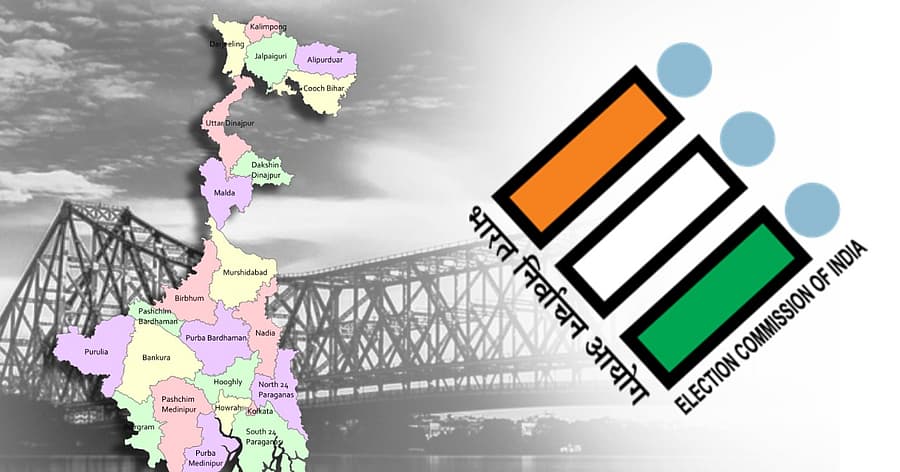
ECI Clarifies West Bengal Voter Appeals: CEO Officials Filed Supreme Court Cases
Summary
- The Election Commission of India informed the Supreme Court that appeals against West Bengal voter inclusions were filed by the State CEO's office.
- The ECI stated these specific appeals were never presented to the Commission for its review.
- The clarification was part of an ECI counter-affidavit responding to petitions questioning the Chief Election Commissioner's functioning.
- The West Bengal CEO's office confirmed its officers filed the appeals under the Representation of the People Act, citing Supreme Court orders.
- The voters whose inclusions were challenged were already on electoral rolls, eligible to vote, and had favorable judicial orders.
What Happened
This clarification from the ECI is significant for understanding the administrative structure and delegation of powers within India's electoral system, particularly concerning challenges to voter rolls.
The Election Commission of India (ECI) recently clarified to the Supreme Court that appeals contesting the inclusion of voters in West Bengal's electoral rolls were initiated by officials from the State Chief Electoral Officer's (CEO) office. The ECI emphasized that these specific matters were never brought to its attention or placed before the Commission for review or decision. This disclosure came as part of a counter-affidavit submitted by the ECI to the apex court.
This affidavit was filed in response to broader petitions that have raised questions concerning the operational conduct of the Chief Election Commissioner (CEC). A key point of contention within these petitions revolved around identifying the specific authority responsible for authorizing the filing of such appeals against voter inclusions. The ECI's submission directly addressed this query, providing a definitive answer regarding the origin of these challenges.
Legal Context
In its affidavit, the ECI substantiated its position by referencing a communication received from the West Bengal CEO's office. This letter, dated October 22, 2026, explicitly stated that the appeals were filed by officers within the CEO's office, acting in their designated capacity as authorities under the Representation of the People Act (RP Act). The ECI's affidavit, which was submitted to the Supreme Court four days after the date of this letter, thus relied on this internal communication to delineate the chain of command and responsibility.
The ECI further noted that these officers possessed the requisite authority to file the appeals, an authority derived from previous orders issued by the Supreme Court itself. Crucially, the Commission reiterated that despite the legal basis for these appeals, the specific cases were not presented to the ECI for its consideration. This distinction underscores the operational autonomy of the State CEO's office in certain electoral processes, even while operating under the broader framework of the ECI.
Why It Matters
This clarification from the ECI is significant for understanding the administrative structure and delegation of powers within India's electoral system, particularly concerning challenges to voter rolls. It delineates the roles of the central Election Commission versus state-level electoral authorities, indicating that certain actions, like filing appeals against voter inclusions, can originate at the state CEO level without direct ECI oversight in every instance. This distinction is vital for legal practitioners and citizens seeking to understand the proper channels for electoral grievances and the specific authority responsible for initiating such legal actions.
Furthermore, the ECI's affidavit provided details about the voters whose inclusions were challenged. It confirmed that these individuals were already listed on the electoral rolls and had been eligible to cast their votes in the most recent Assembly elections. The Commission also highlighted that all necessary documentation for these voters was available on the official portal and that a favorable order had been previously issued in their favor by a learned Judicial Officer, reinforcing their legitimate status as voters and underscoring the established legal process they had already undergone.
Practical Implications
Lawyers involved in election petitions or voter rights cases should note the ECI's clarification regarding the authority for filing appeals against voter inclusions. This distinction between the ECI and the State CEO's office is crucial for identifying the correct respondent, understanding jurisdictional boundaries, and assessing the legal standing of such appeals in future challenges.
Source
Source: Based on recent legal reporting
How does this affect you?
Get an AI analysis of this article grounded in your jurisdictions, practice areas, and any policy documents you've uploaded to Wansom.
Finish Reading the Full Story and the Expert Analysis.
Wansom is AI and can make mistakes.