
Supreme Court: Athar Khan UAPA Bail Adjournment Granted for 4 Weeks
Summary
- The Supreme Court adjourned Athar Khan's UAPA bail plea for four weeks on October 16, 2026.
- The adjournment allows Khan to file a rejoinder to the Delhi Police's counter-affidavit.
- Khan has been in custody since July 2020 in connection with the Delhi Riots 2020 conspiracy case.
- His bail plea to the Supreme Court cites prolonged incarceration and trial delay as primary grounds.
- Lower courts previously denied bail, citing prima facie evidence and stringent UAPA Section 43D(5) requirements.
Supreme Court Adjourns UAPA Bail Plea
A decision that acknowledges the impact of extended pre-trial detention could offer a new avenue for relief for other individuals accused under the UAPA, where trials often stretch for years.
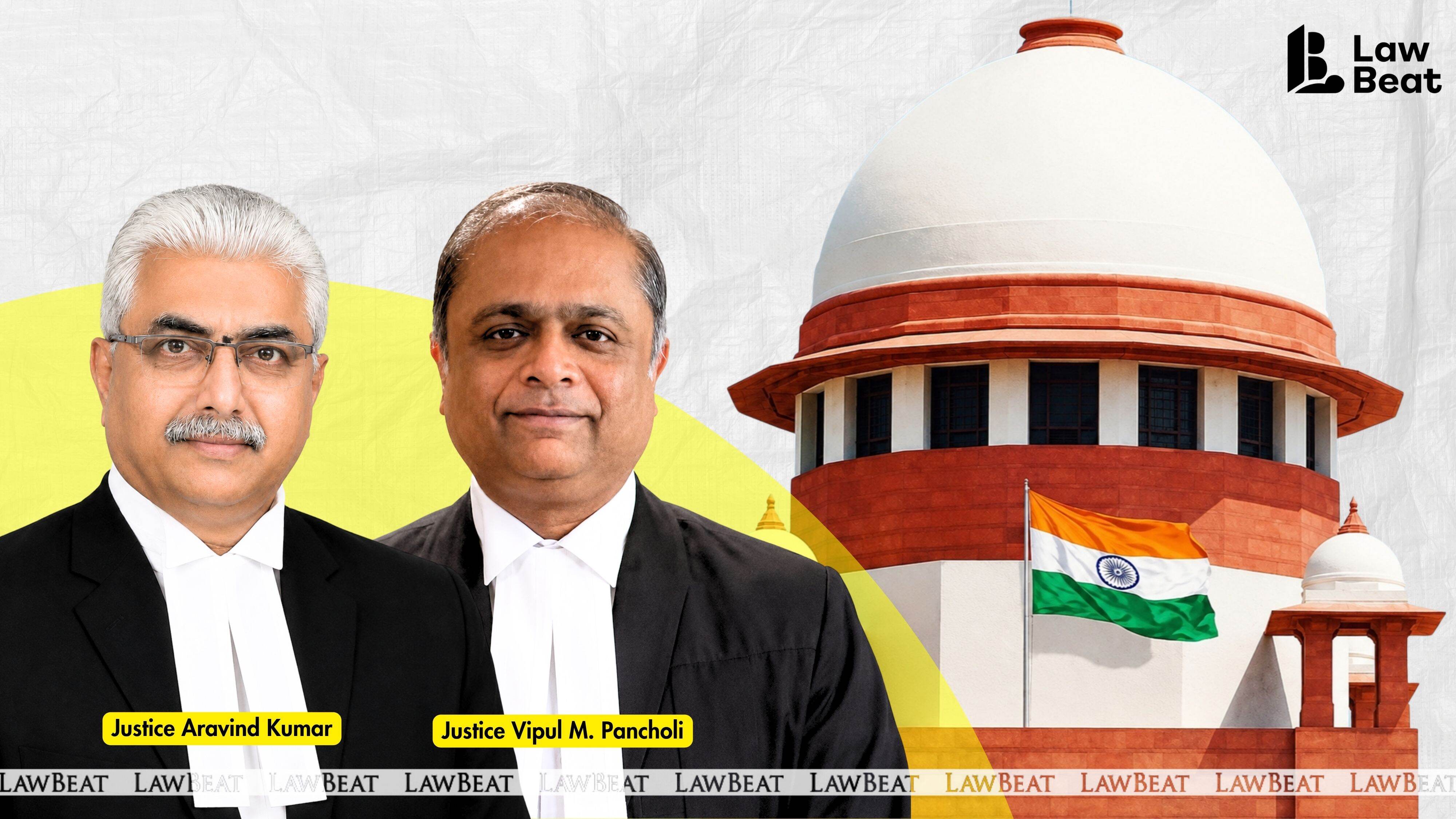
The Supreme Court of India recently postponed the hearing for a bail application filed by Athar Khan, an individual accused in a case under the Unlawful Activities (Prevention) Act (UAPA). On October 16, 2026, a bench comprising Justices Aravind Kumar and Vipul M. Pancholi deferred the proceedings for a period of four weeks.
This decision followed the submission of a counter-affidavit by the Delhi Police just one day prior to the scheduled hearing. During the session, Additional Solicitor General S.V. Raju, representing the Delhi Police, confirmed that the police's response to Khan's plea had been filed. In light of this, the Court granted Athar Khan the opportunity to submit a rejoinder to the police's affidavit. The matter, Athar Khan v. State of NCT of Delhi, will be relisted for further consideration once Khan's rejoinder is on record, marking another procedural step in this significant legal battle.
Background of the Delhi Riots Conspiracy Case
Athar Khan is among several individuals facing prosecution in connection with the alleged "larger conspiracy" behind the communal unrest that occurred in northeast Delhi in February 2020. The Delhi Police's case posits that Khan played a role in organizing the Chand Bagh protest site and was involved in the broader conspiracy leading to the violence. He has been held in custody since July 2020 and faces charges not only under the UAPA but also under the Indian Penal Code (IPC), the Arms Act, and the Prevention of Damage to Public Property Act.
Khan's attempts to secure bail have been unsuccessful at lower judicial levels. His initial bail application was rejected by the trial court on January 29, after which he appealed to the Delhi High Court. The High Court subsequently denied him bail, concluding that the evidence presented against him, including alleged chats recovered from co-accused Ovais Sultan Khan and testimony from a protected witness identified as "Pluto," prima facie indicated his involvement as a key conspirator. The High Court further determined that Khan had not met the stringent criteria for bail stipulated under Section 43D(5) of the UAPA, nor the general principles governing bail grants.
Grounds for Appeal Before the Apex Court
In his appeal to the Supreme Court, Athar Khan is challenging the Delhi High Court's assessment and its refusal to grant him bail. His primary arguments for release are centered on his prolonged incarceration and the significant delay in the commencement of his trial. He also seeks parity with co-accused Shadab Ahmad, implying similar circumstances should warrant similar judicial treatment.
Khan has actively disputed the evidence presented by the prosecution, contending that no weapon was recovered from his possession. Furthermore, he has highlighted the absence of any CCTV footage that would show his direct participation in the alleged violence. The Supreme Court had previously issued notice on Khan's plea in August, indicating its intent to review the High Court's order and the arguments put forth by the accused.
Implications for UAPA Bail Jurisprudence
The Supreme Court's eventual ruling in Athar Khan's case carries substantial weight for the interpretation and application of bail provisions under the Unlawful Activities (Prevention) Act. The Court's consideration of prolonged incarceration as a valid ground for bail, particularly in the context of the stringent Section 43D(5) of UAPA, could establish a critical precedent. This section places a high bar for bail, requiring the court to be satisfied that there are reasonable grounds for believing that the accusation against the person is prima facie untrue.
A decision that acknowledges the impact of extended pre-trial detention could offer a new avenue for relief for other individuals accused under the UAPA, where trials often stretch for years. The outcome will be closely watched by legal practitioners and human rights advocates, as it could influence defense strategies in future UAPA cases and potentially reshape how courts balance national security concerns with an accused's right to a speedy trial and personal liberty.
Practical Implications
Lawyers and compliance officers handling UAPA cases, particularly those involving prolonged pre-trial detention, should closely monitor the Supreme Court's eventual decision in Athar Khan's bail plea. The Court's assessment of prolonged incarceration as a ground for bail, especially in light of the stringent Section 43D(5) of UAPA, could establish important precedents for future bail applications and impact defense strategies in similar cases.
Source
How does this affect you?
Get an AI analysis of this article grounded in your jurisdictions, practice areas, and any policy documents you've uploaded to Wansom.
Finish Reading the Full Story and the Expert Analysis.
Get the latest legal & regulatory intelligence in India
Wansom is AI and can make mistakes.