
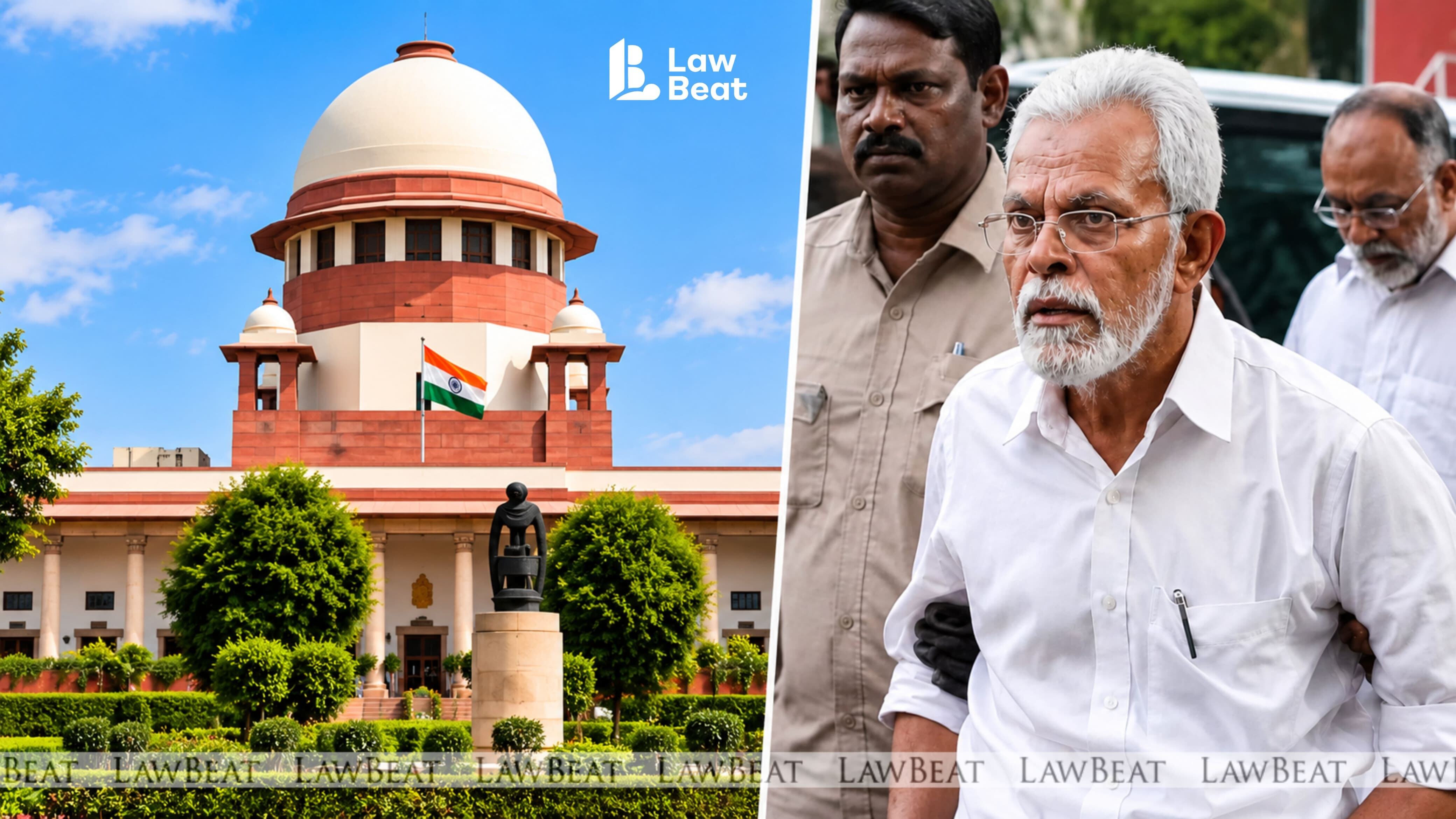
Supreme Court: Abubacker E Max Hospital Treatment Conditions Set
Summary
- The Supreme Court permitted PFI former Chairman Abubacker E to receive treatment at Max Hospital, Saket, under strict conditions.
- Justices MM Sundresh and PB Varale mandated that Abubacker bear the costs for both his medical treatment and police escort.
- Only one of Abubacker's two sons is allowed to attend him at the hospital at any given time, and no mobile phones are permitted.
- Max Hospital must submit a report detailing the treatment course and estimated duration of hospitalization.
- This order follows the court's recent directive to frame charges against 25 PFI members under the UAPA, citing a "grave suspicion" of a conspiracy.
Supreme Court Mandates Strict Conditions for PFI Chairman's Hospital Treatment
The Supreme Court's detailed directives establish a significant precedent for managing medical care for individuals in custody, particularly those facing charges under stringent laws like the UAPA.
The Supreme Court of India has granted permission for Abubacker E, the former chairman of the Popular Front of India (PFI), to receive medical treatment at Max Hospital, Saket. This decision, issued by a bench comprising Justices MM Sundresh and PB Varale, came in response to Abubacker's medical bail plea. The court's order, however, is contingent upon a series of stringent conditions, ensuring both the accused's access to necessary medical care and the maintenance of security protocols.
Under the Supreme Court Abubacker E Max Hospital treatment conditions, the PFI former Chairman Abubacker E is personally responsible for all medical expenses incurred during his hospitalization. Furthermore, he must also cover the costs associated with the police escort required for his security. The court explicitly directed that police personnel are to maintain a constant guard over Abubacker throughout his stay at the facility, underscoring the security concerns surrounding a UAPA accused hospital treatment India.
Detailed Directives on Custody and Family Access
Beyond financial and security stipulations, the Supreme Court's order outlined precise rules regarding Abubacker's custody and interaction with family. The court mandated that neither Abubacker nor his designated attendant would be permitted to possess a mobile phone or any other "objectionable item" while at the hospital. Regarding family presence, only one of his two sons is allowed to attend him at any given time, with the sons permitted to take turns. The bench further required that the names of both sons be provided and formally incorporated into the judicial order.
The Justices MM Sundresh PB Varale order also placed reporting obligations on Max Hospital Saket PFI treatment. The medical facility is required to submit a comprehensive report detailing the planned course of treatment and the estimated duration of Abubacker's hospitalization. The Supreme Court has kept the matter pending, emphasizing that a medical assessment and the ongoing necessity for treatment must be presented to the court for further review. The National Investigation Agency Abubacker, represented by Additional Solicitor General SV Raju, was present during the proceedings.
Broader Legal Context and Judicial Perspective
This ruling concerning Abubacker E, who is associated with the banned PFI organization, arrives shortly after the same court directed the framing of charges against 25 PFI members. These charges were brought under provisions of the Indian Penal Code and the Unlawful Activities (Prevention) Act (UAPA), with the court noting a "grave suspicion" of a wider conspiracy aimed at overthrowing the elected government. The current decision on medical treatment, therefore, navigates the complex intersection of severe legal accusations and fundamental humanitarian considerations.
During the hearing, counsel for Abubacker expressed gratitude for the court's "kindness" and acknowledged the role of "humanity in our profession." Justice Sundresh, reflecting on the judicial role, remarked on the necessity for judges to blend legal principles with "sympathies," distinguishing the court's perspective from purely legal knowledge. The court also referenced a previous Supreme Court order which affirmed that the duration of hospitalization should be determined by medical professionals, not legal counsel, reinforcing the medical nature of the assessment for Abubacker's continued treatment.
Implications for Custodial Medical Care
The Supreme Court's detailed directives establish a significant precedent for managing medical care for individuals in custody, particularly those facing charges under stringent laws like the UAPA. By allowing Max Hospital Saket PFI treatment under such specific terms, the court provides a framework that balances the accused's right to health with paramount security concerns and financial accountability. The requirement for the accused to bear medical expenses police escort custody costs, coupled with strict supervision and limited external contact, sets a clear standard.
This case highlights how judicial bodies in India approach humanitarian appeals within high-security legal contexts. The conditions imposed by the Supreme Court Abubacker E Max Hospital treatment conditions underscore a judicial approach that ensures necessary medical intervention while mitigating potential risks associated with individuals accused of serious offenses. It serves as a crucial reference point for future cases involving UAPA accused hospital treatment India, demonstrating the judiciary's commitment to both justice and compassionate consideration, albeit under tightly controlled circumstances.
Practical Implications
Lawyers advising clients in custody, especially under stringent laws like UAPA, should note the Supreme Court's precedent for granting medical treatment under strict conditions, including the accused bearing costs, police escort, and limited family access. This case provides a framework for managing humanitarian concerns alongside security and financial accountability in such applications.
Source
How does this affect you?
Get an AI analysis of this article grounded in your jurisdictions, practice areas, and any policy documents you've uploaded to Wansom.
Finish Reading the Full Story and the Expert Analysis.
Get the latest legal & regulatory intelligence in India
Wansom is AI and can make mistakes.