
Egypt: Ready To Invoke Egypt-Sudan Joint Defense Agreement Amid Ethiopia Conflict
Summary
- On November 3, 2026, Egypt confirmed its readiness to activate its Joint Defense Agreement with Sudan and other international law measures to support Sudan's territorial integrity.
- Sudan filed formal complaints against Ethiopia with the UN Security Council and African Peace and Security Council on November 1, 2026, alleging attacks on civilian sites.
- These actions occur amid escalating tensions between Sudan and Ethiopia over Nile water, Red Sea security, and alleged intervention in Sudan's ongoing war.
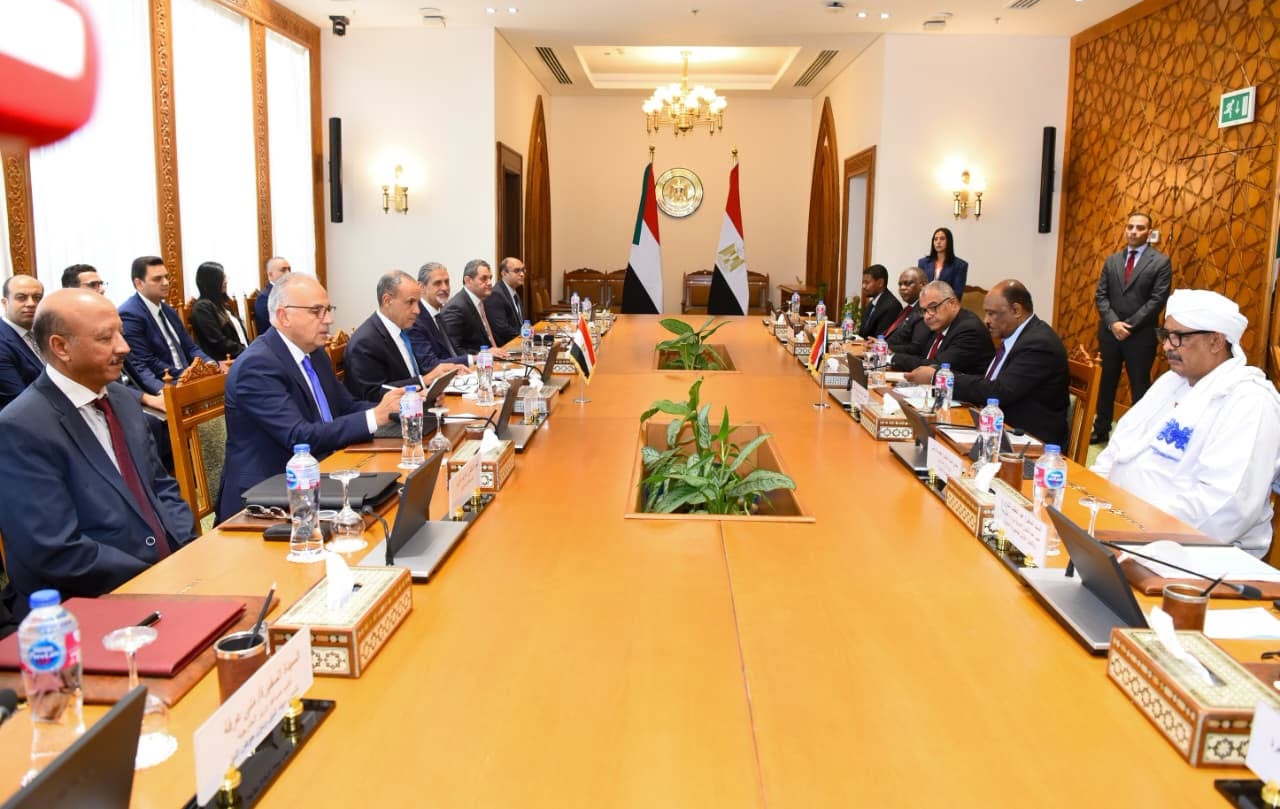
- The third round of the Egypt-Sudan "2+2" consultative mechanism, involving Foreign and Irrigation Ministers, recently convened in Cairo to implement bilateral agreements.
- Sudan's war, ongoing since April 2023, has caused extensive damage and contributes to the complex regional instability.
Escalating Tensions and Mutual Defense
The potential activation of the Egypt Sudan mutual defense pact underscores the gravity of the current regional instability.
Egypt has affirmed its readiness to invoke the provisions of its Joint Defense Agreement with Sudan, alongside other measures permissible under international law, to support the nation and safeguard its territorial integrity and national institutions. This declaration, made on November 3, 2026, comes amidst a significant escalation of bilateral tensions between Sudan and Ethiopia. The contentious issues fueling this friction include the long-standing Nile water dispute, concerns over Red Sea security, and allegations of Ethiopian involvement in the ongoing conflict within Sudan.
Just days prior, on November 1, 2026, Sudan formally lodged complaints against Ethiopia with both the United Nations Security Council and the African Peace and Security Council. These complaints accuse Addis Ababa of direct involvement in attacks targeting civilian infrastructure, including power stations and other civilian assets across several Sudanese states. Such alleged actions have reportedly resulted in civilian casualties and severe disruptions to essential services, further exacerbating the humanitarian crisis in Sudan. The potential activation of the Egypt Sudan mutual defense pact underscores the gravity of the current regional instability.
Diplomatic Maneuvers and Legal Recourse
The recent moves by both Egypt and Sudan unfold against a backdrop of complex challenges facing Sudan, particularly the devastating war that commenced in April 2023. This conflict has inflicted extensive damage on the country's infrastructure and vital service facilities. Concurrently, regional tensions have intensified, notably concerning the security of the Red Sea and the critical Nile water dispute, exacerbated by the Grand Ethiopian Renaissance Dam (GERD). Sudan's formal complaint to the UN Security Council and African Peace and Security Council represents a significant step in seeking international legal intervention regarding the Sudan Ethiopia conflict international law implications.
In a related diplomatic development, the Egyptian Ministry of Foreign Affairs announced that the third round of the "2+2" consultative mechanism meetings between the Foreign and Irrigation Ministers of Egypt and Sudan recently concluded in Cairo. These discussions, which included the Minister of Foreign Affairs and International Cooperation from Sudan, were a direct outcome of directives issued during a meeting between the Prime Ministers of both nations on February 26, 2026. The purpose of these high-level consultations, chaired by the respective Foreign and Irrigation Ministers, was to implement bilateral agreements and convene joint committee meetings, ultimately serving the mutual interests of both countries and their populations. These Egypt Sudan 2+2 mechanism outcomes highlight ongoing efforts to coordinate responses to shared regional challenges.
Regional Stability at Risk
The convergence of Egypt's explicit commitment to its defense pact with Sudan and Sudan's direct appeals to international bodies signals a critical juncture for regional stability. The ongoing war in Sudan, which has ravaged the country since April 2023, has already created a volatile environment, with widespread destruction of infrastructure and essential services. The added layer of accusations against Ethiopia, coupled with the long-standing Nile water dispute Egypt Sudan Ethiopia, elevates the risk of broader conflict.
The Red Sea security implications Sudan faces are also a significant factor, as regional powers vie for influence and control over vital maritime routes. Egypt's declaration of support, referencing international law and the Egypt Sudan Joint Defense Agreement, suggests a potential willingness to intervene if the situation deteriorates further. This intricate web of internal conflict, cross-border accusations, and strategic resource disputes underscores the urgent need for de-escalation, as the region grapples with profound security and humanitarian challenges.
Practical Implications
The potential activation of the Egypt-Sudan Joint Defense Agreement, alongside Sudan's formal complaints to international bodies, signals a significant escalation of regional tensions. Lawyers advising clients with interests in Sudan, Egypt, or Ethiopia must assess the implications for business continuity, supply chain risks, and compliance with potential international sanctions or trade restrictions, particularly if military intervention or further international legal actions materialize.
Source
How does this affect you?
Get an AI analysis of this article grounded in your jurisdictions, practice areas, and any policy documents you've uploaded to Wansom.
Wansom is AI and can make mistakes.