
مجلس الوزراء السوداني: عقوبات مشددة لمتعاوني الدعم السريع
Summary
- The Sudanese Council of Ministers met on November 1, 2026, to address national security concerns.
- The Council mandated the "maximum possible penalty" for individuals assisting the Rapid Support Forces with strategic intelligence.
- This directive follows a week of drone attacks by the RSF that destroyed 14 power stations across eight states.
- These attacks caused widespread power outages, impacting essential services like hospitals and bakeries.
- Sudanese authorities accused Ethiopia of facilitating the launch of these drones from its territory and deemed the attacks crimes against humanity.
Escalating Drone Attacks and Widespread Disruption
The Council of Ministers unequivocally declared that individuals found to have provided the Rapid Support Forces with coordinates for strategic or civilian sites would face the maximum possible penalty.
Sudan has recently endured a continuous week of devastating drone attacks, attributed by authorities to the Rapid Support Forces (RSF). These aerial assaults have specifically targeted critical energy and electricity infrastructure, leading to significant damage and widespread power outages across the nation. The impact has been severe, with approximately 14 power stations destroyed in various states, including Gedarif, Sennar, Al Jazirah, White Nile, Khartoum, South Kordofan, Northern, and River Nile.
The resulting electricity blackouts have crippled essential public services, severely affecting the operations of hospitals, water pumping stations, and bakeries. This sustained targeting of civilian infrastructure underscores a critical escalation in the ongoing conflict, directly impacting the daily lives and well-being of Sudanese citizens. The government's response highlights the gravity of these attacks and their far-reaching consequences for the country's stability and public welfare.
Government's Stern Warning and Directives
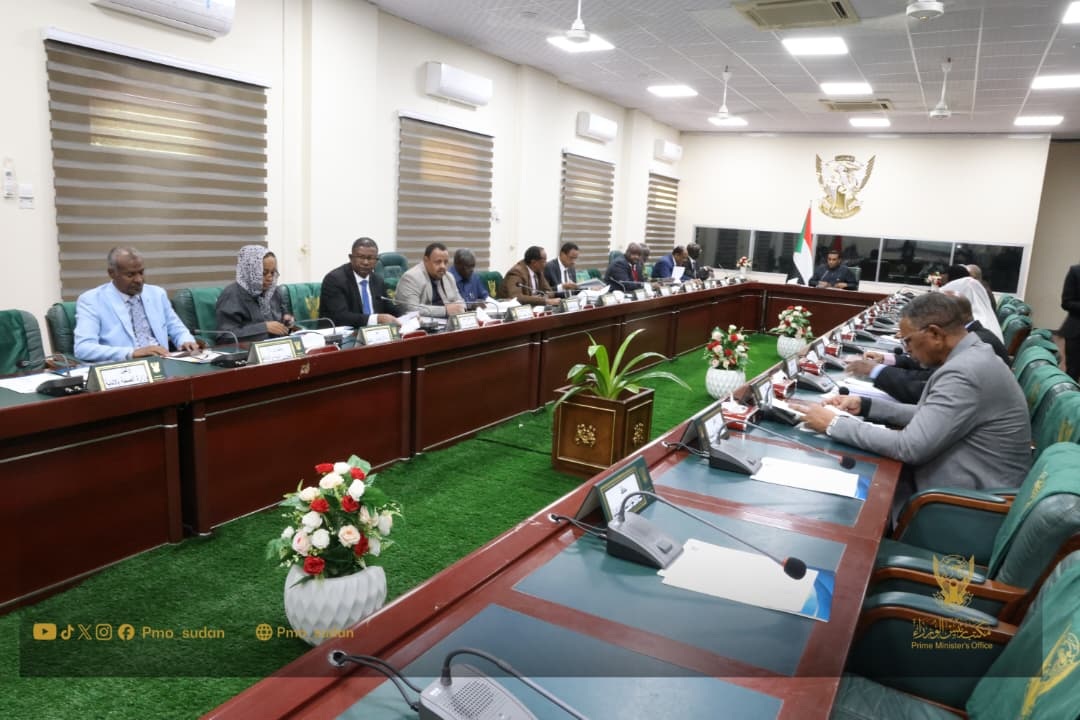
In response to the escalating crisis, the Sudanese Council of Ministers convened on Sunday, November 1, 2026, issuing a forceful directive to raise the national state of alert to its highest level. The Council emphasized the urgent need to identify and counter all conspiracies perceived to be undermining the nation's security and stability. A central focus of their pronouncement was the severe legal consequences awaiting individuals found to be collaborating with the Rapid Support Forces.
The Council of Ministers unequivocally declared that individuals found to have provided the Rapid Support Forces with coordinates for strategic or civilian sites, particularly those subsequently targeted by drone attacks, would face the maximum possible penalty. This stern warning, articulated by Graham Abdel Qader, the Undersecretary of the Ministry of Culture, Information, Antiquities, and Tourism, underscores the government's resolve to deter any form of assistance to the RSF, framing such actions as direct aid to an enemy engaged in hostilities against the state and its people.
Legal and International Dimensions
The Sudanese authorities have not only condemned the internal actions of the RSF but have also leveled serious accusations against Ethiopia, alleging its involvement in facilitating these destructive drone attacks. According to official statements, the drones responsible for targeting Sudanese infrastructure were launched from Ethiopian territory, a claim that introduces a significant international dimension to the conflict and raises questions about regional stability.
Furthermore, the Council of Ministers has formally classified the repeated assaults on civilian service facilities and infrastructure as crimes against humanity. This designation reflects the government's view of the attacks as egregious violations of international law, aimed at inflicting widespread suffering and disruption. The emphasis on imposing the maximum possible penalty for collaborators aligns with the gravity of these accusations, suggesting that such actions could be prosecuted under severe national security or counter-terrorism statutes, reflecting the government's determination to combat what it perceives as acts of terror and treason.
Broader Conflict Context
The government's strong stance and the severe penalties threatened against collaborators are set against a backdrop of ongoing conflict with the Rapid Support Forces. Graham Abdel Qader, speaking on behalf of the Council, characterized the targeting of civilian infrastructure as a clear indication of the continuous defeats suffered by what he termed the 'rebellious RSF militia.' This framing suggests an attempt to portray the drone attacks as acts of desperation from a weakening adversary.
The directive to monitor all conspiracies against the country, coupled with the call for a heightened state of alert at both official and popular levels, signals a comprehensive approach by the Sudanese government to mobilize national resources and public vigilance against perceived internal and external threats. This strategy aims to consolidate support and deter any actions that could be construed as undermining national security or aiding the RSF in their operations.
Practical Implications
Lawyers and compliance officers in Sudan must advise clients on the heightened legal risks and severe penalties associated with any perceived collaboration or provision of information to the Rapid Support Forces (RSF), particularly concerning critical infrastructure or military intelligence. This directive signals an intensified government crackdown, requiring a review of internal policies to prevent inadvertent actions that could be construed as aiding the RSF and lead to prosecution under the 'maximum possible penalty' threat.
Source
How does this affect you?
Get an AI analysis of this article grounded in your jurisdictions, practice areas, and any policy documents you've uploaded to Wansom.
Finish Reading the Full Story and the Expert Analysis.
Wansom is AI and can make mistakes.