
SSPDF: Court Orders $1.4M Compensation for Juba Shooting Victims
Summary
- A court in Juba ordered the South Sudan Ministry of Defence to pay $1,455,180 in compensation to two individuals injured in a 2024 shooting incident.
- Manawa Gabriel Makwach was awarded $1,074,180 and 30 head of cattle for medical expenses, property losses, moral damages, and a 60% disability.
- Agum Andrea received $381,000 for similar damages incurred during the incident.
- The victims' lawyer, Angelo Thon Pal, pursued the case under Section 33(2) of the Code of Civil Procedures Act, 2007, after initial attempts through the Ministry of Justice.
- The army spokesman, Maj. Gen. Lul Ruai Koang, stated it was too early to comment, indicating the ministry's leadership needs to review the judgment with its legal team.
Court Mandates Significant Compensation
The court's explicit commitment to the enforcement of court judgment against government SS entities, should the ministry fail to comply, reinforces the judiciary's role in upholding legal decisions.
The South Sudan Ministry of Defence has been ordered by a court to pay over $1.4 million in compensation to two individuals injured during a shooting incident in Juba, though the army's spokesperson indicated it was premature to offer an official response. On Tuesday, the court awarded Manawa Gabriel Makwach a sum of $1,074,180, while Agum Andrea received $381,000. These significant awards are intended to cover medical expenses, property losses, and moral damages incurred by the victims.
In addition to the monetary sum, the court mandated that the Ministry of Defence provide Manawa Gabriel Makwach with 30 head of cattle, aligning with customary traditions, following a medical assessment that determined he suffered a 60% disability. The total financial award, excluding court and legal fees, amounts to $1,455,180.
This substantial compensation order arises from a shooting incident that occurred on November 21, 2024. Both Makwach and Andrea sustained injuries while they were traveling in their respective vehicles, near the Juba residence of former National Security Service Internal Security Bureau Chief General Akol Koor Kuc, which led to the legal action against the South Sudan Ministry of Defence.
Legal Pathway to Justice
According to their legal representative, Angelo Thon Pal, the injured parties initially sought redress through the Ministry of Justice and Constitutional Affairs. Subsequently, they secured the necessary authorization to initiate legal proceedings under Section 33(2) of the Code of Civil Procedures Act, 2007, which proved to be a pivotal step in their pursuit of justice.
Pal outlined the subsequent procedural steps, which involve opening an execution file with the court. Following this, the Ministry of Defence will be summoned to ensure compliance with the judgment. Should the ministry fail to adhere to the ruling, the court has affirmed its intention to enforce its decisions, underscoring the enforceability of court judgments against government entities in South Sudan.
Government Reaction and Broader Implications
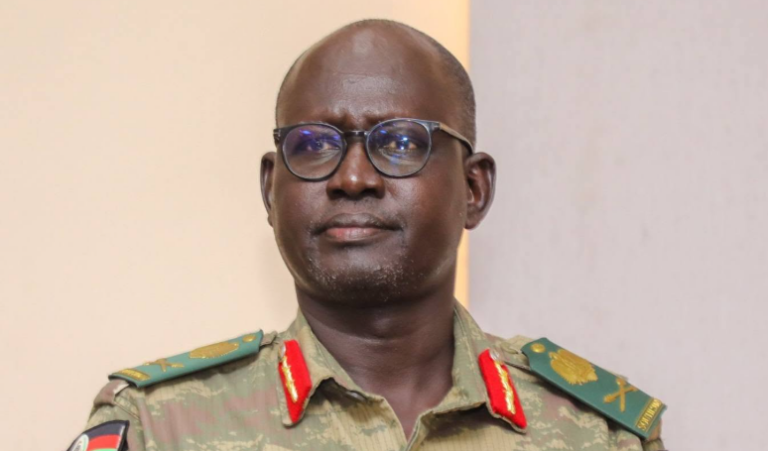
Maj. Gen. Lul Ruai Koang, the army spokesman, conveyed on Tuesday that it was "too early to comment" on the ruling. He emphasized that the ministry's leadership must thoroughly review the judgment alongside its legal team before formulating an official response. Koang noted he had only recently learned of the decision through media reports, indicating that the leadership would need to examine the verdict and obtain legal counsel to determine their course of action. He further clarified that he could only provide a response if officially delegated to do so on behalf of the ministry.
This SSPDF $1.4M compensation order in Juba, including customary compensation, sets a significant precedent for civil litigation against government bodies in South Sudan. The successful pursuit of damages against the South Sudan Ministry of Defence for the Juba shooting incident compensation highlights the potential for individuals to secure substantial awards, even against state actors. The court's explicit commitment to the enforcement of court judgment against government SS entities, should the ministry fail to comply, reinforces the judiciary's role in upholding legal decisions.
Practical Implications
This case sets a precedent for successful civil litigation against the South Sudan Ministry of Defence for damages, highlighting the enforceability of court orders against government entities and the potential for significant compensation awards, including customary payments. Lawyers should advise clients on the viability of pursuing similar claims and the process for judgment execution against state actors.
Source
How does this affect you?
Get an AI analysis of this article grounded in your jurisdictions, practice areas, and any policy documents you've uploaded to Wansom.
Finish Reading the Full Story and the Expert Analysis.
Wansom is AI and can make mistakes.