
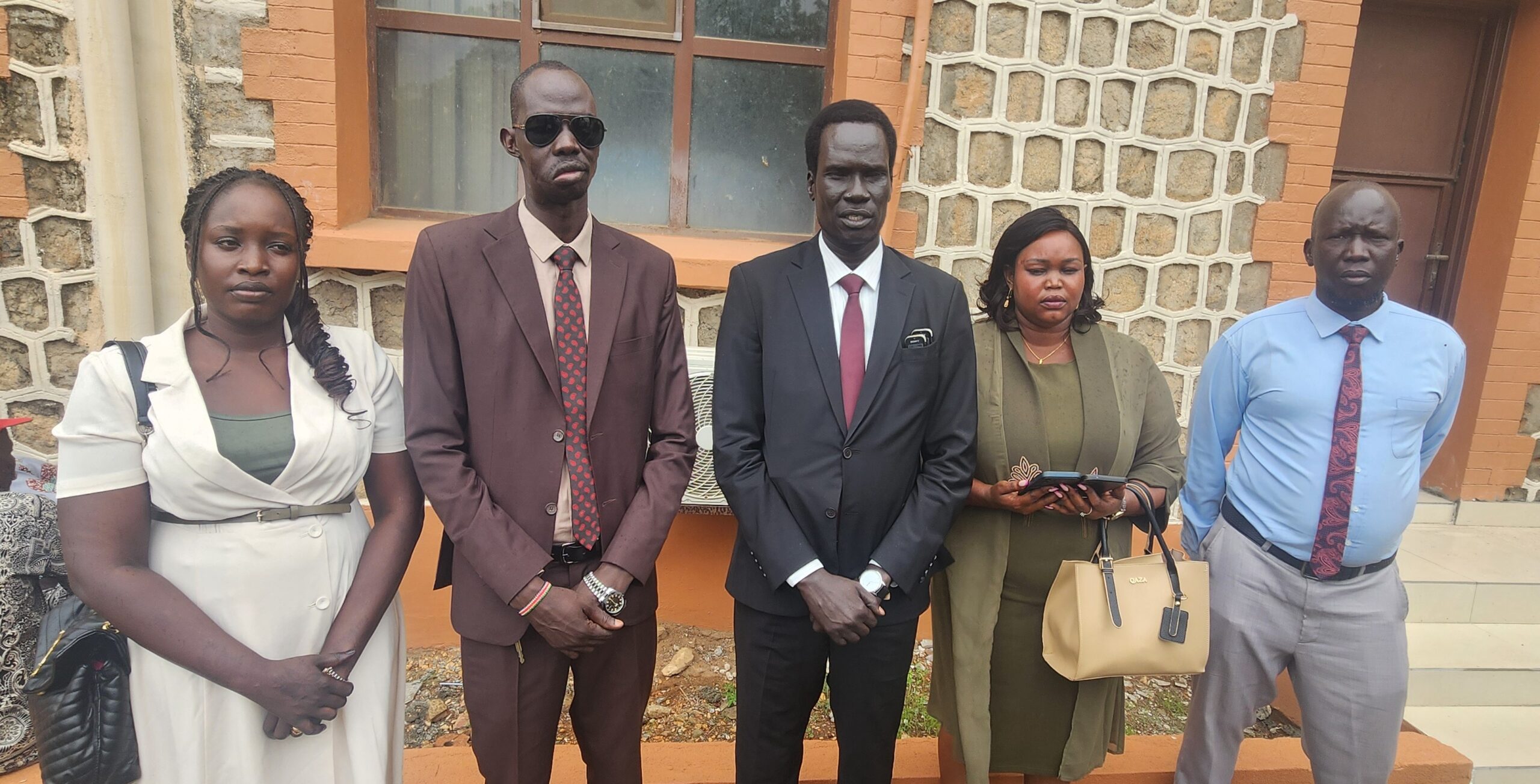
South Sudan Court Awards $1.4M to Juba Shooting Victims
In South Sudan, on Tuesday, a court presided over by Justice Ajok Tito Telar awarded $1,455,180 in compensation to Manawa Gabriel Makwach and Agum Andrea, who were injured in a shooting incident outside the Juba residence of former National Security Service (NSS) Internal Security Bureau Chief General Akol Koor Kuc. This significant civil judgment, rendered against the Ministry of Defence and Veteran Affairs, allocated $274,180 to Makwach for medical expenses and property losses, including his car, alongside $800,000 in moral damages, while Andrea received $81,000 for medical expenses and other losses, plus $300,000 in moral damages. Additionally, the court ordered the Ministry to pay Makwach 30 head of cattle, in accordance with customary tradition, following a medical assessment confirming a 60% disability sustained from the November 21, 2024 shooting.
This ruling holds profound legal significance for South Sudan's legal landscape, particularly in affirming judicial independence and the enforceability of civil claims against state entities. The substantial monetary award, coupled with the customary payment, underscores the court's commitment to providing comprehensive redress for victims of state-related incidents, even in the absence of the defendant's representatives during judgment delivery. The key parties are the plaintiffs, Manawa Gabriel Makwach and Agum Andrea, represented by their lawyer Angelo Thon Pal, and the defendant, the Ministry of Defence and Veteran Affairs. The plaintiffs' prior unsuccessful attempts to secure compensation through an established committee before resorting to the courts highlights the critical role of the judiciary as a final arbiter for justice when administrative avenues fail.
The legal context of this case demonstrates the application of civil law principles in South Sudan, where courts can adjudicate claims for medical expenses, property losses, and moral damages against government ministries. The fact that a First Grade County Court judge exercised the powers of a High Court indicates the flexibility and hierarchical structure of the South Sudanese judiciary in handling complex civil matters. The integration of customary law, specifically the payment of cattle for disability, further illustrates the hybrid nature of the legal system, where traditional practices are recognized and incorporated into formal judgments. For legal practitioners, this case provides a crucial precedent regarding the quantum of damages that can be awarded in personal injury cases involving state actors and the importance of pursuing judicial remedies when other avenues prove ineffective. Attorneys should advise clients that while judgments against government entities can be substantial, the enforcement phase may present unique challenges, as evidenced by the plaintiffs' prior difficulties and Andrea's public appeal for prompt payment. Monitoring the Ministry's compliance with this judgment will be vital for understanding the practical enforceability of such rulings in South Sudan.
How does this affect you?
Get an AI analysis of this article grounded in your jurisdictions, practice areas, and any policy documents you've uploaded to Wansom.
Finish Reading the Full Story and the Expert Analysis.
Wansom is AI and can make mistakes.