
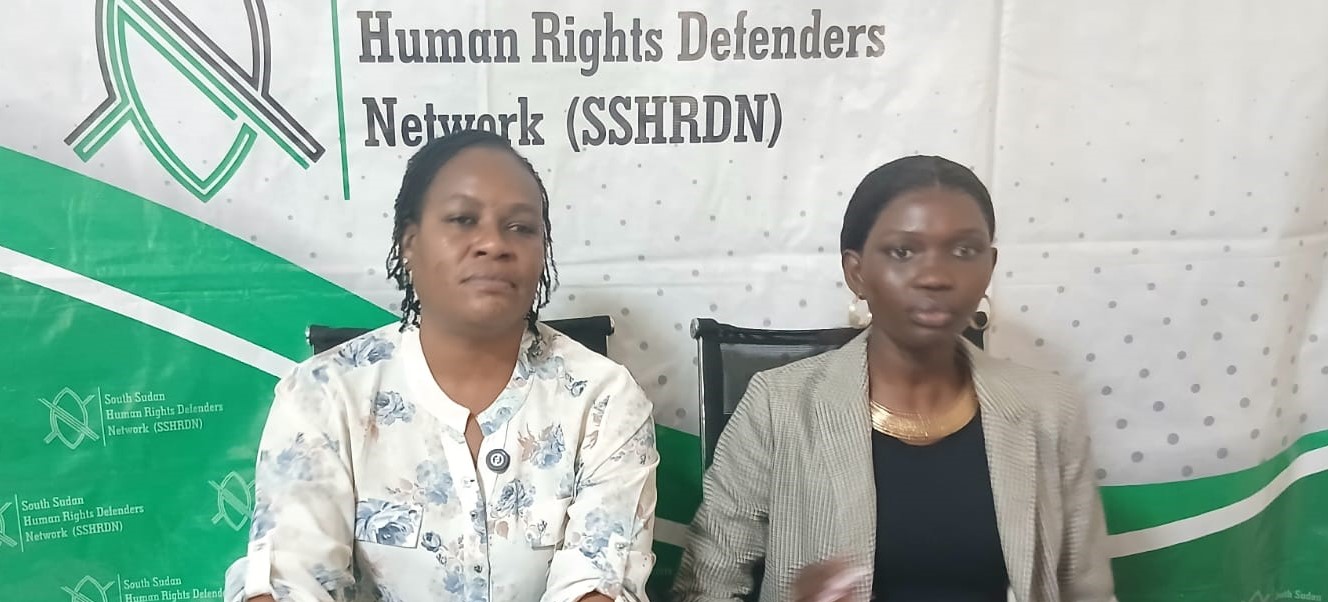
SSHRDN: South Sudan GBV Support Gaps Hinder Justice Access for Survivors
Summary
- The South Sudan Human Rights Defenders Network (SSHRDN) reports significant gaps in medical and psychosocial support for gender-based violence (GBV) survivors.
- Data from the South Sudan Humanitarian Country Teams 2026-2027 Protection Strategy indicates only 64% of conflict-related sexual violence survivors received urgent medical aid, and 26% accessed psychosocial support.
- Rape and gang rape accounted for 81% of documented conflict-related sexual violence incidents in 2025.
- SSHRDN representatives called for stronger law enforcement, prevention efforts, and timely access to justice, free from stigma, discrimination, intimidation, or retaliation.
- The organization also raised concerns about threats faced by women human rights defenders and the persistent stigma discouraging some survivors, particularly men, from reporting abuse.
Persistent Gaps in GBV Support
The South Sudan Human Rights Defenders Network (SSHRDN) has issued a stark warning regarding the persistent and significant SSHRDN South Sudan GBV support gaps faced by survivors of gender-based violence in the country.
The South Sudan Human Rights Defenders Network (SSHRDN) has issued a stark warning regarding the persistent and significant SSHRDN South Sudan GBV support gaps faced by survivors of gender-based violence in the country. These deficiencies in medical and psychosocial assistance severely restrict access to crucial services and pathways to justice. According to data from the South Sudan Humanitarian Country Teams 2026-2027 Protection Strategy, a concerning disparity exists in the provision of care: only 64% of individuals documented as survivors of South Sudan conflict-related sexual violence received urgent medical attention. Even fewer, a mere 26%, were able to access vital psychosocial support services.
The scale of the violence is further underscored by the 2025 data from the same strategy, which revealed that rape and gang rape constituted an overwhelming 81% of all documented conflict-related sexual violence incidents. Specifically, rape accounted for 51% of these cases, while gang rape made up 30%. Other forms of sexual violence also contributed to the grim statistics, with forced marriage representing 7% of incidents and sexual slavery accounting for 6%. These figures highlight a critical need for enhanced protective measures and comprehensive support systems for those affected.
Urgent Calls for Accountability and Protection
Speaking in Juba ahead of the annual 16 Days of Activism South Sudan campaign, Adut Andrew, an administrative assistant with SSHRDN, emphasized that these statistics necessitate a robust increase in protection and support services. Andrew called upon the government, law enforcement agencies, and judicial institutions to rigorously enforce existing legislation, bolster prevention initiatives, and guarantee that survivors can access justice without undue delay. She stressed the imperative that individuals seeking justice should not encounter stigma, discrimination, intimidation, or retaliation.
Andrew also highlighted the ongoing concern of forced marriages, where young girls are often wed to older men with the consent of both families, creating significant obstacles for civil society organizations attempting to intervene. While some survivors have received aid from partner organizations, others have endured severe consequences, tragically including suicide. The SSHRDN's women protection officer, Gisma Juma, underscored the necessity of collective action from the government, civil society, human rights defenders, and communities to effectively end gender-based violence. Juma urged that the annual campaign transcend its international scope to become a platform for tangible actions aimed at safeguarding women and girls from violence, intimidation, and harassment, both online and offline, asserting this as a shared responsibility.
Protecting Advocates and Challenging Norms
The South Sudan Human Rights Defenders Network also voiced serious concerns regarding the threats and intimidation frequently faced by women human rights defenders. Their crucial advocacy for equality, justice, and fundamental human rights often exposes them to significant security risks. SSHRDN therefore advocated for specific measures to protect these defenders, enabling them to continue their vital work without fear. Andrew noted that awareness campaigns have successfully encouraged more women to report abuse and seek assistance through available services, such as one-stop centers in Juba and reporting mechanisms in other regions.
However, despite these efforts, stigma remains a considerable barrier, particularly discouraging male survivors from reporting cases. The 16 Days of Activism campaign, which runs from November 25 to December 10, is centered on the theme of ending violence against women and girls, ensuring justice, protecting survivors, and eradicating impunity. In this context, SSHRDN urged communities, development partners, and civil society organizations to actively challenge harmful social norms. They further called for stronger institutional action to provide comprehensive support to survivors and ensure perpetrators are held accountable, thereby improving South Sudan GBV justice access.
Practical Implications
Lawyers and compliance officers operating in South Sudan should be aware of the significant systemic gaps in essential support and justice mechanisms for GBV survivors, as highlighted by SSHRDN. This indicates a high-risk environment for human rights violations, necessitating enhanced due diligence, advocacy for stronger legal enforcement, and careful consideration of potential liabilities or reputational risks for organizations operating in the region.
Source
How does this affect you?
Get an AI analysis of this article grounded in your jurisdictions, practice areas, and any policy documents you've uploaded to Wansom.
Finish Reading the Full Story and the Expert Analysis.
Get the latest legal & regulatory intelligence in South Sudan
Wansom is AI and can make mistakes.