
South Sudan: SPLM-IO Rejects Election Delay as Unlawful
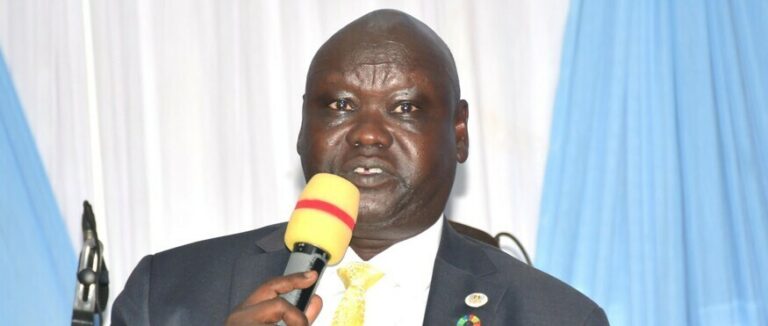
The SPLM-IO Interim Leadership in South Sudan, led by Caretaker Peacebuilding Minister Stephen Par Kuol, on Friday formally rejected the National Elections Commission's (NEC) decision to postpone the general elections from December 22, 2026, to February 11, 2027, labeling the move unlawful and threatening a potential boycott of the polls.
This development signifies a critical challenge to the legitimacy and procedural integrity of South Sudan's upcoming general elections, with profound implications for the country's fragile peace process and democratic transition. The SPLM-IO, now the fourth political entity to voice opposition, argues that the NEC has failed to provide adequate legal justification for the postponement, describing the decision as unilateral, deceptive, and unlawful. This dispute could escalate political tensions, potentially leading to further instability or a crisis of confidence in the electoral process, which is vital for the nation's long-term stability and the implementation of the Revitalized Agreement on the Resolution of the Conflict in the Republic of South Sudan (R-ARCSS).
The legal context of this dispute centers on the interpretation and application of the amended Election Act, specifically Sections 57(1)(c) and 60(1), which the NEC cited as providing grounds for postponement under circumstances of "imminent danger" or a declared "state of emergency" as per Article 189 of the Transitional Constitution. The SPLM-IO, through its Deputy Chairperson Lasuba Loduro Wongo, contends that neither of these conditions has been met, thereby rendering the NEC's decision ultra vires or at least procedurally flawed. This highlights a fundamental disagreement over the scope of the NEC's powers and the constitutional safeguards intended to ensure free, fair, and timely elections. The outcome of this specific challenge is not yet reported, but the legal basis for election postponements will be a critical area of focus.
The key parties involved include the National Elections Commission (NEC), the primary regulatory body responsible for organizing elections, and the SPLM-IO Interim Leadership, a significant political actor in South Sudan's transitional government. Other political parties, including those led by Kornelio Kon, the African National Congress (ANC), and the Union of Sudan African Parties (USAP), have also expressed similar rejections, indicating a broader political consensus against the NEC's decision. The actions of these parties collectively underscore the deep divisions and mistrust surrounding the electoral preparations.
Practitioners, particularly those advising political entities, civil society organizations, or international observers in South Sudan, should closely monitor the legal arguments and potential judicial challenges that may arise from this electoral dispute. Understanding the precise interpretation of the Election Act and the Transitional Constitution regarding election postponements will be crucial. Businesses operating in South Sudan should also be cognizant of the heightened political uncertainty and potential for civil unrest or legal gridlock, which could impact the operational environment and investment climate as the country approaches its critical electoral period.
How does this affect you?
Get an AI analysis of this article grounded in your jurisdictions, practice areas, and any policy documents you've uploaded to Wansom.
Finish Reading the Full Story and the Expert Analysis.
Get the latest legal & regulatory intelligence in South Sudan
Wansom is AI and can make mistakes.