
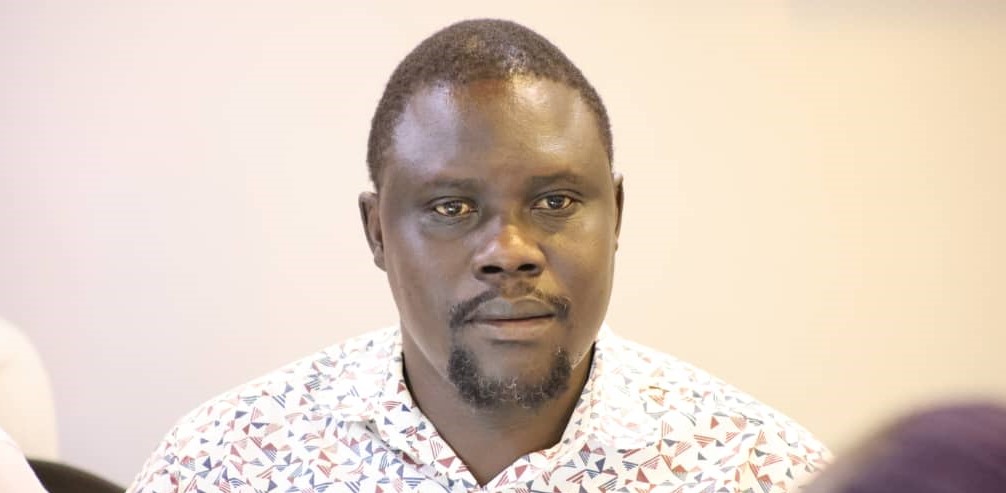
South Sudan: Analyst Urges Riek Machar Pardon Call for 2026 Elections
Summary
- A South Sudanese policy analyst called for the government to pardon political detainees, including Riek Machar, before the December 22, 2026, elections.
- Former First Vice President Riek Machar is currently on trial in Juba, facing charges such as treason, murder, and crimes against humanity, which he denies.
- The analyst argued that elections alone would not resolve South Sudan's political crises without genuine reconciliation and the inclusion of all political groups.
- The United Nations Commission on Human Rights in South Sudan warned that elections lacking adequate safeguards could fuel further political confrontation and armed violence.
- The call for pardons aims to encourage political groups not party to the 2018 Revitalised Agreement to re-engage in the political process.
Call for Political Pardons Ahead of Elections
He contended that merely holding elections would not resolve South Sudan's complex political crises unless accompanied by genuine reconciliation and the inclusion of various political factions currently operating outside the framework of the 2018 peace agreement.
A prominent South Sudanese policy analyst has urged the government to grant pardons to political detainees, including former First Vice President Riek Machar, as a crucial step towards fostering an inclusive political environment. Boboya James Edimond, who serves as a policy and political analyst and is the Chief Executive Officer of the Institute of Social Policy Research, emphasized that such a move is essential to integrate opposition groups into the political process before the nation's scheduled December 22, 2026, elections. He contended that merely holding elections would not resolve South Sudan's complex political crises unless accompanied by genuine reconciliation and the inclusion of various political factions currently operating outside the framework of the 2018 peace agreement.
Edimond specifically called for the government to encourage political entities not yet party to the Revitalised Agreement on the Resolution of the Conflict in South Sudan (R-ARCSS) to re-engage with the political process. This appeal comes as South Sudan prepares for elections slated for December 22, 2026. The electoral preparations follow significant political shifts, including President Salva Kiir's decision on September 22 to dissolve the transitional unity government and subsequently appoint a caretaker administration. These changes resulted in the removal of Machar and other vice presidents from their governmental roles.
Legal Challenges Facing Riek Machar
Central to the analyst's call for a South Sudan Riek Machar pardon is the former First Vice President's ongoing legal predicament. Machar is currently facing trial in Juba, alongside seven co-defendants, in connection with alleged violence that occurred in Nasir, Upper Nile State, in March 2025. The charges leveled against them are severe, encompassing treason, murder, conspiracy, terrorism, destruction of public property, and crimes against humanity. Machar and his co-defendants have consistently denied these accusations.
This legal battle underscores the complex interplay between justice and political reconciliation in South Sudan. The analyst, Boboya James Edimond, suggested that rather than pursuing these trials, the government should leverage the current political climate to engage with its political opponents. He advocated for rebuilding trust and adopting a new spirit of cooperation before the upcoming South Sudan December 22, 2026, elections, stressing that dialogue should genuinely aim to resolve problems rather than serve as a means for personal gain.
Broader Calls for Inclusivity and Reform
Beyond the immediate issue of political detainees South Sudan, the analyst's recommendations extend to a broader vision for national stability and governance. Boboya James Edimond urged the government to genuinely pursue unity, reconciliation, and inclusivity, emphasizing that dialogue should be a constructive tool for problem-solving. His comments coincide with an ongoing inter-party dialogue in Juba, where various political parties and stakeholders are participating in discussions ahead of the elections. Separately, some opposition groups and civil society organizations have also advocated for a more comprehensive national political dialogue involving the government, opposition movements, and other key stakeholders.
Edimond further highlighted the critical need to fulfill outstanding provisions of the 2018 peace agreement, warning that unresolved political and institutional issues could jeopardize efforts to achieve lasting stability. He called upon political parties vying for power in the upcoming elections to make concrete, written commitments on several crucial areas. These include completing the permanent constitution-making process, implementing reforms in local government, strengthening public financial management, and establishing more robust checks and balances among state institutions. He also stressed the importance of ensuring the independent operation of the judiciary, parliament, and executive branches, arguing that a functional constitutional system is vital for peacefully resolving political disputes.
International Concerns and Future Stability
The international community shares similar concerns regarding the integrity and potential ramifications of the upcoming electoral process. The United Nations Commission on Human Rights in South Sudan has issued a stark warning, indicating that elections conducted without adequate political and human rights safeguards could exacerbate political confrontation and potentially ignite further armed violence. This perspective reinforces the urgency of the analyst's call for reconciliation and inclusivity.
The UN body has specifically advocated for a genuine and inclusive dialogue that brings together all political adversaries, explicitly mentioning the supporters of Riek Machar. This international stance aligns with Boboya James Edimond's overarching message, which calls for South Sudan to move away from a cycle of political confrontation. Instead, he envisions building a system founded on constitutionalism, accountability, and inclusion, urging leaders to “build bridges instead of destroying them, reach out instead of cutting communications, and let us discuss as a family.” The stability of the nation, particularly in the context of the South Sudan December 22, 2026, elections, hinges on addressing these fundamental issues.
Practical Implications
This development highlights the ongoing legal and political uncertainty surrounding high-profile political detainees like Riek Machar in South Sudan. Lawyers advising clients with interests in South Sudan should monitor any potential pre-election pardons or amnesties, as well as the UN's warnings regarding electoral safeguards, which could impact political stability and legal compliance risks.
Source
How does this affect you?
Get an AI analysis of this article grounded in your jurisdictions, practice areas, and any policy documents you've uploaded to Wansom.
Finish Reading the Full Story and the Expert Analysis.
Get the latest legal & regulatory intelligence in South Sudan
Wansom is AI and can make mistakes.