
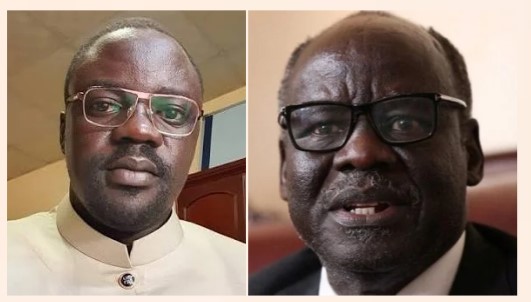
South Sudan PPC Chairman: James Akol Zakayo Alters Party Records
Summary
- Two South Sudanese parties, NDM and SSNMC, accuse PPC chairman James Akol Zakayo of unilaterally altering their registration records and replacing leaders.
- These changes, confirmed by PPC Order No. 5 of 2026, could prevent the parties from contesting the December 22 elections under their established identities.
- The parties allege that seven newly registered entities were added without following the procedures mandated by the Political Parties Act.
- NDM chairman Dr. Lam Akol asserts the Political Parties Act does not grant the chairman authority to change party leaders, questioning the legality of the actions.
- The dispute raises significant concerns about due process, the authority of the PPC, and the overall integrity of South Sudan's upcoming elections.
Allegations of Altered Party Records Emerge
The most immediate consequence of these alterations is to prevent the affected parties from contesting the elections under their recognized names and structures.
Two prominent South Sudanese political organizations, the National Democratic Movement (NDM) and the South Sudan National Movement for Change (SSNMC), have leveled serious accusations against James Akol Zakayo, the chairman of the Political Parties Council (PPC). They claim Zakayo unilaterally modified their official registration records and replaced their designated leaders, actions that could jeopardize their ability to participate in the upcoming December 22 elections under their established identities and leadership structures. The NDM is led by veteran opposition figure Dr. Lam Akol, while Moro Isaac Genesio heads the SSNMC; both parties were signatories to the 2018 peace agreement that led to the formation of the now-dissolved transitional unity government.
The allegations surfaced during a joint press conference held at the NDM headquarters in Juba on Wednesday, following the circulation of a new list of registered political parties in the capital. This updated list reportedly showed alterations to the names and leadership of several previously registered parties, and indicated an increase in the total number of registered political entities from 39 to 46. Bol Joseph Agau, the NDM's secretary-general, confirmed that 39 parties had been officially registered by the June 30 deadline. He specified that the Federal Democratic Party (FDP), NDM, and SSNMC were among those affected, with their listed leaders replaced and the FDP's logo also changed.
Upon contacting the PPC regarding these discrepancies, the parties were reportedly provided with PPC Order No. 5 of 2026. According to Agau, this order explicitly confirmed that the registration changes were made under the direct instructions of PPC chairman James Akol Zakayo. The order also purportedly granted registration to nine new political entities, enabling their participation in democratic processes, including the December 22 elections. Agau further alleged that seven of these newly registered parties were added without adhering to the registration procedures mandated by the Political Parties Act, raising significant questions about the legality of these additions. These allegations have not been independently verified.
Legal Authority and Due Process Questioned
The core of the NDM SSNMC registration dispute revolves around the extent of the PPC chairman's authority and whether proper legal procedures were followed. Dr. Lam Akol Ajawin, chairman of the NDM, highlighted that both his party and the SSNMC had previously received formal recognition from the PPC, with the council publicly acknowledging their leaders when their registration was initially announced. He emphasized that neither party received any notification regarding a decision to alter their registered leadership, a critical omission given the potential impact on their electoral eligibility.
Dr. Akol firmly asserted that the Political Parties Act contains no provision empowering the chairperson of the Political Parties Council to unilaterally change the name of a party leader. This directly challenges the legality of the James Akol Zakayo registration changes. The NDM and SSNMC also raised concerns about the registration of seven additional political parties, alleging that these groups failed to submit the necessary documents required by law. Dr. Akol noted that the parties affected by the changes, including the NDM and SSNMC, had diligently submitted all required documentation, such as leadership lists, constitutions, and manifestos, during their initial registration process. He contrasted this with the alleged failure of the newly registered groups to fulfill similar requirements.
Moro Isaac Genesio, chairman of the SSNMC, corroborated these claims, stating that his party's registration process commenced in 2021 and meticulously followed all requirements set by the PPC, including the payment of a $10,000 registration fee. Genesio confirmed that the SSNMC had received official confirmation of fulfilling all registration requirements well before the June 30 deadline. This meticulous adherence to South Sudan Political Parties Act compliance by the established parties stands in stark contrast to the alleged procedural shortcuts taken for the newly added entities, further fueling the dispute over PPC Order No. 5 of 2026 legality.
Implications for South Sudan's Electoral Integrity
The controversy surrounding the South Sudan PPC chairman altering party records carries significant implications for the nation's upcoming elections and broader South Sudan electoral integrity concerns. Dr. Lam Akol explicitly stated that the changes could directly impede his party's participation in the elections, as official registration is a prerequisite for political parties to operate and field candidates. He articulated that the most immediate consequence of these alterations is to prevent the affected parties from contesting the elections under their recognized names and structures.
This dispute not only challenges the authority of the Political Parties Council but also raises fundamental questions about due process and fairness in the electoral landscape. If established parties can have their records unilaterally altered and new parties registered without apparent adherence to legal procedures, it undermines public trust in the electoral system. The integrity of the December 22 elections hinges on transparent and legally compliant registration processes, ensuring all eligible parties can participate without undue interference. The unverified nature of the allegations underscores the need for thorough investigation and adherence to the rule of law to safeguard democratic principles in South Sudan.
Practical Implications
Lawyers advising political parties or involved in electoral law in South Sudan should closely monitor this dispute, as it directly challenges the Political Parties Council's authority and adherence to due process, potentially impacting future party registration challenges and electoral eligibility.
Source
How does this affect you?
Get an AI analysis of this article grounded in your jurisdictions, practice areas, and any policy documents you've uploaded to Wansom.
Finish Reading the Full Story and the Expert Analysis.
Get the latest legal & regulatory intelligence in South Sudan
Wansom is AI and can make mistakes.