
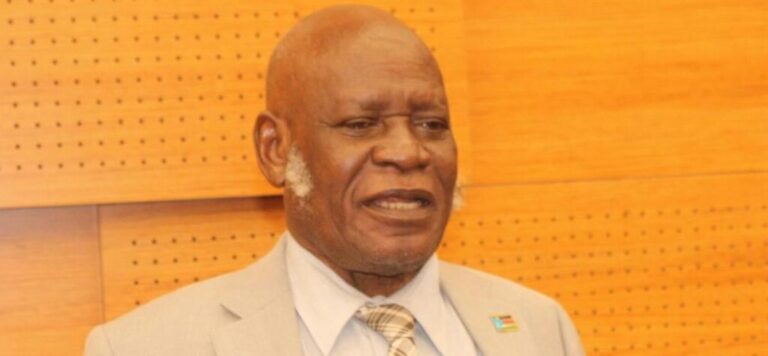
South Sudan: National Elections Act 2012 Amendments Tabled
Summary
- Minister Wek Mamer Kuol tabled the National Elections Act, 2012 (Amendment) Bill, 2026, before the Transitional National Legislative Assembly for its first reading.
- The bill aims to align the electoral law with the Transitional Constitution of 2011 and addresses executive powers and parliamentary composition.
- Key provisions include the incumbent president retaining full powers during elections and the mandatory removal of vice presidents three months prior to the vote.
- The proposed parliament would consist of 332 elected members, with specific seat allocations for geographical constituencies, women, and party lists.
- These legislative efforts precede South Sudan's December 22 elections and follow recent changes in the leadership of the National Elections Commission.
Legislative Initiative Unveiled
The proposed legislation notably stipulates that the incumbent president would retain all constitutionally granted powers throughout the election period, while also requiring the removal of the First Vice President and other vice presidents three months before the election date.
South Sudan's Minister of Justice and Constitutional Affairs, Wek Mamer Kuol, recently initiated a significant parliamentary process by tabling amendments to the National Elections Act, 2012. This legislative action, presented before the Transitional National Legislative Assembly (TNLA) for its first reading, introduces the National Elections Act, 2012 (Amendment) Bill, 2026. The stated objective of this comprehensive election bill is to rectify existing inconsistencies within the current electoral framework and ensure its full alignment with the amended Transitional Constitution of 2011.
Minister Kuol emphasized to lawmakers that the bill's core purpose is to harmonize the provisions of the 2012 Act, bringing them into conformity with the nation's foundational legal document. According to Oliver Mori Benjamin, the acting spokesperson for the TNLA, the proposed legislation is structured into two distinct chapters comprising seventeen sections. These sections are designed to govern various critical aspects of the electoral process, including the powers of the executive branch and the composition of the parliament, both during and after the upcoming elections.
Key Proposed Changes
Among the most notable provisions within the South Sudan National Elections Act 2012 amendments are those concerning presidential authority and parliamentary structure. The bill explicitly states that the incumbent president will maintain all powers granted under the constitution throughout the election period. Furthermore, the proposed legislation introduces a requirement for the president to dismiss the First Vice President and all other vice presidents from their positions precisely three months before the scheduled election date.
The Transitional National Legislative Assembly election bill also outlines a significant restructuring of the national legislature. It proposes the establishment of a 332-member elected parliament. The allocation of seats within this new body is meticulously defined: 50% of the seats are designated for geographical constituencies, 35% are reserved for women, and the remaining 15% are to be filled through party lists. These changes, if enacted, would fundamentally alter the composition and dynamics of South Sudan's legislative branch.
Electoral Landscape in Flux
These South Sudan electoral law changes parliament is considering arrive as the nation prepares for general elections slated for December 22, a date set after multiple extensions of the transitional period initially established under a 2018 peace agreement. The Council of Ministers had previously approved amendments to the National Elections Act, 2012 (as amended in 2023) on September 11. Those earlier proposed changes included the restoration of the 102 geographical constituencies utilized in the 2010 elections and the provision for a 332-member National Legislative Assembly, aligning with aspects of the current bill.
The political environment surrounding the South Sudan 2024 elections legislation has also seen recent shifts. President Salva Kiir recently dismissed Abednego Akok Kacuol, the chairperson of the National Elections Commission, approximately three months before the elections, without publicly stating a reason. Gabriel Bol Deng Majok, who previously served as the commission's secretary general, has since replaced Akok. Political analyst Abraham Kuol Nyuon, the dean of the University of Juba Graduate College, expressed concerns to Radio Tamazuj that this change in leadership could complicate essential election preparations, such as voter registration. Under the current roadmap, the transitional government is scheduled for dissolution on September 22, with the transitional period itself set to conclude in February.
Path to Enactment
The National Elections Act, 2012 (Amendment) Bill, 2026, must navigate several additional stages of parliamentary consideration before it can be enacted into law. This initial first reading is merely the beginning of a multi-step legislative journey. Once the National Legislature successfully passes the bill, it then proceeds to the president for assent.
According to Article 85(1) of South Sudan's Transitional Constitution, the president is granted a period of 30 days to either assent to and sign the bill into law or to return it to the legislature with any objections. This constitutional provision underscores the final critical step required for these proposed South Sudan National Elections Act 2012 amendments to become binding legal statutes.
Practical Implications
Lawyers and compliance officers advising clients in South Sudan should closely track the legislative progress of this bill. Its proposed changes to presidential powers during elections, parliamentary composition, and the removal of vice presidents could significantly alter the political landscape and governance structure, impacting political risk assessments and business continuity planning ahead of the December elections.
Source
How does this affect you?
Get an AI analysis of this article grounded in your jurisdictions, practice areas, and any policy documents you've uploaded to Wansom.
Finish Reading the Full Story and the Expert Analysis.
Get the latest legal & regulatory intelligence in South Sudan
Wansom is AI and can make mistakes.