
National Press Club South Sudan: Journalist Security Training Enhances Media Safety
Summary
- The National Press Club-South Sudan conducted a two-day training for forty security personnel and journalists in Rubkona, Unity State.
- The initiative aimed to promote freedom of expression and improve journalist safety, drawing on the UNESCO Global Toolkit for Law Enforcement Agents.
- Training topics included media laws, journalist safety, election reporting, and countering misinformation, building on a UNESCO event from June 2026.
- A key focus was reducing misunderstandings between media and security sectors and enhancing protection for women journalists facing specific risks.
- The training is particularly relevant as South Sudan prepares for elections, with plans for ongoing local media-security cooperation mechanisms.
Training Aims to Bolster Media-Security Relations in Unity State
This targeted training arrives at a pivotal moment for South Sudan, as the nation prepares for an upcoming critical electoral period.
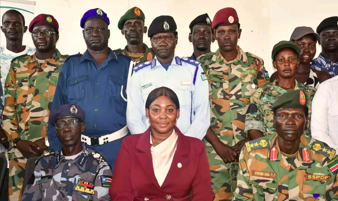
The National Press Club-South Sudan (NPC-SS) recently concluded a two-day initiative in Rubkona, Unity State, focused on enhancing the safety of journalists and promoting freedom of expression. This National Press Club South Sudan journalist security training brought together forty participants, comprising both security personnel from various units and media professionals. Commencing on a Wednesday and concluding the following day, the program aimed to foster improved relations and understanding between these critical sectors.
Poverty Alfred, the Executive Director of the NPC-SS, emphasized that this undertaking is designed to cultivate greater comprehension and collaborative efforts between the security apparatus and the media. He further articulated that the initiative seeks to bolster practical cooperation and knowledge among security personnel, journalists, media spokespersons, and government information officials concerning fundamental principles such as freedom of expression, access to information, existing media laws, and the crucial aspect of journalist safety. While the initial plan envisioned journalists participating from the first day to encourage continuous dialogue and a shared professional understanding, their involvement in selected discussions primarily occurred on the second day of the training. This Unity State media security cooperation effort underscores a commitment to bridging divides and building a more harmonious operational environment for media practitioners.
Legal Frameworks and Operational Guidelines
The curriculum for this comprehensive South Sudan freedom of expression training is rooted in established international and national guidelines. It draws directly from a UNESCO Police Media Training of Trainers event previously held in Juba in June 2026, and crucially, it incorporates the UNESCO Global Toolkit for Law Enforcement Agents. This toolkit provides a structured approach to addressing complex issues at the intersection of security and media.
Throughout the sessions, participants delved into national, regional, and international standards pertaining to freedom of expression, alongside an examination of relevant media laws and policies. A significant portion of the training was dedicated to journalist safety, election-related reporting, and strategies for countering hate speech, misinformation, and disinformation. Poverty Alfred highlighted that the UNESCO toolkit is specifically engineered to assist law enforcement personnel in striking a delicate balance between their duties to maintain public order and their responsibility to uphold freedom of expression and ensure the safety of journalists. A key objective of this media laws South Sudan training was to diminish misunderstandings between the media and security sectors, thereby promoting lawful and respectful engagement with journalists, and specifically enhancing protection for women journalists who frequently encounter gender-specific risks, including harassment, discrimination, and online abuse.
Electoral Context and Future Cooperation
This targeted training arrives at a pivotal moment for South Sudan, as the nation prepares for an upcoming critical electoral period. During such times, the collaborative relationship between security actors and the media becomes paramount, playing a vital role in ensuring that journalists can safely access and report information that is in the public interest. The initiative is therefore strategically timed to contribute to a more secure and transparent environment for electoral coverage.
Looking beyond the immediate training, the National Press Club-South Sudan has outlined several follow-up measures. These include meticulously documenting participant attendance and conducting post-training assessments to gather valuable recommendations. The insights gleaned will then be compiled into concise training reports. Furthermore, the NPC-SS intends to actively encourage the establishment of localized media-security cooperation mechanisms. These mechanisms are envisioned to include designated focal persons and clear communication channels, designed to facilitate the prompt and peaceful resolution of any concerns that may arise, thereby bolstering journalist safety South Sudan elections.
Practical Implications
Lawyers advising media clients or journalists in South Sudan should be aware of this training initiative, as it aims to improve adherence to media laws and international standards regarding freedom of expression and journalist safety, potentially reducing legal risks for media personnel and providing a basis for advocating for their rights, especially during the upcoming electoral period.
Source
How does this affect you?
Get an AI analysis of this article grounded in your jurisdictions, practice areas, and any policy documents you've uploaded to Wansom.
Finish Reading the Full Story and the Expert Analysis.
Get the latest legal & regulatory intelligence in South Sudan
Wansom is AI and can make mistakes.