
South Sudan Army Reviews $1.4M Court Compensation Order
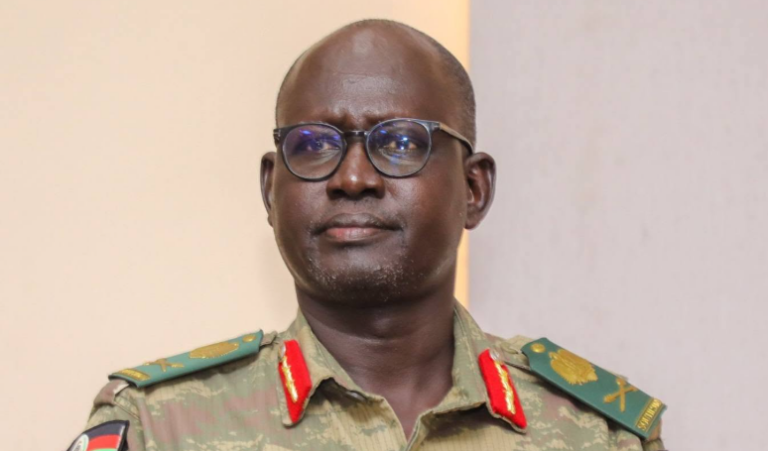
In South Sudan, on Tuesday, the South Sudan People's Defence Forces (SSPDF) spokesman, Maj. Gen. Lul Ruai Koang, indicated it was premature for the Ministry of Defence to comment on a court order mandating it to pay $1,455,180 in compensation, plus 30 head of cattle, to two individuals injured in a shooting incident. This significant development follows a court ruling that awarded Manawa Gabriel Makwach $1,074,180 and Agum Andrea $381,000 for medical expenses, property losses, and moral damages, with Makwach also receiving the customary cattle payment due to a 60% disability. The incident, which occurred on November 21, 2024, involved a shooting outside the Juba residence of former National Security Service (NSS) Internal Security Bureau Chief General Akol Koor Kuc, injuring Makwach and Andrea while they were in their vehicles.
This case carries substantial legal significance for practitioners and the public in South Sudan, particularly concerning state accountability and the enforcement of civil judgments against government entities. The key parties involved are the Ministry of Defence, represented by the SSPDF spokesman, and the injured parties, Manawa Gabriel Makwach and Agum Andrea, represented by their lawyer, Angelo Thon Pal. The court's decision to award a substantial sum, alongside a customary payment, underscores the judiciary's role in upholding individual rights and seeking redress for harm, even when state organs are implicated. The Ministry's current stance of reviewing the judgment with its legal team highlights the procedural steps and potential challenges in enforcing such orders against government bodies, which often have complex internal processes for compliance.
The legal context for this matter is rooted in South Sudan's civil procedure framework, specifically Section 33(2) of the Code of Civil Procedures Act, 2007, which granted the plaintiffs permission to sue the Ministry of Defence. This provision is crucial for understanding how citizens can pursue legal action against government ministries, which typically enjoy certain immunities. The inclusion of a customary payment of 30 head of cattle for disability also illustrates the integration of traditional justice mechanisms within the formal legal system, reflecting the unique hybrid legal landscape of South Sudan. For practitioners, this case serves as a critical reminder of the avenues available for seeking compensation against state actors and the procedural steps involved, from obtaining permission to sue to the execution of judgments. Attorneys should closely monitor the Ministry of Defence's response and the subsequent enforcement process, as it will set important precedents for the enforceability of civil judgments against government entities and the practical implications of Section 33(2) of the Code of Civil Procedures Act, 2007. The outcome of the Ministry's review and the execution of the judgment will be a key indicator of the rule of law and judicial independence in the jurisdiction.
How does this affect you?
Get an AI analysis of this article grounded in your jurisdictions, practice areas, and any policy documents you've uploaded to Wansom.
Finish Reading the Full Story and the Expert Analysis.
Wansom is AI and can make mistakes.