
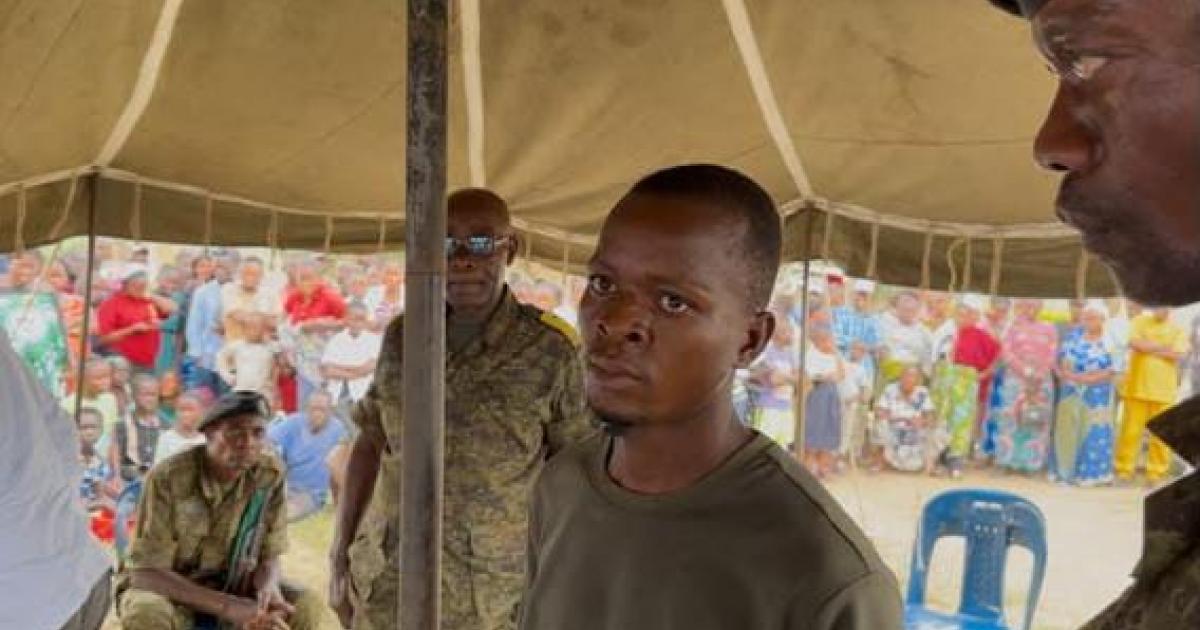
Tribunal Militaire Bunia: Soldat Pataule Mpoko Pierre Condamné à Peine Capitale
Summary
- Soldat Pataule Mpoko Pierre was sentenced to death by a military tribunal in Bunia.
- The second-class soldier, affiliated with the 32nd main defense brigade, was convicted of murder.
- The Military Garrison Tribunal of Bunia delivered the capital punishment verdict during a public hearing on October 6, 2026.
- The proceedings took place at the esplanade of the governorate in Ituri province.
A Death Sentence in Bunia
The ruling provides a specific example of the application of capital punishment by military tribunals in the DRC, which legal professionals should note when advising military personnel on serious criminal charges or tracking human rights developments related to judicial sentencing in conflict-affected regions like Ituri.
A military court in Bunia has delivered a capital punishment verdict against a soldier, Pataule Mpoko Pierre, following his conviction for murder. The judgment, issued by the Military Garrison Tribunal of Bunia, mandates the death penalty for the second-class soldier. This significant legal development occurred during a public session held on Tuesday, October 6, 2026, underscoring the gravity with which the military justice system addresses severe offenses committed by its personnel.
Soldat Pataule Mpoko Pierre, who is identified as a member of the 32nd main defense brigade, faced charges related to a murder within the Ituri province. The tribunal's decision to impose the ultimate sentence highlights the stringent application of military law in the Democratic Republic of Congo, particularly concerning crimes that involve the loss of life. The public nature of the hearing, which took place at the esplanade of the governorate, allowed for community observation of the proceedings and the final pronouncement of the sentence.
Legal Framework and Regional Context
The Democratic Republic of Congo operates a distinct military justice system, with tribunals like the Military Garrison Tribunal of Bunia holding jurisdiction over offenses committed by armed forces personnel. This framework allows for the prosecution of serious crimes, including murder, under specific military penal codes. The application of capital punishment, while a contentious issue globally, remains a legal possibility within the DRC's judicial system, particularly for grave offenses adjudicated by these military courts. Such sentences underscore the severe penalties that can be imposed on service members found guilty of capital crimes.
The Ituri province, where this condemnation occurred, has frequently been a focal point for security concerns and judicial actions involving military personnel. The region's complex security landscape often brings military conduct under intense scrutiny, making the role of military tribunals particularly critical in maintaining discipline and upholding the law within the armed forces. The public nature of the hearing, held at the governorate's esplanade, further highlights the transparency sought in such high-profile cases, even when dealing with the most severe forms of punishment.
Implications for Military Justice and Human Rights
The condemnation of Soldat Pataule Mpoko Pierre to the death penalty serves as a stark reminder of the rigorous application of military law in the Democratic Republic of Congo. For legal practitioners, this case exemplifies the severe consequences faced by military personnel accused of capital offenses, particularly murder, within the jurisdiction of military tribunals. It underscores the importance of understanding the nuances of droit pénal militaire Congo, which governs the conduct and accountability of soldiers, even in regions like Ituri where security challenges are prevalent. The ruling provides a specific example of the application of capital punishment by military tribunals in the DRC, which legal professionals should note when advising military personnel on serious criminal charges or tracking human rights developments related to judicial sentencing in conflict-affected regions like Ituri.
This particular judgment also draws attention to broader discussions surrounding human rights and the use of capital punishment. While the DRC's legal framework permits such sentences, international human rights organizations often advocate for their abolition. The public nature of the trial and the subsequent sentence against Pataule Mpoko Pierre will undoubtedly be scrutinized by observers monitoring judicial practices and the adherence to due process within the military justice system. The case contributes to the ongoing discourse regarding the balance between maintaining military discipline and upholding international human rights standards in conflict-affected areas.
Practical Implications
This ruling provides a specific example of the application of capital punishment by military tribunals in the DRC, which legal professionals should note when advising military personnel on serious criminal charges or tracking human rights developments related to judicial sentencing in conflict-affected regions like Ituri.
Source
How does this affect you?
Get an AI analysis of this article grounded in your jurisdictions, practice areas, and any policy documents you've uploaded to Wansom.
Finish Reading the Full Story and the Expert Analysis.
Get the latest legal & regulatory intelligence in DR Congo
Wansom is AI and can make mistakes.