
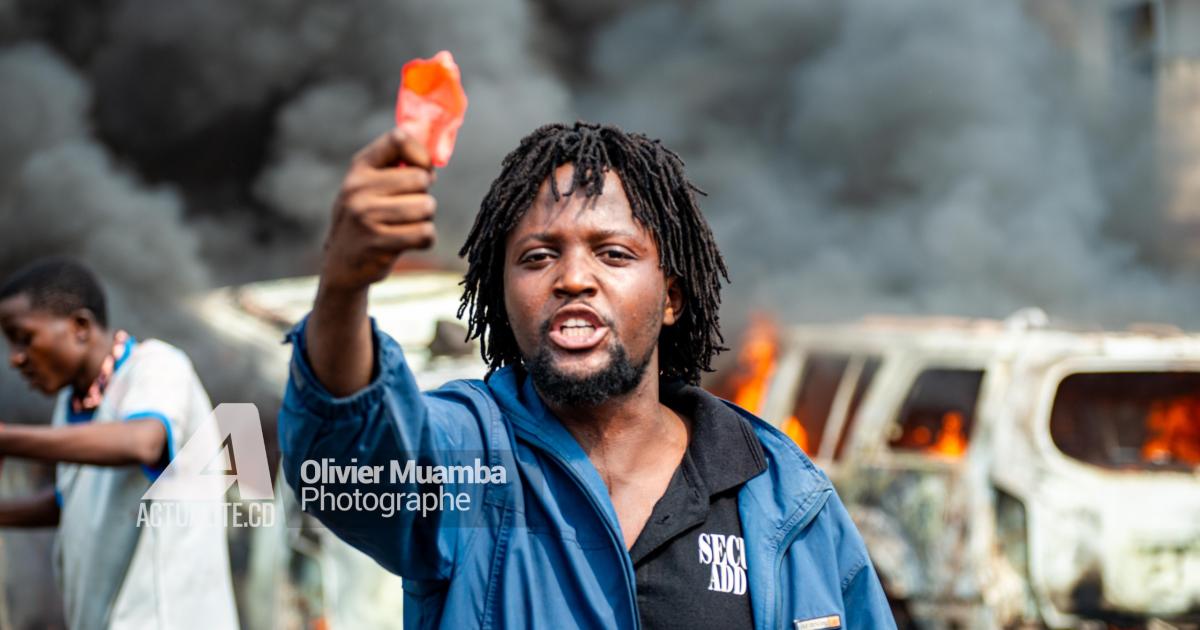
C64: Manassé Lomboto Killing Accusation Against Kabuya in DRC
Summary
- The Coalition Article 64 (C64) alleges that Manassé Lomboto was killed by members of Force du Progrès.
- The C64 report claims these individuals were acting under the orders of Augustin Kabuya, the Secretary General of the UDPS.
- The alleged killing occurred during incidents surrounding a march on September 15 in Kinshasa and other DRC cities.
- The C64 made its report public nearly a month after these September 15 events.
- The allegations raise significant concerns about political violence and human rights in the Democratic Republic of Congo.
Allegations of Political Killing Emerge in DRC
The C64 explicitly claims that Lomboto was killed by individuals identified as members of the Force du Progrès.
A significant report from the Coalition Article 64 for the defense of constitutional order (C64) has brought to light serious allegations concerning the death of Manassé Lomboto in the Democratic Republic of Congo (DRC). The C64 explicitly claims that Lomboto was killed by individuals identified as members of the Force du Progrès. These elements, according to the C64's findings, were reportedly acting under the direct command of Augustin Kabuya, the Secretary General of the UDPS.
This grave accusation forms the core of the C64's report, which was made public nearly a month after a series of incidents that occurred during a march on September 15. The march, which saw participation in Kinshasa and several other cities across the country, was the backdrop for the events that led to Lomboto's death. The C64's detailed account points to a direct chain of command in the alleged killing, placing the responsibility squarely on elements associated with Force du Progrès and their purported leader.
C64 Report Details September 15 Incidents
The Coalition Article 64, known for its focus on upholding constitutional order, released its comprehensive report to shed light on the events of September 15. This date marked a series of public demonstrations that took place not only in the capital city of Kinshasa but also extended to various other urban centers within the DRC. It was during these widespread incidents that the alleged killing of Manassé Lomboto occurred, prompting the C64's investigation and subsequent public disclosure.
The C64's findings specifically link the death of Lomboto to the actions of Force du Progrès members, asserting that these individuals were operating under orders from Augustin Kabuya. The report, made public approximately four weeks after the September 15 incidents, underscores the C64's commitment to documenting and exposing alleged breaches of constitutional order and human rights, particularly in the context of political gatherings and demonstrations in the DRC.
Legal and Human Rights Implications
The C64 Manassé Lomboto killing accusation Kabuya carries profound legal and human rights implications for the Democratic Republic of Congo. Allegations of political violence, particularly those involving a direct chain of command to a political figure like Augustin Kabuya, demand thorough and impartial investigation. Such claims, if substantiated, could expose individuals to charges related to murder, conspiracy, or other serious offenses under national and international law.
This report by the Coalition Article 64 for the defense of constitutional order highlights ongoing concerns regarding political violence and the protection of human rights in the DRC. The alleged involvement of Force du Progrès elements in the death of Manassé Lomboto during the Kinshasa 15 septembre incidents C64 report raises questions about accountability for actions taken during public demonstrations. The international community and human rights organizations will likely monitor any subsequent investigations or legal proceedings closely, given the gravity of the Augustin Kabuya Force du Progrès allegations and their potential impact on the country's political stability and justice system.
Practical Implications
This C64 report alleging the killing of Manassé Lomboto by elements under Augustin Kabuya's orders signals significant political and human rights risks in the DRC. Lawyers should monitor subsequent investigations or legal actions, and advise clients on potential political instability or human rights litigation exposure.
Source
Source: Original reporting via PMaki
How does this affect you?
Get an AI analysis of this article grounded in your jurisdictions, practice areas, and any policy documents you've uploaded to Wansom.
Finish Reading the Full Story and the Expert Analysis.
Get the latest legal & regulatory intelligence in DR Congo
Wansom is AI and can make mistakes.