
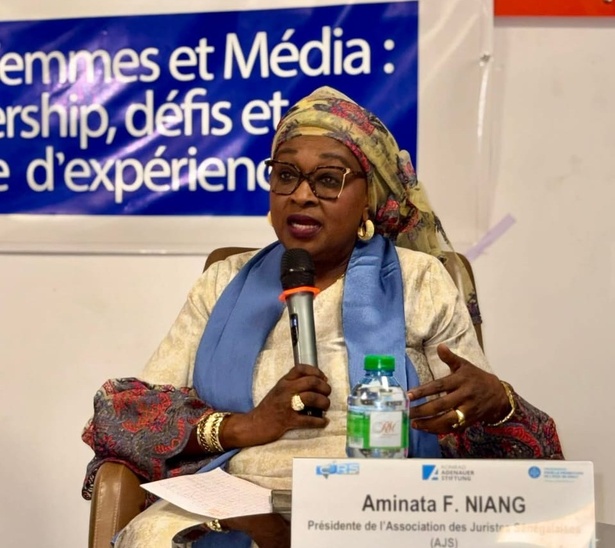
AJS Sénégal: Dénonce l’Impunité Malgré les Lois Protégeant Femmes et Filles
Summary
- The Association des juristes sénégalaises (AJS) asserts that existing laws against violence targeting women and girls in Senegal are insufficiently applied.
- Over 800 cases of gender-based violence were recorded nationally in 2023, highlighting the urgency of the situation.
- The AJS demands an end to impunity, advocating for effective law enforcement, prosecution of perpetrators, and adequate resources for victim support.
- Judicial processes remain challenging for victims due to costs, slow procedures, lack of legal access, and fear of reprisals.
- The AJS calls for a reform of the 1972 Family Code, citing provisions that perpetuate gender inequality regarding marriage age, paternity, parental authority, and conjugal domicile.
Persistent Impunity Despite Legal Frameworks
Ultimately, the AJS asserts that the fight against violence cannot be borne solely by civil society organizations.
The Association des juristes sénégalaises (AJS) has issued a strong condemnation of the ongoing impunity surrounding violence against women and girls in Senegal, despite the existence of protective legislation. During the launch of the 16 days of activism, an annual campaign running from November 25 to December 10, 2026, the AJS urged public authorities to take decisive action to eradicate this impunity. This urgent appeal is underscored by the alarming scale of gender-based violence, with over 800 cases officially recorded across the nation in 2023 alone.
In a published tribune by Exclusif, the AJS emphasized that equitable access to justice must be guaranteed for all individuals, irrespective of their social or economic standing. The organization highlighted that the current campaign is centered around the critical theme of "Guarantee justice, protect survivors, and end impunity," reflecting the pressing need for systemic change. The AJS maintains that while laws are in place, their practical implementation and enforcement remain significantly inadequate, contributing to a culture where perpetrators often escape accountability.
Systemic Barriers to Justice and Legal Reform Needs
Despite the presence of specific legal instruments, such as Law n° 99-05 enacted on January 29, 1999, which criminalizes female genital mutilation (FGM), this harmful practice continues to persist. Senegal has also developed a National Strategy for the Abandonment of these Practices, covering the period from 2022 to 2030. However, the AJS argues that these legislative and strategic measures must be translated into tangible follow-up on commitments and robust sanctions against those who commit such acts. The association identifies social tolerance, pervasive silence, and the prevailing impunity as significant obstacles that impede the effective protection of victims.
The AJS further points out that judicial processes present considerable challenges for many victims, including the financial burden of legal fees, the protracted nature of proceedings, difficulties in securing legal representation, a general lack of awareness regarding their rights, and a profound fear of retaliation. Additionally, societal pressures from family and community, coupled with the stigma associated with reporting violence, often deter victims from coming forward. To address these systemic issues, the AJS advocates for comprehensive legal, judicial, and psychosocial support, alongside the establishment of effective protection mechanisms and a swift judicial response.
Calls for Comprehensive Reform and State Commitment
A critical area identified for reform by the AJS is the 1972 Family Code. The organization contends that several provisions within this code, particularly those concerning the age of marriage, the establishment of paternity, parental authority, and the determination of conjugal domicile, perpetuate gender inequalities. The AJS insists that these contested articles should be re-examined through the lens of equality, non-discrimination, and, crucially, the best interests of the child. This call for reform is echoed by other advocates; for instance, in October 2026, Maimouna Astou Yade, Executive Director of JGEN Women Global Entrepreneurship (J-Gen Sénégal), also urged for the revision of discriminatory clauses in Kaffrine, ahead of the National Citizen Assemblies on women's and girls' rights scheduled for November.
The collective "Luy Jot Jot Na" previously reported eighteen lives lost in 2025 due to domestic or family violence, reinforcing the urgent need for Family Code reform. The AJS underscored the severity of the situation by citing a case from February 2025, where eleven young girls, ranging from five months to five years old, allegedly underwent collective excision in the Goudomp department. Ultimately, the AJS asserts that the fight against violence cannot be borne solely by civil society organizations. The association implores the State to demonstrate unwavering political will, ensure the rigorous application of existing laws, and expedite the much-needed reform of the Family Code to truly protect its most vulnerable citizens.
Source
Source: Original reporting via Exclusif
How does this affect you?
Get an AI analysis of this article grounded in your jurisdictions, practice areas, and any policy documents you've uploaded to Wansom.
Finish Reading the Full Story and the Expert Analysis.
Get the latest legal & regulatory intelligence in Senegal
Wansom is AI and can make mistakes.