
Senegal: Parliamentarians Challenge Presidential Decree on Finance Law
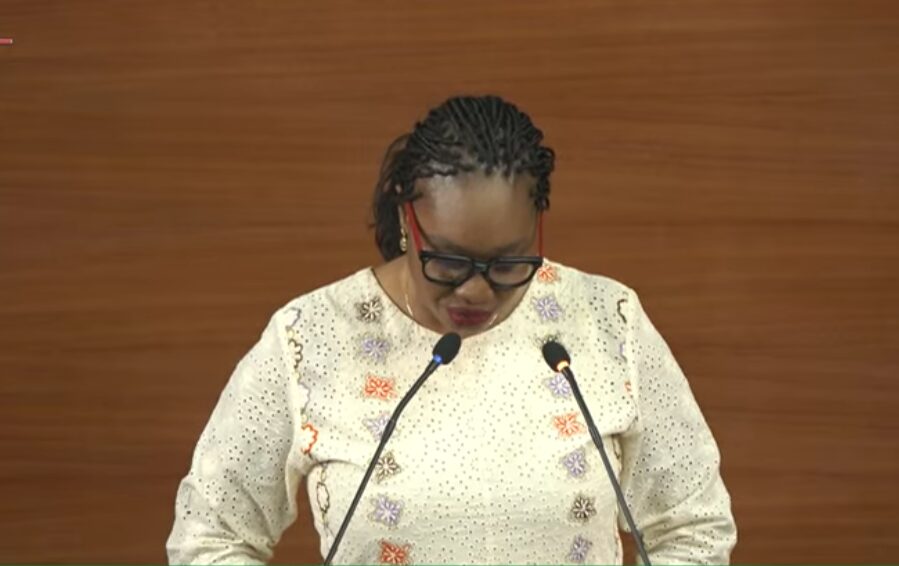
In Senegal, the parliamentary majority, Pastef, has introduced a resolution in the National Assembly to challenge a presidential decree that implemented the 2026 Amending Finance Law (LFR), a text which was previously rejected by the Assembly in a plenary session on November 3rd, as reported by Senego.
This situation highlights a fundamental conflict regarding the separation of powers and the legislative process in Senegal, specifically questioning the President's authority to implement a finance law by decree after it has been explicitly rejected by the National Assembly. It raises critical questions about the supremacy of parliamentary decisions versus executive decrees, particularly in budgetary matters, and could set a significant precedent for future legislative-executive relations. The outcome of this matter is not yet reported.
The legal context for this dispute involves the constitutional provisions governing the adoption of finance laws, the powers of the National Assembly to approve or reject legislation, and the President's decree-making authority. The rejection of a text in a plenary session implies a definitive legislative act, and the subsequent implementation by decree directly challenges the integrity and finality of the legislative process. Relevant legal frameworks would include the Constitution of Senegal, organic laws on finance, and the internal regulations of the National Assembly, all of which define the boundaries of executive and legislative powers.
Key parties involved include the parliamentary majority (Pastef), which initiated the resolution; the National Assembly, where the resolution is being debated; and the President, whose decree is the subject of the challenge. The rapporteur who presented the resolution proposal also plays a crucial role in this legislative process.
Attorneys and businesses should closely observe the legal and political ramifications of this parliamentary resolution, as it could significantly impact the interpretation of executive and legislative powers in Senegal. The resolution's progression will be critical in defining how legislative rejections of finance laws are handled by the executive moving forward, underscoring the importance of understanding the precise boundaries of governmental authority, especially concerning budgetary and financial legislation.
How does this affect you?
Get an AI analysis of this article grounded in your jurisdictions, practice areas, and any policy documents you've uploaded to Wansom.
Finish Reading the Full Story and the Expert Analysis.
Get the latest legal & regulatory intelligence in Senegal
Wansom is AI and can make mistakes.