
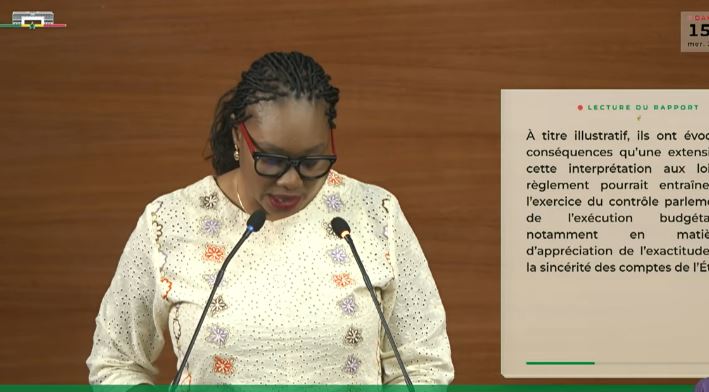
Senegal: National Assembly Challenges Presidential Finance Law Decree
In Senegal, following the National Assembly's rejection of the Rectified Finance Bill (PLFR) on November 3, 2026, the PASTEF parliamentary group is challenging presidential decree n°2026-24-16, which enacted the text, by proposing a resolution, thereby escalating the legislative-executive standoff.
This action is of profound legal significance as it represents a direct and formal challenge by the legislative branch to the executive's perceived overreach, particularly concerning the enactment of financial legislation. For legal practitioners, this situation underscores the critical importance of constitutional checks and balances and the mechanisms available to parliamentarians to contest executive decisions. The outcome of this challenge could redefine the boundaries of presidential power and parliamentary oversight in Senegal, impacting the interpretation of constitutional provisions related to law-making and fiscal authority. Businesses and the public will be keenly watching, as the stability of the legal framework for public finance is at stake.
The legal context for this dispute is firmly anchored in the Senegalese Constitution, which outlines the legislative process, the powers of the National Assembly to approve or reject bills, and the President's authority to issue decrees. The proposed resolution by the PASTEF group indicates an attempt to leverage parliamentary procedures to formally question the legality or constitutionality of the presidential decree. This could potentially lead to a referral to the Constitutional Council for an advisory opinion or a binding ruling on the decree's validity, depending on the specific legal avenues pursued. The key parties are the Senegalese National Assembly, particularly the PASTEF parliamentary group, and the Executive branch, represented by the President.
Attorneys advising clients in Senegal should closely follow the procedural developments of this proposed resolution and any subsequent legal actions. The manner in which this constitutional dispute is resolved will have significant implications for the interpretation of executive and legislative powers, particularly in the sensitive area of public finance. It is crucial for legal professionals to understand the potential for judicial review and the precedents that may be established, as these will influence future legislative processes and the overall governance environment. The stability of the legal and political landscape directly affects investor confidence and regulatory predictability, making this a key area for ongoing monitoring.
How does this affect you?
Get an AI analysis of this article grounded in your jurisdictions, practice areas, and any policy documents you've uploaded to Wansom.
Finish Reading the Full Story and the Expert Analysis.
Get the latest legal & regulatory intelligence in Senegal
Wansom is AI and can make mistakes.