
Senegal: Deputy Accuses President of "High Treason" Over Finance Law Decree
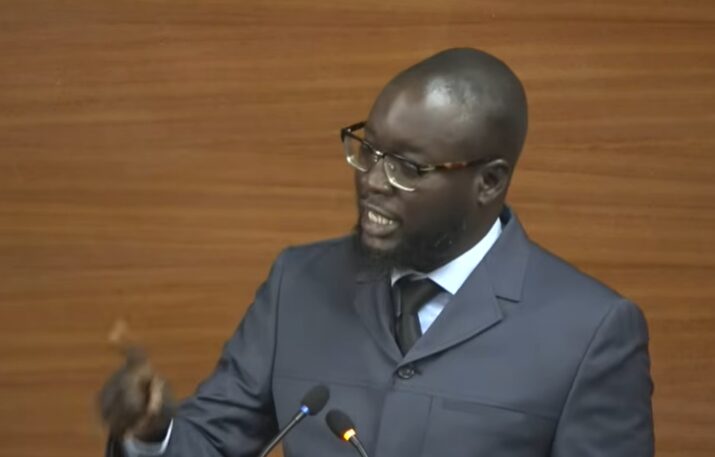
In Senegal, during the examination of a resolution proposal concerning Decree No. 2026-2416, which implements the 2026 Amending Finance Law (LFR), Member of Parliament Cheikh Omar Bamba Diop publicly accused President Bassirou Diomaye Faye of "high treason" and acting "outside the law" regarding the presidential decision, as reported by Senego.
This represents a severe political and potentially legal challenge to the President's authority and actions, raising profound questions about the legality of executive decrees, particularly those related to finance laws. The accusation of "high treason" carries significant constitutional weight and, if formally pursued, could trigger impeachment proceedings or other serious legal actions against the head of state, though the excerpt does not report any such formal steps or the outcome of this matter.
The legal context for this accusation revolves around the legality of a presidential decree (Decree No. 2026-2416) implementing an Amending Finance Law (LFR 2026). This implicates constitutional provisions governing the President's powers, the legislative process for finance laws, and the potential for judicial review of executive acts. The concept of "high treason" is typically defined in a country's constitution or penal code, outlining specific grounds for such an accusation against a head of state, and its invocation signals a deep constitutional crisis.
Key parties involved in this unfolding situation include MP Cheikh Omar Bamba Diop, who made the accusation; President Bassirou Diomaye Faye, the subject of the accusation; and the National Assembly, which is examining the resolution proposal. The mention of public accountants being warned for 2029 also indicates a broader concern about the long-term implications for financial governance and accountability.
Legal professionals should closely monitor any formal legal actions or parliamentary proceedings that might arise from this grave accusation, particularly concerning the interpretation of presidential powers and the implementation of finance laws. The use of such strong language signals a high-stakes political and legal confrontation that could have far-reaching implications for governance and the rule of law in Senegal. Understanding the constitutional framework for presidential accountability and the legislative process for finance laws is paramount.
How does this affect you?
Get an AI analysis of this article grounded in your jurisdictions, practice areas, and any policy documents you've uploaded to Wansom.
Finish Reading the Full Story and the Expert Analysis.
Get the latest legal & regulatory intelligence in Senegal
Wansom is AI and can make mistakes.