
Sénégal: Rejet LFR Menace Acquis Sociaux et Investissements Publics
Summary
- Senegal's Rectifying Finance Law (LFR) was recently rejected by the national assembly.
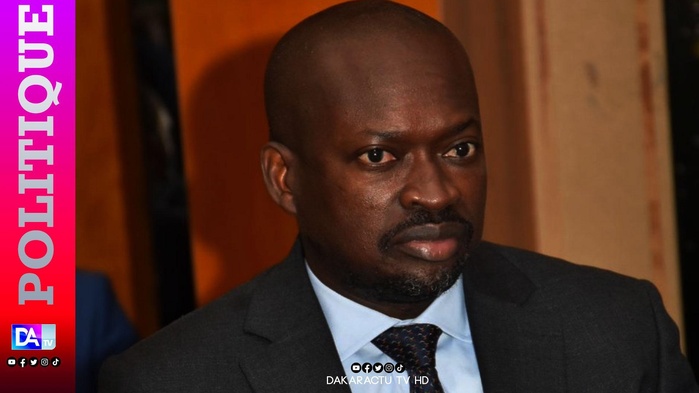
- Mamadou Thiaw, a leader of Kiiraay mayors, urged parliamentarians to protect social gains and essential public investments.
- The rejection jeopardizes the continuity of funding for critical social programs, including family security grants, which were set to expand to 469,497 households by 2026 with a 70 billion FCFA budget.
- Key public projects in health, education, water supply, and territorial accessibility, such as the Bakel hospital and the Grand Transfert d’Eau, face potential funding disruptions.
- Mamadou Thiaw called for deputies to explain their vote's consequences and propose solutions to finance national priorities, preventing institutional blockage from harming citizens.
Legislative Rejection and Immediate Concerns
The rejection of the Loi de finances rectificative Sénégal has raised significant questions about the sustained funding for vital national initiatives.
The Senegalese parliament recently rejected the Rectifying Finance Law (LFR), a decision that has swiftly drawn attention to its potential ramifications for the nation's social programs and public investments. Mamadou Thiaw, who serves as the Deputy General Supervisor for the mayors affiliated with the Kiiraay party, has publicly appealed to parliamentary representatives. He emphasized that vulnerable households should not bear the brunt of political disagreements, urging deputies to prioritize the protection of social achievements and critical infrastructure projects.
Following the legislative decision, Kiiraay party officials across various departments have actively engaged with their respective parliamentarians. Through formal communications, these local leaders have called upon the deputies to thoroughly consider the ramifications of their vote. Their primary message underscores the necessity of placing the concerns and well-being of the populace at the forefront of legislative considerations, particularly in light of the LFR's rejection.
Impact on Social Programs and Public Investments
The rejection of the Loi de finances rectificative Sénégal has raised significant questions about the sustained funding for vital national initiatives. Mamadou Thiaw specifically highlighted the potential disruption to social assistance programs, such as the family security grants. These grants were slated for a substantial expansion, with the number of beneficiary households projected to increase from 355,013 in 2024 to 469,497 by 2026, backed by an announced budget of 70 billion FCFA. The continuity of these crucial financial transfers is now uncertain.
Beyond social welfare, the LFR's rejection also casts a shadow over several key public investment projects. Critical sectors like health infrastructure, education, and the Grand Transfert d’Eau initiative face potential funding gaps. Furthermore, efforts aimed at improving territorial accessibility, or désenclavement, are also at risk. The departmental coordination of KIIRAAY–Bakel had previously voiced apprehension on October 25, 2026, specifically citing the potential jeopardy to the Bakel hospital project, which is distinct from the proposed second Saint-Louis hospital.
Calls for Legislative Solutions and Continuity
In response to the legislative impasse, Mamadou Thiaw, who also holds the position of mayor for Tassette, has urged deputies to not only explain the consequences of their decision but also to proactively propose viable solutions for financing national priorities. He stressed the importance of preventing the population from suffering adverse effects due to institutional gridlock. This includes safeguarding the continuity of social transfers, ensuring access to healthcare, maintaining educational provisions, and guaranteeing the supply of potable water.
Thiaw's appeal extends to advocating for parliamentary initiatives designed to mitigate the negative repercussions of the LFR's rejection. He underscored the imperative of protecting territorial investments and ensuring that essential services continue uninterrupted. The focus remains on finding legislative pathways to secure the funding necessary for these critical areas, thereby upholding the government's commitment to social development and infrastructure growth despite the current financial law setback.
Practical Implications
The rejection of the Rectifying Finance Law (LFR) in Senegal creates significant uncertainty regarding the funding and continuity of public sector projects and social programs. Lawyers should advise clients involved in public contracts, social welfare initiatives, or infrastructure development to monitor legislative developments closely and assess potential risks of funding disruptions or shifts in government priorities.
Source
How does this affect you?
Get an AI analysis of this article grounded in your jurisdictions, practice areas, and any policy documents you've uploaded to Wansom.
Finish Reading the Full Story and the Expert Analysis.
Wansom is AI and can make mistakes.