
Sénégal: LFR 2026 Rejet Commission, Plenary Session Postponed
Summary
- The Loi de finances rectificative (LFR) 2026 was rejected by the Commission des finances, leading to a postponement of its plenary examination.
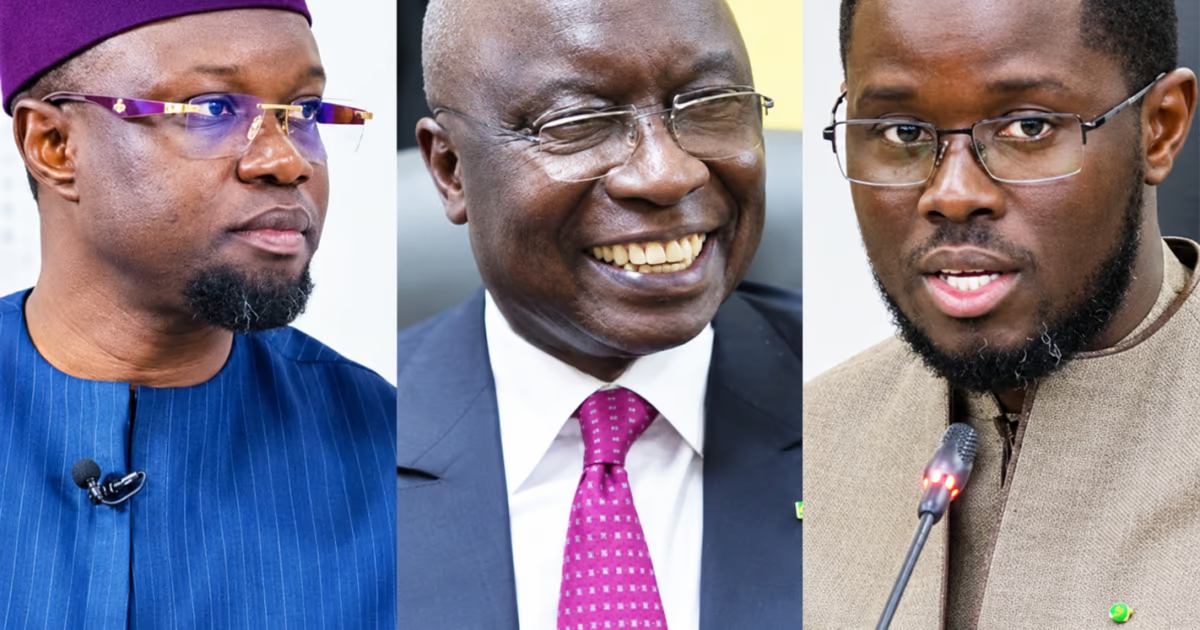
- This rejection highlights growing tensions between supporters of President Bassirou Diomaye Faye and Ousmane Sonko, who now serves as the President of the National Assembly.
- The creation of Kiiraay as a presidential party and Pastef's continued militant structure underscore the political divergences.
- Disagreements over economic priorities and public finance management are central to the budgetary debate.
- The opposition, particularly the FDR and Idrissa Seck, aims to capitalize on the ruling majority's internal divisions.
Legislative Impasse Over LFR 2026
The unexpected rejection and subsequent delay have brought to light underlying tensions within the ruling majority, which assumed power following the 2024 elections.
The legislative process for Senegal's Loi de finances rectificative (LFR) 2026 has encountered a significant hurdle, with the bill being rejected by the Commission des finances. This development has led to the postponement of its scheduled examination in a plenary session of the Assemblée nationale Sénégal LFR. The unexpected rejection and subsequent delay have brought to light underlying tensions within the ruling majority, which assumed power following the 2024 elections.
This procedural setback for the LFR 2026 is widely interpreted as a clear indicator of growing discord at the highest levels of government. The budget debate itself has become a focal point for disagreements concerning the nation's economic priorities, the management of public finances, and the implementation of key political commitments made by the new administration. The public display of legislative gridlock underscores a period of significant political re-evaluation in Senegal.
Political Divisions Emerge
At the heart of these legislative challenges are the escalating Diomaye Sonko tensions budgétaires, pitting supporters of President Bassirou Diomaye Faye against those aligned with Ousmane Sonko, who now serves as the President of the National Assembly. This internal crisis within the governing coalition, which came to power in 2024, has been further formalized by the establishment of Kiiraay, a new entity presented as the presidential party. This move provides a distinct political structure to the divergences that have surfaced within the movement that swept into office.
While Kiiraay seeks to establish the presidential camp's autonomy, Pastef, the party led by Ousmane Sonko, continues to maintain its established militant apparatus. An analysis by senenews suggests that the political landscape could evolve into three distinct poles: Pastef, Kiiraay, and the Front pour la défense de la République (FDR). This evolving dynamic highlights a significant shift from the unified front that characterized the recent electoral victory.
Budgetary Disagreements and Future Outlook
The ongoing debate surrounding the Sénégal LFR 2026 is not merely procedural; it reflects fundamental disagreements over the country's economic direction. These include differing views on how public finances should be managed and the most effective strategies for fulfilling the new government's political promises. Such deep-seated policy disputes have fueled speculation about the potential for a dissolution of the Assemblée nationale and the calling of new legislative elections.
While the prospect of dissolving the Assembly remains hypothetical, its realization would compel all political forces to articulate their stances more clearly and to gauge their capacity to mobilize the electorate. This scenario underscores the high stakes involved in resolving the current budgetary impasse and the broader political rifts. In December 2025, Thierno Alassane Sall, leader of République des Valeurs, characterized the rivalry between Bassirou Diomaye Faye and Ousmane Sonko as an "egoistic struggle for the conservation of power," a comment made in reference to earlier tensions at the state's apex, distinct from the current budgetary dispute.
Opposition's Strategic Maneuvers
Amidst the internal strife within the ruling majority, the opposition, particularly the Front pour la défense de la République (FDR), is actively seeking to leverage these divisions. Idrissa Seck, a former Prime Minister and president of Rewmi, is endeavoring to re-establish his prominence in the national political discourse by emphasizing his role in the opposition and his alignment with the FDR.
However, the FDR itself comprises various components, each possessing diverse trajectories, ambitions, and interests. This inherent diversity could present challenges to the successful formation and maintenance of a cohesive and lasting coalition. The current political climate, marked by the rejection of the Loi de finances rectificative 2026 Sénégal, offers a fertile ground for opposition maneuvering, yet also highlights the complexities of forging a unified alternative.
Practical Implications
The ongoing political tensions surrounding the LFR 2026 in Senegal signal potential legislative instability and shifts in economic priorities. Legal professionals should advise clients to closely monitor the budget's final approval and any subsequent policy changes, as these could impact business operations, tax obligations, and regulatory compliance.
Source
Source: Original reporting via senenews
How does this affect you?
Get an AI analysis of this article grounded in your jurisdictions, practice areas, and any policy documents you've uploaded to Wansom.
Finish Reading the Full Story and the Expert Analysis.
Wansom is AI and can make mistakes.