
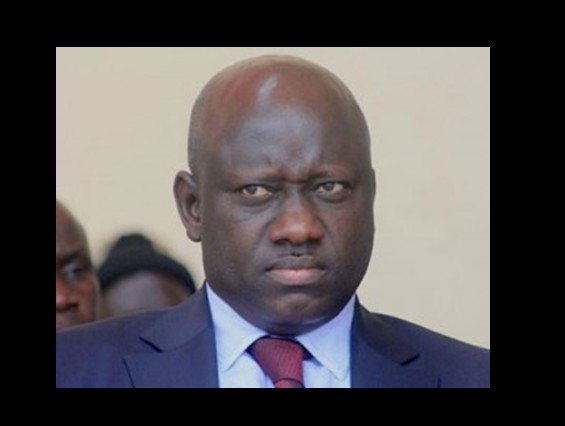
Yaya Abdoul Kane: Defends Legitimacy of Bail for Serigne Bassirou Guèye
Summary
- Former SOGEPA Director General Yaya Abdoul Kane defended the legality of a long-term lease granted to former Dakar prosecutor Serigne Bassirou Guèye.
- Kane initially stated two villas were granted but later clarified it was one renovated villa at Point E, assigned as official housing before a bail emphytéotique was issued.
- Evidence presented to a parliamentary commission, however, indicated two 99-year leases were attributed to Guèye under instructions from former President Macky Sall.
- Kane cited a 2013 decree authorizing SOGEPA's predecessor, AGPBE, to grant such leases and stated presidential approval was part of the procedure.
- The controversy highlights broader issues with Senegal's public patrimony inventory, which officially listed 192 buildings but field operations identified up to 2,200.
The Attribution in Question
The ongoing examination of the Point E dossier, therefore, extends beyond the specific attribution to scrutinize the general conditions of such grants and their public value as long-term commitments.
Yaya Abdoul Kane, who previously served as the Director General of SOGEPA, has publicly defended the legitimacy of a long-term lease granted to Serigne Bassirou Guèye, the former prosecutor of Dakar. This defense was presented during Kane's testimony before a parliamentary inquiry commission in Senegal. Initially, Kane's statements to the commission indicated the allocation of two villas to the magistrate.
However, Kane subsequently revised his account, clarifying that the allocation pertained to a single villa situated in the Point E district. He described this property as being in a severely degraded state when it was initially discovered. According to Kane, the building underwent necessary renovations before being designated as official housing for the magistrate. Following this, a bail emphytéotique was formally granted to Serigne Bassirou Guèye, a decision that Kane asserts received validation from the appropriate authorities.
Despite Kane's revised narrative, evidence presented to the deputies during the inquiry suggests that two villas were indeed attributed to Serigne Bassirou Guèye. These attributions, involving 99-year baux, were reportedly made under direct instruction from former President Macky Sall, specifically concerning the villas Point E Serigne Bassirou Guèye.
Legal and Procedural Defense
Yaya Abdoul Kane maintains that the intervention from the Presidency was a standard procedural step, given that presidential approval is a requisite for such leases. He further invoked a 2013 decree that specifically empowered the Agence de Gestion du Patrimoine Bâti de l'État (AGPBE), SOGEPA's predecessor, to grant these types of long-term leases, thereby asserting the légalité bail emphytéotique SOGEPA. Kane's testimony before the commission d'enquête parlementaire Sénégal aimed to clarify the process.
As reported by L'Observateur and Xibaaru, Yaya Abdoul Kane has since re-established communication with Serigne Bassirou Guèye, expressing his regrets regarding the public controversy. He advised the magistrate to avoid an emotional reaction, contending that Guèye is being unfairly targeted. Kane argues that numerous other high-ranking officials have benefited from similar attributions, suggesting a broader pattern rather than an isolated incident.
Wider Implications for Public Patrimony
The controversy surrounding the Yaya Abdoul Kane bail Serigne Bassirou Guèye case is situated within a larger context of long-standing deficiencies in the inventory and gestion patrimoine public Sénégal. Official records previously accounted for only 192 public buildings, a stark contrast to the approximately 2,000 to 2,200 properties identified through subsequent field operations. This significant discrepancy highlights systemic issues in the management of state assets.
Furthermore, the administration of these public properties has been burdened by substantial financial liabilities, including an estimated 35 billion FCFA in accumulated rent arrears owed to private landlords prior to 2019. Within this environment, long-term leases (baux emphytéotiques) for public properties in prominent areas like Cité Fayçal, Mermoz, and Fann have faced considerable scrutiny. Critics often cite the alleged absence of genuine financial compensation for the Treasury as a primary reason for contesting these arrangements. The ongoing examination of the Point E dossier, therefore, extends beyond the specific attribution to scrutinize the general conditions of such grants and their public value as long-term commitments.
Practical Implications
This development highlights the ongoing scrutiny and potential legal challenges surrounding long-term leases (baux emphytéotiques) of public property in Senegal, particularly those involving high-ranking officials and presidential directives. Lawyers should advise clients engaged in or considering such transactions to meticulously review the legality and transparency of the attribution process, ensuring compliance with public procurement laws and anticipating potential parliamentary or judicial review of public asset management practices.
Source
How does this affect you?
Get an AI analysis of this article grounded in your jurisdictions, practice areas, and any policy documents you've uploaded to Wansom.
Finish Reading the Full Story and the Expert Analysis.
Wansom is AI and can make mistakes.