
Babacar Sylla HRW Sénégal: Demands Repeal of Anti-Gay Law Before JOJ 2026
Summary
- Human Rights Watch has urged Senegal to release individuals detained for homosexuality-related acts and to revise its legislation.
- Ababacar Mboup, coordinator of And Samm Jikko Yi, asserts Senegal's sovereignty against these demands, citing broad national support for the current laws.
- Loi n° 05/2026 significantly increased penalties for consensual homosexual relations and criminalized the promotion or financing of LGBTQ+ identities.
- The UN High Commissioner for Human Rights, Volker Türk, has condemned the new legislation, while HRW also seeks investigations into potential police abuses.
- The dispute highlights tensions between international human rights advocacy and national legislative sovereignty ahead of the JOJ Dakar 2026.
International Scrutiny Ahead of JOJ Dakar 2026
The controversy extends beyond mere criminal prosecutions, encompassing concerns over defense rights, public liberties, and the broader implications of a legal framework that targets not only individuals in same-sex relationships but also those who offer them support or financial assistance.
Senegal is currently facing significant international pressure from Human Rights Watch (HRW) regarding its treatment of individuals prosecuted for homosexuality, particularly in the run-up to the Youth Olympic Games (JOJ Dakar 2026). The human rights organization has issued specific demands, including the release of those detained on homosexuality-related charges and a comprehensive revision of the country's legislation concerning these matters. HRW also seeks assurances that there will be no discrimination or arbitrary arrests during the upcoming international sporting event.
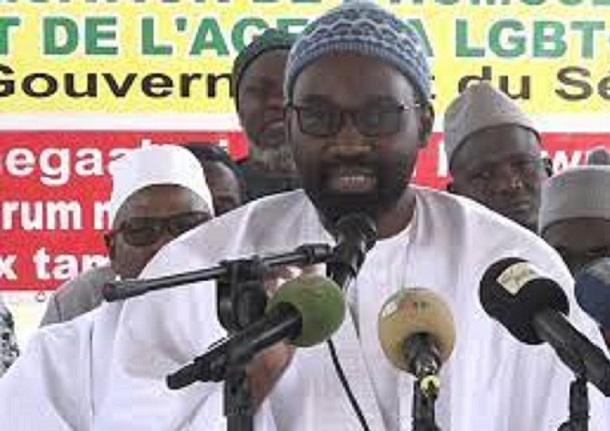
These demands have been met with strong opposition from And Samm Jikko Yi Sénégal, a local organization whose coordinator, Ababacar Mboup, has vocally defended Senegal's national sovereignty. Mboup characterizes HRW's requests as external dictates that undermine the nation's right to self-governance. He emphasizes that President Bassirou Diomaye Diakhar Faye was democratically elected and that national institutions must operate within their constitutional prerogatives, respecting the country's sovereign authority.
Strengthened Penalties and Legal Framework
At the heart of this controversy is Senegal's Loi n° 05/2026, which significantly amends article 319 of the Code pénal. This legislation has effectively doubled the penalties for consensual homosexual relations, making them punishable by imprisonment for five to ten years. Beyond direct engagement in same-sex relations, the law also introduces sanctions for the promotion, support, or financing of homosexuality, bisexuality, and transidentity, broadening the scope of criminal liability.
The United Nations High Commissioner for Human Rights, Volker Türk, has publicly condemned this new Sénégal législation homosexualité. In response, HRW is not only calling for the complete abrogation of Loi n° 05/2026 but also demanding investigations into any potential abuses by law enforcement officials during related legal proceedings. These calls underscore the deep concern among international bodies regarding the human rights implications of the revised legal framework.
Broader Human Rights Concerns and National Response
Human Rights Watch Sénégal homosexualité concerns extend beyond the direct criminalization, encompassing issues such as screening practices, the disclosure of private medical information, and the consideration of individuals' serological status in prosecutions. The organization also advocates for the protection of fundamental defense rights and public liberties, including freedoms of expression, association, assembly, and demonstration, which it believes are jeopardized by the current legal environment. The toughening of penalties and the expansion of sanctions to those who support or finance LGBT+ individuals give the controversy a far-reaching impact beyond mere criminal prosecutions.
Ababacar Mboup maintains that the Senegalese authorities should not capitulate to the demands of any external organization. He asserts that the contested legislation enjoys widespread support within the national representation and among significant segments of Senegalese society. And Samm Jikko Yi Sénégal has declared its intention to continue its advocacy through both legal avenues and citizen mobilization, reinforcing the national stance against international pressure concerning JOJ Dakar 2026 droits humains.
Practical Implications
Lawyers in Senegal must be aware of the strengthened penalties under Loi n° 05/2026 concerning homosexuality and related activities, as well as the ongoing international pressure from organizations like HRW, which could lead to further legal challenges or policy shifts impacting human rights and event compliance, particularly in the context of the upcoming JOJ Dakar 2026.
Source
Source: Original reporting via Lactuacho
How does this affect you?
Get an AI analysis of this article grounded in your jurisdictions, practice areas, and any policy documents you've uploaded to Wansom.
Finish Reading the Full Story and the Expert Analysis.
Wansom is AI and can make mistakes.