
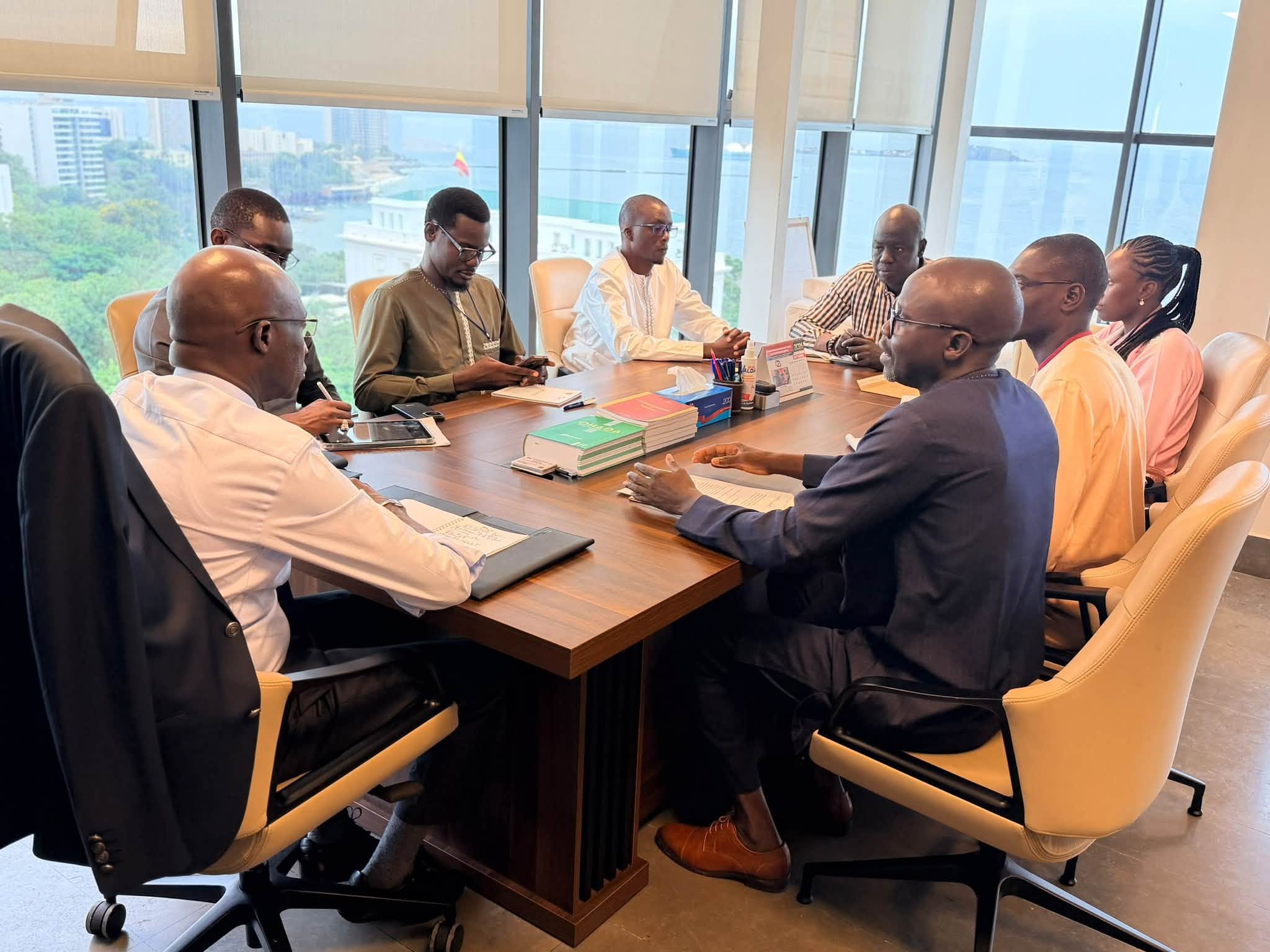
Sénégal Greffiers Me Moussa Sarr Meeting: Reclassement, Housing, Digitization
Summary
- Senegal's Minister of Justice, Me Moussa Sarr, met with a delegation from the Amicale des greffiers du Sénégal.
- The delegation, led by Me Ibrahima Sarr, discussed professional issues including reclassification, housing, and equipment shortages.
- A critical topic was the need for enhanced digitization within the Senegalese justice system.
- Court clerks also presented their cooperative and requested government support.
- These discussions highlight ongoing efforts to address operational challenges and modernize Senegal's judicial administration.
Ministerial Engagement with Court Clerks
For legal professionals and compliance officers operating within Senegal, these discussions signal potential shifts in court administration.
Senegal's Minister of Justice, Me Moussa Sarr, recently engaged in a significant `Sénégal greffiers Me Moussa Sarr meeting` with representatives of the nation's court clerks. A delegation from the Amicale des greffiers du Sénégal, the professional association for court clerks, was received by the Minister to discuss a range of pressing professional matters.
This crucial dialogue saw the delegation, led by Me Ibrahima Sarr, directly addressing the `Ministre Moussa Sarr greffiers` on issues central to their daily work and career progression. The discussions underscore the government's recognition of the vital role played by court clerks in the functioning of the judicial system.
The meeting highlights an ongoing commitment to fostering communication between the judicial administration and its essential support staff, aiming to address operational challenges and improve working conditions across the country's courts.
Core Demands and Operational Challenges
During the recent engagement, the `Amicale des greffiers Sénégal` presented a comprehensive list of challenges impacting their profession. A primary concern articulated by the `greffiers` involved their `reclassement`, referring to the re-evaluation and potential upgrading of their professional classifications. This issue is often tied to career progression and equitable compensation within the civil service.
Another significant point of discussion revolved around `logement` for court clerks, indicating a need for improved housing provisions or assistance programs to support these vital judicial personnel. Beyond personal welfare, the delegation also highlighted systemic operational deficiencies. They brought attention to the critical need for enhanced `numérisation justice Sénégal`, emphasizing the current lack of adequate equipment necessary for a modern and efficient judicial process. This points to broader infrastructure gaps that hinder the digital transformation of the courts.
Furthermore, the `greffiers` took the opportunity to introduce their cooperative to Minister Sarr, explicitly seeking governmental support for its initiatives. This demonstrates a proactive approach by the clerks to self-organize and improve their collective welfare and professional standing, requiring official backing to realize their goals.
Implications for Senegal's Judicial System
The issues raised by the `Amicale des greffiers Sénégal` during their `Sénégal greffiers Me Moussa Sarr meeting` with Minister Me Moussa Sarr carry substantial implications for the efficiency and modernization of the nation's judicial system. Addressing concerns such as `greffiers reclassement logement` and the provision of adequate equipment is fundamental to ensuring a motivated and well-supported workforce. The working conditions and professional development opportunities for court clerks directly influence their ability to perform their duties effectively, which in turn impacts case processing times and the overall administration of justice.
The emphasis on `numérisation justice Sénégal` is particularly salient in the contemporary legal landscape. A lack of digital tools and infrastructure can impede the streamlining of court procedures, document management, and access to legal information, potentially slowing down judicial processes and affecting transparency. Modernizing these aspects is crucial for a responsive and accessible justice system.
For legal professionals and compliance officers operating within Senegal, these discussions signal potential shifts in court administration. Any progress on these fronts could lead to improved operational efficiency, faster case resolution, and enhanced digital services within the courts. Monitoring these developments is crucial for anticipating changes that might affect legal practice and client interactions with the judicial system. The government's response to these demands will be a key indicator of its commitment to judicial reform and modernization.
Practical Implications
Lawyers and compliance officers in Senegal should monitor these discussions as they could signal upcoming changes in court administration, potentially impacting case processing times, access to digital services, and overall judicial efficiency.
Source
How does this affect you?
Get an AI analysis of this article grounded in your jurisdictions, practice areas, and any policy documents you've uploaded to Wansom.
Finish Reading the Full Story and the Expert Analysis.
Get the latest legal & regulatory intelligence in Senegal
Wansom is AI and can make mistakes.