
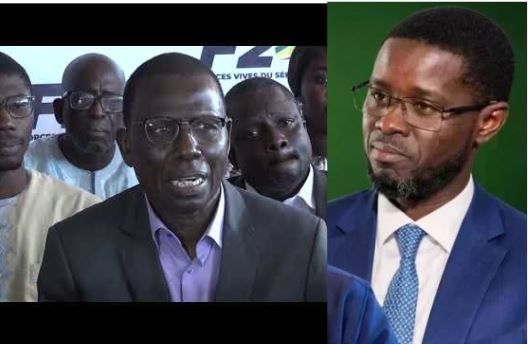
Sénégal: Bassirou Faye's LFR Décret Declared Unconstitutional
Summary
- President Bassirou Diomaye Diakhar Faye imposed a rejected Loi de Finances Rectificative (LFR) via presidential decree.
- Deputy Alioune Ndao, a former public prosecutor, declared the decree "illegal and unconstitutional."
- Ndao advised against challenging the presidential decision in the Supreme Court.
- He believes the head of state should solely bear the political and social consequences of his action.
- The situation raises significant questions about the executive's power to override parliamentary rejection in Senegal.
Presidential Decree Sparks Constitutional Debate
This development signals a significant constitutional challenge regarding the executive's power to impose legislation rejected by parliament.
A significant constitutional debate has erupted in Senegal following President Bassirou Diomaye Diakhar Faye's decision to impose a revised finance law (Loi de Finances Rectificative, or LFR) through a presidential decree. This move comes after the LFR had previously faced rejection, raising questions about the executive's power to bypass legislative approval. The decree has quickly become a focal point of political and legal contention across the nation.
The controversy centers on the perceived overreach of presidential authority in enacting legislation that had not secured parliamentary endorsement. This action by President Faye has drawn sharp criticism from various quarters, particularly from legal experts and opposition figures who view it as a departure from established constitutional norms. The imposition of the LFR via decree, despite its prior rejection, sets a precedent that many are scrutinizing closely for its implications on the balance of power within the Senegalese government.
Legal Challenge and Expert Opinion
Deputy Alioune Ndao, a former public prosecutor, has weighed in on the contentious presidential decree, unequivocally labeling it as both "illegal and unconstitutional." His assessment underscores the gravity of the situation, suggesting that the president's action directly contravenes fundamental legal principles governing the legislative process in Senegal. Ndao's background as a seasoned legal professional lends considerable weight to his critique, highlighting the serious constitutional questions now facing the administration.
Despite his strong condemnation of the decree's legality, Ndao has advised against pursuing recourse through the Supreme Court to challenge the presidential decision. He articulated a view that the head of state should be left to bear the political and social consequences of his actions alone. This stance suggests a strategic approach to accountability, emphasizing political repercussions over judicial intervention, and potentially leaving the decree's legal standing in a state of unresolved ambiguity.
Why It Matters
The imposition of the Loi de Finances Rectificative (LFR) by presidential decree, following its initial rejection, represents a critical moment for Senegal's constitutional framework. This development signals a significant constitutional challenge regarding the executive's power to impose legislation rejected by parliament. The direct override of the legislative process by presidential fiat raises concerns about the separation of powers and the integrity of democratic institutions.
The advice from a former prosecutor like Alioune Ndao not to seek judicial review further complicates the situation. His counsel that the president should face the political and social fallout independently means that the decree's legality might remain officially unchallenged in court, potentially creating heightened legal and political uncertainty around the validity of the LFR and any measures enacted under it. This scenario could have lasting implications for future legislative processes and the interpretation of presidential authority in Senegal.
Practical Implications
This development signals a significant constitutional challenge in Senegal regarding the executive's power to impose legislation rejected by parliament. Lawyers should advise clients on the heightened legal and political uncertainty surrounding the validity of the LFR and any measures enacted under it, particularly given the former prosecutor's advice against judicial recourse, which may leave the decree's legality unresolved.
Source
How does this affect you?
Get an AI analysis of this article grounded in your jurisdictions, practice areas, and any policy documents you've uploaded to Wansom.
Finish Reading the Full Story and the Expert Analysis.
Get the latest legal & regulatory intelligence in Senegal
Wansom is AI and can make mistakes.