
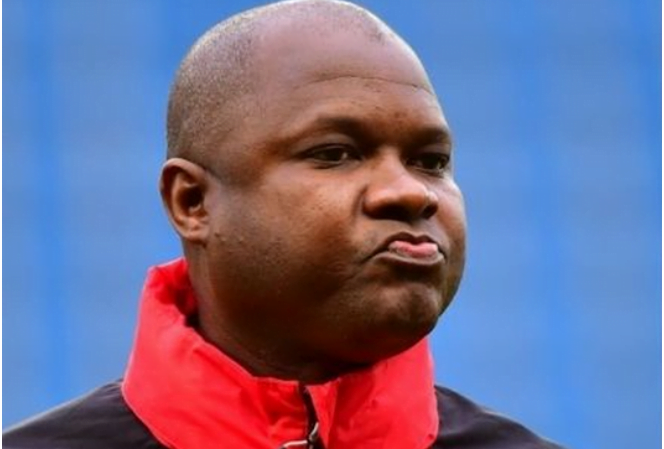
Guy Marius Sagna: Interpelle Government on Tony Sylva Salaire
Summary
- Deputy Guy Marius Sagna has formally questioned the government regarding the employment and salary status of former international goalkeeper Tony Sylva.
- Tony Sylva publicly stated he had not received a salary for six months and cited ambiguity in his contractual situation.
- Sagna's intervention highlights the potential for political figures to address contractual disputes involving high-profile individuals.
- The case brings attention to labor rights and contractual clarity, particularly within the context of the reformed Senegalese Labor Code (Code du Travail).
- This situation underscores the importance of government accountability in employment matters, especially for national figures.
Parliamentary Intervention on Salary Dispute
The intervention by Deputy Sagna, delivered through a written communication, underscores the seriousness with which this issue is being treated within political circles, particularly given the high profile of the individual involved.
Deputy Guy Marius Sagna has formally addressed the Senegalese government regarding the employment and remuneration status of Tony Sylva, a revered former international goalkeeper for the national team. This parliamentary action was prompted by public statements from Sylva himself, who revealed a significant period of six months during which he received no salary.
Sylva's declarations also highlighted a lack of clarity surrounding his contractual arrangements, indicating an ambiguous employment situation. The intervention by Deputy Sagna, delivered through a written communication, underscores the seriousness with which this issue is being treated within political circles, particularly given the high profile of the individual involved. The core of the matter revolves around the Guy Marius Sagna Tony Sylva salaire dispute, bringing a private contractual issue into the public and political domain.
The Athlete's Claims and Contractual Ambiguity
Tony Sylva, known for his distinguished career as a goalkeeper for the Senegalese national team, commonly referred to as the Lions, has publicly articulated his predicament of having been without pay for half a year. This claim of Tony Sylva salaire impayé has drawn considerable attention, not only due to his status as a national sports figure but also because it points to potential issues in contract management.
Beyond the non-payment of wages, Sylva also expressed concerns about the opaque nature of his contractual terms. This 'flou' or ambiguity regarding his situation contractuelle Tony Sylva suggests a lack of clear documentation or understanding between the parties involved, which can lead to significant legal and financial challenges for an employee. Such issues often fall under the purview of the reformed Senegalese Labor Code (Code du Travail), which governs employment relationships and worker protections.
Government Accountability and Public Scrutiny
The decision by Deputy Guy Marius Sagna to interpeller the government on this matter elevates what might otherwise be a private labor dispute into an issue of public accountability. By formally questioning the government, Sagna is effectively demanding transparency and resolution from state entities that may be directly or indirectly involved in Sylva's employment or oversight.
This type of political intervention highlights the potential for public figures to champion the rights of individuals, especially when those individuals are prominent national figures whose plights resonate with the wider populace. The act of Guy Marius Sagna interpelle gouvernement demonstrates a mechanism through which contractual grievances, particularly those involving high-profile individuals and potentially state-affiliated bodies, can be brought to the forefront for official review and resolution, influencing how lawyers might advise clients on dispute resolution strategies in Senegal.
Broader Implications for Labor Rights
The parliamentary inquiry into Tony Sylva's situation carries significant implications beyond the immediate resolution of his individual case. It serves as a powerful reminder of the importance of clear contractual agreements and timely salary payments, principles fundamental to the reformed Senegalese Labor Code (Code du Travail). When a national hero faces such challenges, it can draw attention to systemic issues that might affect other, less visible workers.
This public spotlight on the situation contractuelle Tony Sylva could encourage greater scrutiny of employment practices, particularly within sectors that interact with public funds or national representation. The intervention by Deputy Sagna underscores that even in high-stakes environments, adherence to labor laws and contractual obligations remains paramount, potentially setting a precedent for how similar disputes are addressed in the future.
Practical Implications
This case highlights the potential for public and political intervention in contractual disputes involving high-profile individuals and government entities in Senegal, which could influence how lawyers advise clients on contract enforcement and dispute resolution strategies, particularly when dealing with public sector bodies or politically sensitive matters.
Source
How does this affect you?
Get an AI analysis of this article grounded in your jurisdictions, practice areas, and any policy documents you've uploaded to Wansom.
Finish Reading the Full Story and the Expert Analysis.
Get the latest legal & regulatory intelligence in Senegal
Wansom is AI and can make mistakes.