
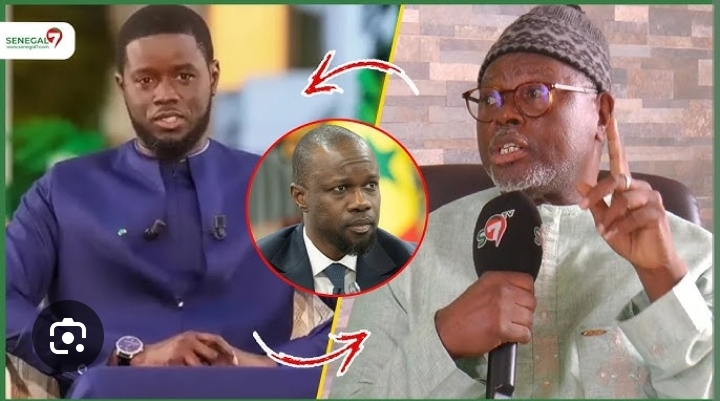
Alioune Tine: Sénégal Faces Budget Payment Default Risk Amid Political Impasse
Summary
- Alioune Tine warned of a potential payment default for Senegal due to political leaders' inability to agree on the budget vote.
- The founder of Afrikajom Center shared this concern on X on Monday, October 2.
- Tine attributed the political deadlock to "ego," electoralism, and partisanship among leaders.
- He urged political leaders to use Tuesday's plenary session to find compromises and vote on the budget.
- Tine contrasted the political impasse with the ongoing Youth Olympic Games being hosted by Senegal.
A Dire Warning for Senegal's Finances
His call emphasizes the necessity of achieving a consensual vote on the budget, a move he believes is crucial to navigate away from the impending financial precipice and safeguard the nation's fiscal health.
Alioune Tine, the esteemed founder of Afrikajom Center, recently issued a significant alert concerning a potential payment default for Senegal, a scenario he directly attributes to the ongoing inability of the nation's political leadership to reach a consensus on the critical budget vote. This serious warning, disseminated via a post on the social media platform X on Monday, October 2, underscores a growing concern that the current political stalemate could have severe repercussions for the country's economic stability and international standing. Tine's pronouncement highlights the precarious financial position Senegal could face if political divisions continue to obstruct essential governmental functions.
The core of Tine's message is a stark warning about the "Alioune Tine Sénégal défaut paiement budget" scenario, where the failure to approve the national budget could precipitate a sovereign default. This alert was not merely a statement of concern but also an urgent appeal for political figures to set aside their disagreements and prioritize national interests. His call emphasizes the necessity of achieving a consensual vote on the budget, a move he believes is crucial to navigate away from the impending financial precipice and safeguard the nation's fiscal health. The publication detailing this alert was subsequently relayed by Senegal7, amplifying its reach and impact across the country and bringing the potential "Sénégal risque défaut souverain" into sharper focus for the public.
Political Deadlock and Leadership Critique
Tine's critique extends beyond merely identifying the risk; he delves into the root causes of the political paralysis preventing the "vote budget Assemblée nationale Sénégal." He attributes the current deadlock to what he describes as "ego," electoralism, and partisan considerations among political actors, suggesting a profound lack of statesmanship. According to Tine, this self-serving approach is actively hindering the political leadership's capacity to forge a consensus that genuinely serves the national interest, thereby jeopardizing the country's future. This assessment highlights a profound failure in governance at a critical juncture for the country, where political maneuvering seems to overshadow collective responsibility.
In a poignant contrast, Tine juxtaposed this political "impasse politique budget Sénégal" with the ongoing Youth Olympic Games, which Senegal is currently hosting as the first African nation. He lauded the exceptional skill, innovative spirit, and unwavering commitment demonstrated by the Senegalese populace in organizing this international event, showcasing the nation's potential when united. However, he expressed deep regret that the same level of unity and effectiveness could not be found among the political leaders when addressing vital national financial matters, suggesting a troubling disconnect between the people's capabilities and their representatives' actions. This disparity, he implies, is a direct result of the leadership's inability to rise above factional interests.
Urgent Call for Consensus
To mitigate the escalating "Sénégal risque défaut souverain," Alioune Tine has specifically urged political leaders to leverage the upcoming Tuesday plenary session. This session, he contends, represents a crucial opportunity to rectify the precarious situation and prevent a full-blown financial crisis from materializing. His appeal is for these leaders to transcend partisan barriers and actively seek out compromises necessary for the budget's approval, emphasizing that the nation's stability hangs in the balance. The urgency of his message reflects the potential severity of a national payment default, which could have far-reaching consequences for Senegal's international standing, its economic development, and domestic stability.
Tine's intervention, through the Afrikajom Center, serves as a powerful reminder of the responsibilities incumbent upon political leadership, particularly when faced with such critical financial decisions. He stresses that overcoming the current political divisions is not merely a matter of political expediency but a fundamental requirement for protecting the nation's financial integrity and ensuring its continued progress. The call for a unified approach to the "Alioune Tine Sénégal défaut paiement budget" issue is a direct challenge to the political class to prioritize collective welfare over individual or party interests, ensuring the country avoids a significant economic setback and maintains its trajectory.
Practical Implications
Lawyers advising clients with financial exposure to the Senegalese government should monitor the political negotiations around the national budget closely, as a failure to reach consensus could lead to a sovereign default risk, impacting contract enforceability and investment stability.
Source
How does this affect you?
Get an AI analysis of this article grounded in your jurisdictions, practice areas, and any policy documents you've uploaded to Wansom.
Wansom is AI and can make mistakes.