
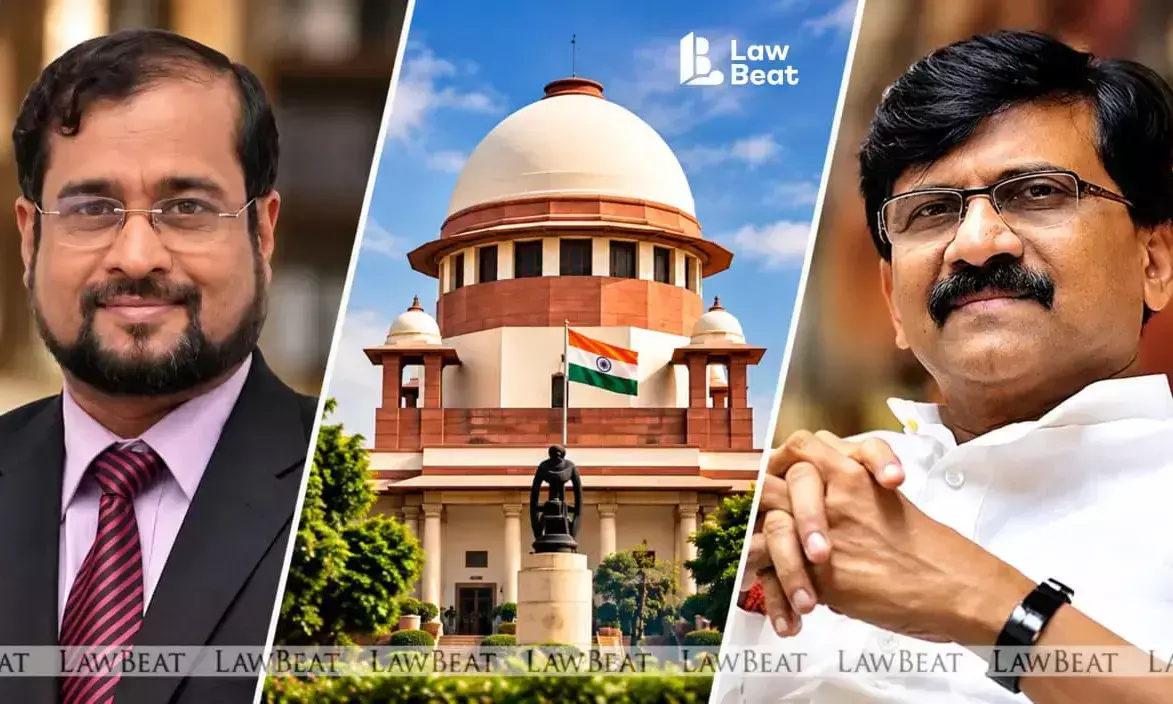
SCBA Contempt Case: Sanjay Raut, Wagle to File New Affidavits on CJI Surya Kant Posts
Summary
- The Supreme Court has ordered MP Sanjay Raut and journalist Nikhil Wagle to file additional affidavits by December 8 in a contempt case.
- The case stems from social media posts concerning Chief Justice of India Surya Kant, initiated by the Supreme Court Bar Association.
- The Court reminded Raut, a 25-year parliamentarian, about the importance of 'restraint in language'.
- Wagle's counsel argued for his discharge, citing a genuine apology and immediate post deletion.
- SCBA's counsel highlighted Raut's subsequent social media posts, calling him a 'habitual offender' and urging strict action.
Court Directs Additional Affidavits in Contempt Case
The Supreme Court directly addressed Sanjay Raut, acknowledging his extensive experience as a parliamentarian for a quarter-century and his background in journalism. The bench emphasized that, given his distinguished career, Raut "should know what restraint in language means."
The Supreme Court has mandated Shiv Sena (UBT) Member of Parliament Sanjay Raut and journalist Nikhil Wagle to submit further affidavits by December 8 in a criminal contempt petition initiated by the Supreme Court Bar Association (SCBA). The case revolves around social media posts that referenced Chief Justice of India Surya Kant. During the recent proceedings, a bench comprising Justices Aravind Kumar and Vipul M. Pancholi specifically reminded Raut, a seasoned parliamentarian of 25 years and former journalist, about the necessity of exercising restraint in public discourse.
Both Raut and Wagle were directed to appear physically at the next hearing, scheduled for December 8 at 2 PM. Raut attended the current session in person, while Wagle participated virtually, adhering to the directives issued during the previous hearing on October 28. The Court's insistence on additional affidavits underscores the seriousness with which it views public statements concerning the judiciary, particularly from prominent figures.
Arguments Presented by Legal Counsel
Representing Nikhil Wagle, Senior Advocate Indira Jaising informed the Court that her client had fully complied with the previous order for virtual presence. She highlighted that Wagle had already filed an affidavit expressing a sincere, unconditional apology for his social media post, which he had promptly deleted. Jaising further stated that Wagle had personally apologized to the concerned judge and to the Supreme Court, and was prepared to offer any necessary clarifications. Based on these actions, she urged the Court to discharge Wagle from the ongoing contempt proceedings.
Conversely, Senior Advocate Pradeep Rai, appearing for the SCBA, opposed Wagle's plea and brought to the Court's attention Raut's subsequent social media activity following the initial posts. Rai cited several posts by Raut, including allegations that the BJP had gained control over India's democratic institutions, judiciary, central investigating agencies, and the Election Commission. He also referenced a post asserting that the judiciary, a fundamental pillar of democracy, had faltered, and another concerning an incident in Albania, which was published even after the contempt notice had been issued. Rai contended that Raut's later conduct should be weighed when evaluating his apology, especially given his status as a Member of Parliament and a responsible public representative. He noted that Raut's affidavit did not address these subsequent posts, characterizing him as a "habitual offender." Rai also informed the Court about separate contempt proceedings against Raut pending before the Bombay High Court. He additionally pointed to an October 11 post referencing a planned visit by the Leader of Opposition to the Supreme Court and CJI Surya Kant's directive regarding an ED-related meeting request, urging the Court to scrutinize Raut's language given his public position and seeking permission to introduce further material.
Judiciary's Stance on Public Figures' Conduct
The Supreme Court directly addressed Sanjay Raut, acknowledging his extensive experience as a parliamentarian for a quarter-century and his background in journalism. The bench emphasized that, given his distinguished career, Raut "should know what restraint in language means." This direct admonition highlights the judiciary's expectation of decorum and responsibility from public figures, particularly when commenting on judicial matters. The Court then requested Raut to provide his explanation regarding the remarks.
This case underscores the Supreme Court's firm stance on criminal contempt, particularly when it involves public statements made by prominent individuals about the judiciary. The proceedings serve as a critical reminder to public representatives and media personalities about the imperative of exercising caution and maintaining respectful language in all public communications, even in the face of political disagreements. The Court's directive for additional affidavits and its pointed remarks signal a low tolerance for perceived disrespect or undermining of judicial authority, even when apologies are tendered.
Practical Implications
This case highlights the Supreme Court's stringent stance on criminal contempt, particularly concerning public statements by prominent figures about the judiciary. Lawyers advising clients, especially those in public office or media, must emphasize the critical importance of 'restraint in language' in all public communications to avoid severe legal repercussions, even when an apology has been tendered for initial transgressions.
Source
Source: Original reporting via Live Law
How does this affect you?
Get an AI analysis of this article grounded in your jurisdictions, practice areas, and any policy documents you've uploaded to Wansom.
Finish Reading the Full Story and the Expert Analysis.
Get the latest legal & regulatory intelligence in India
Wansom is AI and can make mistakes.