
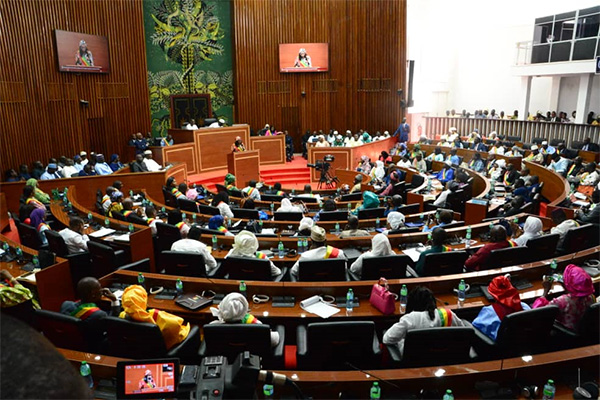
Sénégal: National Assembly Reviews Projet Loi 21/2026 Carte Identité
Summary
- Senegal's National Assembly was scheduled to examine bill n°21/2026 on Tuesday, September 29, 2026.
- This legislation aims to modify the legal framework governing the ECOWAS biometric identity card.
- The bill addresses the fact that the first biometric identity cards, issued in 2016, are now expiring.
- An adaptation of the existing system is deemed necessary due to these expiring documents.
Legislative Action Underway
The current legislative initiative is not merely a procedural update; it represents a vital adaptation of the national identification system to contemporary realities.
Deputies in Senegal's National Assembly are currently reviewing a significant piece of legislation. This legislative effort, known as the Sénégal projet loi 21/2026 carte identité, aims to revise the existing legal structure governing the ECOWAS biometric identity card. The examination of this crucial bill was scheduled for Tuesday, September 29, 2026, marking a key moment in the country's administrative and legal calendar.
The proposed changes are designed to update the regulatory environment surrounding these essential identification documents. This parliamentary session highlights the ongoing commitment to maintaining a modern and effective framework for national identification within the West African nation.
The specific focus on bill n°21/2026 indicates a targeted approach to address current challenges and future needs related to citizen identification, ensuring the continued functionality of a vital public service.
The Context of Expiring Identification Documents
The impetus behind the Sénégal projet loi 21/2026 carte identité stems directly from an impending administrative challenge of national scope. The initial batch of ECOWAS biometric identity cards, which were first distributed to citizens in 2016, is now universally reaching its expiration date.
This widespread expiry necessitates a comprehensive overhaul of the legal provisions that dictate the issuance, validity, and renewal processes for these critical identification tools. The original framework, established a decade prior, requires modification to accommodate the logistical and legal complexities of mass renewals.
Without such an adaptation, a significant portion of the populace could face issues related to official identification, potentially impacting their ability to access public services, conduct financial transactions, or participate in civic life. The legislative body is therefore acting proactively to prevent potential disruptions and ensure continuity in citizen identification.
Ensuring System Continuity and Regional Integration
The current legislative initiative is not merely a procedural update; it represents a vital adaptation of the national identification system to contemporary realities. As the first generation of biometric ECOWAS identity cards approaches the end of its validity period, the existing framework must evolve to accommodate the renewal process and any technological advancements or policy adjustments deemed necessary for efficient administration.
The examination of bill n°21/2026 by the deputies underscores the government's recognition of the paramount importance of maintaining a robust and functional identification system for its citizens. This includes ensuring that the process for obtaining and renewing these cards remains accessible and legally sound for all eligible individuals.
Ensuring that the legal framework remains current and effective is paramount for facilitating civic participation, access to essential services, and fostering regional integration within the Economic Community of West African States. This proactive measure aims to safeguard the integrity and utility of the national identity card system, reinforcing its role as a cornerstone of both national governance and regional cooperation for years to come.
Source
How does this affect you?
Get an AI analysis of this article grounded in your jurisdictions, practice areas, and any policy documents you've uploaded to Wansom.
Finish Reading the Full Story and the Expert Analysis.
Get the latest legal & regulatory intelligence in Senegal
Wansom is AI and can make mistakes.